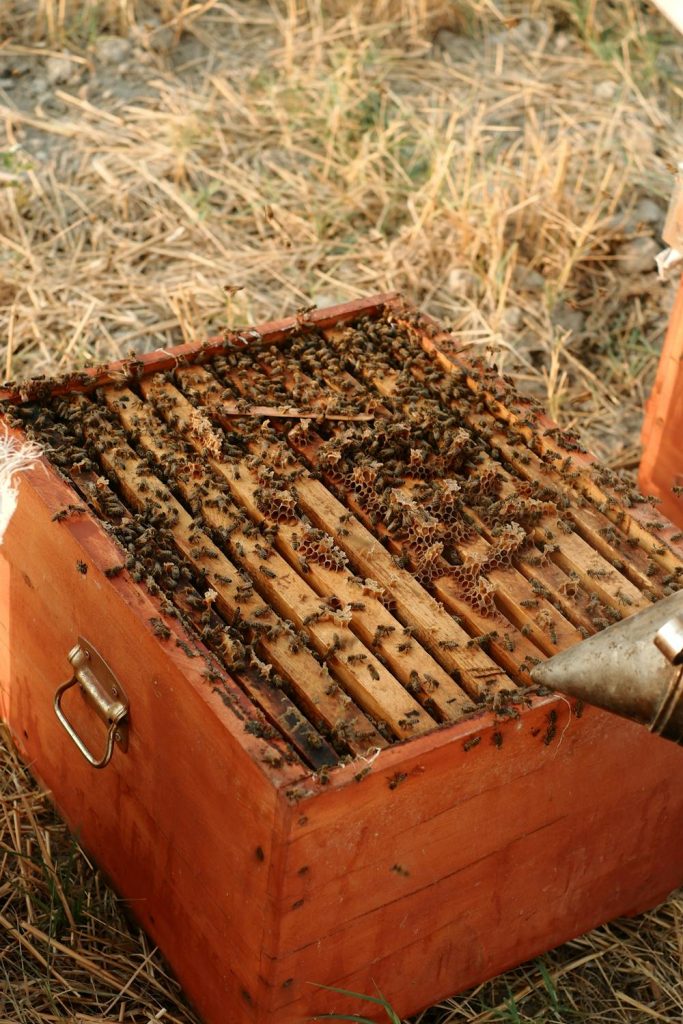
I’ve learned that understanding worker bees is the cornerstone of successful hive management. These industrious insects aren’t just honey producers—they’re the beating heart of your entire colony. Today, I want to share my insights on how proper worker bee management can transform your beekeeping experience.
I’ve seen firsthand how beekeepers who understand worker bee biology and behavior consistently maintain healthier, more productive hives. Whether you’re a novice beekeeper or have years of experience, mastering these principles will elevate your beekeeping practice and help your colonies thrive through every season.
Understanding Worker Bee Biology
The worker bee’s life begins as a tiny egg laid by the queen. After just three days, this egg hatches into a larva, which nurse bees feed royal jelly for the first few days, then switch to a diet of honey and pollen. Around day nine, the larva spins a cocoon and pupates. Approximately 21 days after the egg was laid, a fully formed adult worker bee emerges.
These females make up about 98% of the hive population, and while they can’t reproduce like the queen, they possess specialized anatomy that enables them to perform crucial tasks. Their bodies feature:
- Pollen baskets on their hind legs
- Wax glands on their abdomen
- A specialized honey stomach for nectar transport
- Hypopharyngeal glands for producing royal jelly
- A barbed stinger for colony defense
I’m constantly amazed by how perfectly designed worker bees are for their roles. Their wings can beat 230 times per second, allowing them to fly up to 15 miles per hour, and they have five eyes—three simple eyes detecting light intensity and two compound eyes with thousands of lenses for navigating their environment.
The average worker bee lives just 6-7 weeks during active seasons, though winter bees can survive 4-6 months. Factors affecting their lifespan include:
- Foraging intensity (more flying means faster wing deterioration)
- Disease presence
- Pesticide exposure
- Nutritional quality
- Weather conditions
- Genetic factors
Understanding this biology provides the foundation for everything else we do as beekeepers. When I inspect my hives, I’m not just looking at bees—I’m monitoring a complex biological system where each worker’s health impacts the entire colony.
See More: Inside the Hive: What Do Worker Bees Actually Do?
Worker Bee Behavior and Hive Dynamics
One of the most fascinating aspects of worker bees is their age-based division of labor. As they mature, they progress through specific roles:
- Days 1-3: Cleaning cells and warming brood
- Days 3-11: Nursing larvae and feeding older bees
- Days 12-17: Producing wax, building comb, and handling incoming food
- Days 18-21: Guard duty at the hive entrance
- Days 22+: Foraging for nectar, pollen, water, and propolis
This progression isn’t rigid—workers can adapt their roles based on colony needs. I’ve observed young bees foraging early during pollen shortages and older bees reverting to nursing duties when nurse bee populations dwindle.
Worker bee communication is another marvel. The waggle dance, discovered by Karl von Frisch, allows foragers to share precise information about food sources. By watching the dance’s direction, duration, and intensity, other workers learn exactly where to find resources.
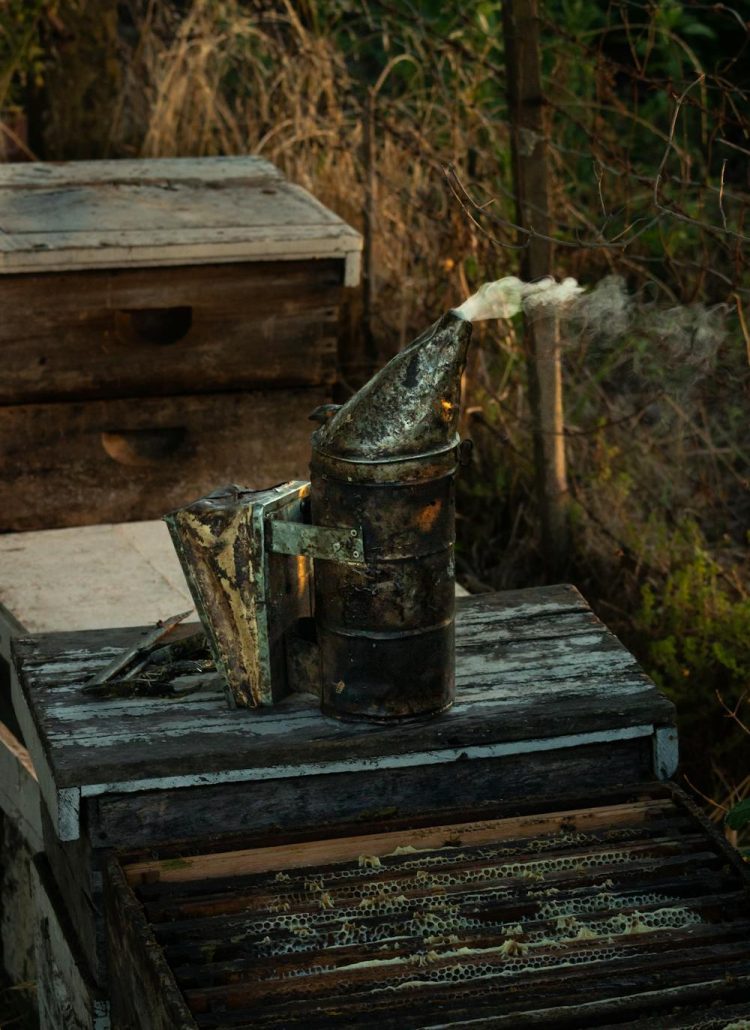
They also communicate through pheromones, chemical signals that coordinate colony activities. These invisible messengers trigger behaviors from alarm responses to queen cell construction. When I use a smoker during hive inspections, I’m actually disrupting alarm pheromones to keep the colony calm.
Seasonal behavior patterns strongly influence worker activities:
- Spring: Rapid brood rearing and foraging intensifies
- Summer: Peak foraging and honey production
- Fall: Preparation for winter, propolis collection increases
- Winter: Cluster formation for temperature regulation
Speaking of temperature, worker bees maintain the brood nest at a precise 94-95°F (34-35°C). They cool the hive by fanning their wings and spreading water droplets in hot weather, and warm it by clustering and “shivering” their flight muscles in cold conditions. I’ve opened hives on frosty mornings to find the interior perfectly warm despite freezing temperatures outside—a testament to their remarkable temperature regulation abilities.
Defensive behavior is another crucial aspect of worker bee function. Guards at the entrance inspect incoming bees, detecting colony membership through scent. When threats appear, they release alarm pheromones and may sacrifice themselves to protect the colony. Understanding these defensive triggers helps me minimize disruption during hive management.
Essential Hive Management Practices
Effective inspection schedules are vital for monitoring worker bee health without causing undue stress. During active seasons, I inspect my hives every 7-10 days. This interval allows me to monitor brood patterns, food stores, and potential issues while avoiding excessive disruption.
When inspecting, I look for these signs of a healthy worker population:
- Steady, compact brood pattern
- Multiple age groups present (from newly emerged to foragers)
- Active food processing (nectar being dehydrated, pollen stored)
- Normal defensive response (alert but not overly aggressive)
- Efficient cleaning behavior (no debris on bottom board)
- Proper ratio of bees to space (busy but not overcrowded)
Problems with worker bee activity often manifest as:
- Sluggish movement
- Excessive numbers of dead bees near the entrance
- Irregular brood pattern
- Insufficient food storage
- Unusual behaviors like crawling or trembling
- Improper hive temperature
I find that seasonal management is particularly important for maintaining optimal worker bee populations. In spring, I gradually expand the brood nest by adding frames and supers, ensuring workers have adequate space without becoming overwhelmed. Summer management focuses on preventing overcrowding and providing sufficient super space for honey storage.
Fall preparation includes reducing entrance sizes to help workers defend against robbing, and ensuring adequate winter stores (about 60-80 pounds of honey in my northern climate). Winter management means minimal disturbance while monitoring food accessibility and providing emergency feeding when necessary.
During nectar dearth periods, I support my workers by:
- Providing sugar syrup (1:1 in spring, 2:1 in fall)
- Maintaining clean water sources nearby
- Installing entrance reducers to prevent robbing
- Avoiding unnecessary inspections that deplete food stores
- Considering pollen substitute when natural pollen is scarce
I’ve found these practices significantly reduce colony stress during challenging periods, allowing workers to maintain core functions rather than struggling for survival.

Common Worker Bee Challenges and Solutions
Disease recognition and prevention remain among the most important aspects of worker bee management. I regularly screen for common ailments like:
American Foulbrood (AFB): This bacterial disease affects larvae, causing them to turn brown and emit a foul odor. I check suspect cells with the “rope test”—inserting a toothpick into a dead larva and slowly withdrawing it. If the larval remains stretch like caramel, I immediately call my state apiary inspector, as this disease requires professional intervention and often hive destruction.
European Foulbrood (EFB): Another bacterial infection that affects larvae before they’re capped. Unlike AFB, larvae with EFB often appear twisted or discolored while still alive. I’ve successfully treated mild cases by requeening and reducing stress factors.
Chalkbrood: This fungal disease causes larvae to harden into chalk-like mummies. I’ve found that improving ventilation and requeening with hygienic stock often resolves the issue without chemical interventions.
Nosema: This microsporidian affects adult workers’ digestive systems, causing dysentery and shortened lifespans. I prevent it by ensuring good ventilation, providing quality food sources, and occasionally treating with fumagillin when necessary.
Pest management is equally important. Varroa mites remain the most significant threat to honey bee health worldwide. These parasites weaken workers by feeding on their hemolymph (bee blood) and transmitting viruses. I monitor mite levels monthly using sugar rolls or alcohol washes, maintaining levels below 2-3 mites per 100 bees.
My integrated pest management approach includes:
- Cultural controls (drone brood removal, brood breaks)
- Mechanical controls (screened bottom boards)
- Biological controls (hygienic queen genetics)
- Chemical controls (organic acids, essential oils, or synthetic miticides when necessary)
Small hive beetles and wax moths also threaten worker bee populations. I manage these by maintaining strong colonies, using beetle traps, and ensuring proper hive ventilation to discourage wax moth infestations.
Supporting aging worker populations becomes particularly important in late summer and fall. As workers age, their productivity declines, so I ensure adequate young bees are present for winter cluster formation by:
- Monitoring queen performance
- Requeening colonies with failing queens by mid-summer
- Combining weak colonies in fall
- Providing supplemental feeding when necessary to stimulate brood rearing
Environmental stressors like pesticide exposure, extreme weather, and poor forage availability can dramatically impact worker bee health. I mitigate these by:
- Positioning hives away from agricultural areas with heavy pesticide use
- Providing windbreaks and proper hive orientation
- Planting diverse pollen and nectar sources near my apiary
- Supplementing food during environmental challenges
By addressing these challenges proactively, I’ve maintained healthy worker populations through drought, unusually cold springs, and other adverse conditions.
Advanced Management Techniques
After mastering the basics, I began implementing advanced techniques to optimize worker bee productivity. One approach I’ve found particularly effective is strategic queen management to encourage specific worker behaviors.
For instance, queens from Italian stock tend to produce workers that build up quickly in spring and maintain larger populations, while Carniolan-derived queens produce workers that conserve resources better during dearth periods. By selecting appropriate genetics, I can influence the behavioral tendencies of the entire worker force.
When performing split hives for expansion or swarm prevention, I pay careful attention to worker bee distribution. A good rule of thumb is ensuring each split has at least 3-4 frames of brood with adhering bees, plus additional frames of adult workers. This provides enough nurse bees for brood care while ensuring adequate foragers for resource collection.
To boost worker bee productivity during honey flows, I implement these techniques:
- Checkerboarding: Alternating empty drawn comb with honey-filled frames in the supers encourages workers to move upward and fill honey stores more efficiently.
- Supering ahead: Adding supers before they’re needed prevents the “honey bound” condition that can reduce brood rearing and trigger swarming.
- Reversing brood boxes: In early spring, moving the bottom brood box (which may be empty as bees move upward during winter) to the top position gives the queen continuous space to lay.
Managing worker-to-drone ratios can also optimize hive performance. While drones consume resources without contributing to foraging or hive maintenance, they play crucial roles in colony temperature regulation and genetic diversity at the mating level. I typically allow one frame of drone comb per hive, which provides enough drones for these functions without excessive resource drain.
I’ve also developed the habit of using worker bee activity as a diagnostic tool. By observing behavior at the hive entrance, I can often identify issues before they become severe:
- Workers hovering in front of the hive rather than making direct flights may indicate orientation of new foragers or robbing attempts.
- Workers fanning at the entrance with abdomens raised might be ventilating the hive or releasing Nasonov pheromone to guide other workers home.
- Workers stumbling or crawling at the entrance could indicate pesticide exposure or disease.
- Reduced flight activity compared to other colonies might suggest queen problems or food shortages.
These observations often guide my decision to perform more thorough inspections, potentially catching problems weeks before they would be apparent during regular hive checks.
See More: Beginner’s Guide: How to Start a Beehive in Your Backyard
Conclusion: Worker Bees and Hive Management
Worker bees are not just components of a honey-producing system but remarkable creatures whose complex behaviors form the foundation of successful hive management. By understanding their biology, behavior, and needs throughout the seasons, we can work with their natural tendencies rather than against them.
The principles I’ve outlined here—from basic biology to advanced management techniques—have consistently helped me maintain stronger colonies with better honey production and lower winter losses. But perhaps most importantly, they’ve deepened my appreciation for these extraordinary insects.
Effective beekeeping requires constant observation and adaptation. No two colonies are identical, and conditions change from year to year. The most successful beekeepers I know share a common trait: they observe their bees carefully and respond to what they see rather than blindly following a calendar or checklist.
I encourage you to continue learning through resources like:
- Your local beekeeping association
- Scientific journals such as Bee Culture and American Bee Journal
- University extension publications
- Hands-on workshops and mentoring programs
Remember that working with bees is both a science and an art. The science gives us frameworks for understanding, but the art comes from experience and careful observation.
What worker bee management techniques have you found most effective in your apiary? I’d love to hear about your experiences and questions in the comments below.


Leave a Reply