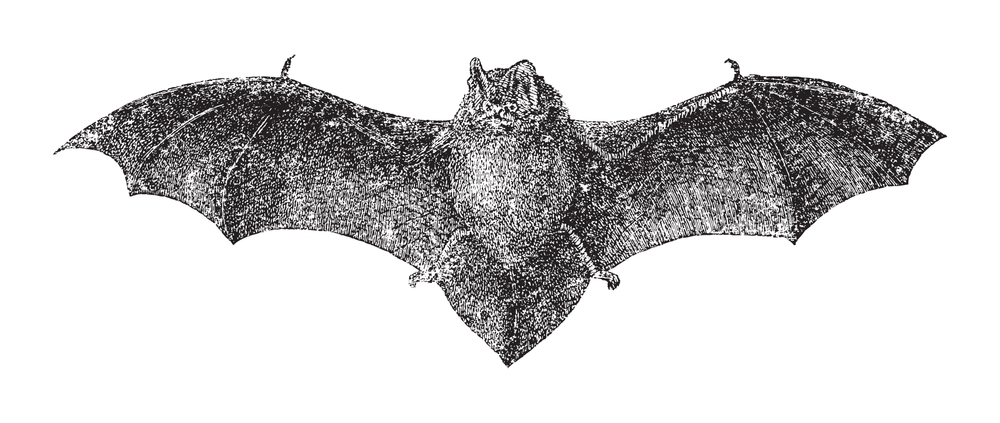
I don’t know about you but when I think of vital pollinators and ecosystem guardians, my mind automatically leaps straight to bees and butterflies. But there’s another, less visible hero working quietly while we sleep: bats. Discover the vital role bats play in the New Forest. From pest control to pollination, these hidden night-time helpers are essential to nature.
Here in the New Forest we have 14 species of bats, secretly mopping up lots of bugs for us in the night. Bechstein’s bat Myotis bechsteinii and barbastelle bat Barbastella barbastellus are two of the rarest bats in Europe and they are found in The New Forest. You can find pictures, including the rarest bats on the New Forest Councils website here.
We often fear bats because of old myths or simply because they flit about silently in the dark. Yet, the truth is that bats are all around us, playing an essential role in the natural world — and most of the time, we are completely oblivious to their presence.
Just as bees buzz about our gardens by day, bats take over the night shift. Their work is mostly hidden from view, but the impact is immense.
Why Bats Matter in Nature
- Natural Pest Control
One of the most remarkable contributions bats make is in controlling insect populations. A single bat can eat thousands of midges, mosquitoes, and moths in one night. This not only protects crops from pests but also makes our evenings in the garden more pleasant. - Pollination and Seed Dispersal
While we don’t see pollinating bats here in the UK, around the world many plants — including bananas, mangos, and even tequila’s agave plant — depend on bats for pollination. In tropical ecosystems, bats also disperse seeds that regenerate forests. - Indicators of a Healthy Environment
Because bats are sensitive to changes in habitat and food availability, their presence (or absence) is a signal of the health of our ecosystems. Where bats thrive, nature is usually in balance.
Why Are We Afraid of Bats?
Despite their importance, bats are often misunderstood. Stories of vampires, dark caves, and creatures swooping too close have built an image that is far removed from reality. In truth, bats are shy, gentle creatures who avoid human contact.
We don’t often see them, and we rarely hear them either — their echolocation operates at frequencies beyond human hearing. Their work is invisible, but without it, our natural world would suffer.
Bats in the New Forest
Here in the New Forest, bats are everywhere — though you might not realise it. With ancient woodland, heathland, and wetlands, the area provides the perfect habitat. In fact, over 13 species of bat have been recorded in the New Forest, from the tiny pipistrelle (weighing just 5 grams) to the rare Bechstein’s bat.
On summer evenings, if you pause by a hedgerow, river, or woodland edge, you may glimpse them darting and flickering against the twilight sky. They’re part of the same natural web that our bees belong to — quietly supporting balance, biodiversity, and abundance.
Hidden Work: A Lesson from Bats
Just as bats are hidden workers of the night, so too are many of our own thoughts and beliefs hidden beneath the surface of our awareness. These invisible forces — much like bats — are always there, shaping our lives and experiences whether we notice them or not.
If you’d like to explore this idea further, you can read my companion article:
👉 Visible vs Hidden Work that Shapes our Lives: Bees by Day, Bats by Night
Final Thoughts
Bats may seem mysterious or even frightening, but in truth, they are essential allies in the natural world. They pollinate, they control pests, and they quietly remind us that some of the most important work is often unseen.
So next time you step outside at dusk in the New Forest, pause for a moment. Look up. You might just catch sight of one of these hidden helpers — the bats at work.


Leave a Reply