I’ve developed a special relationship with honey that extends well beyond the apiary and into my kitchen. One dish that truly showcases the magic of quality honey is Honey Garlic Chicken – a perfect balance of sweet and savory that, when made properly, can outshine any restaurant version. Today, I’m sharing my comprehensive guide to creating this beloved dish at home, with insights that only someone intimately familiar with honey production can provide.
How to Select Perfect Honey for Cooking
Honey varies dramatically depending on the flowers your bees visit. These differences aren’t just marketing – they significantly impact your cooking.
When preparing Honey Garlic Chicken, I recommend considering these honey varieties:
- Clover Honey: With its mild, approachable sweetness, clover honey works wonderfully for those who want the classic honey garlic flavor without overpowering complexity. It’s my go-to when cooking for guests who might not be honey connoisseurs.
- Wildflower Honey: This variety offers more complexity and floral notes that develop beautifully when heated. The slightly stronger flavor stands up well to the garlic and creates a more nuanced sauce.
- Buckwheat Honey: For the adventurous, this darker, more robust honey brings an almost molasses-like quality to the dish. It’s particularly excellent for cold-weather versions where you want added warmth and depth.
- Orange Blossom Honey: The subtle citrus undertones in this variety add a brightness that complements the chicken beautifully, creating a more complex flavor profile without additional ingredients.
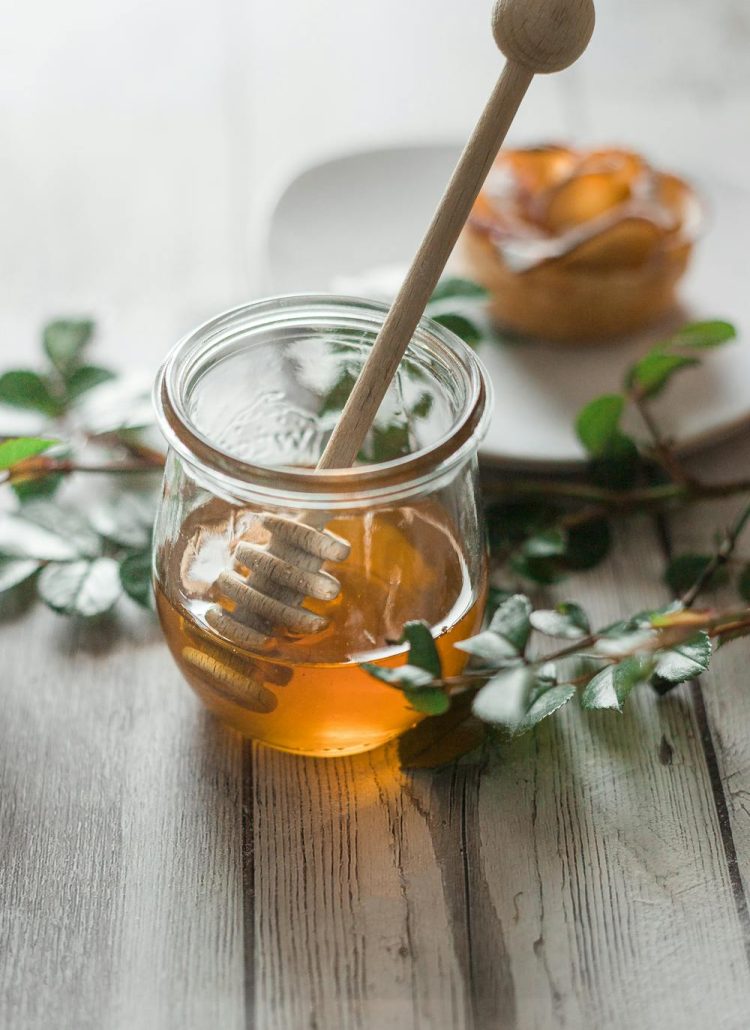
When selecting honey for cooking, I always recommend raw, unfiltered honey. Why? The heating process in mass-produced honey removes many of the subtle flavor compounds and enzymes that make honey special. Raw honey contains all the natural elements that bees worked so hard to create, resulting in more complex flavors in your finished dish.
How to Test Your Honey Quality
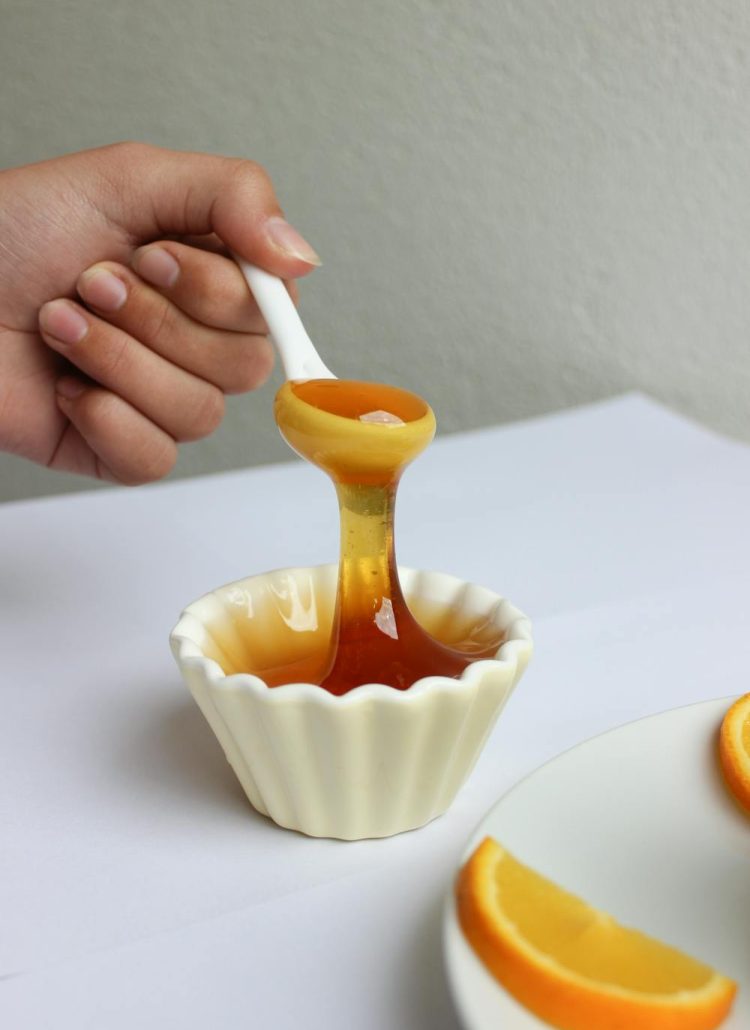
Here’s an insider tip: Quality honey should have a certain viscosity and mouthfeel. Place a small amount on your finger and press against your thumb. Good honey will form a strand as you separate your fingers, showing its natural thickness. This characteristic helps create the perfect sauce consistency in our chicken dish.
How to Select Chicken
While honey quality matters immensely, your choice of chicken is equally important. After countless preparations, I’ve found that chicken thighs consistently outperform breasts in this recipe. Here’s why:
- Higher fat content prevents the meat from drying out during the caramelization process
- More flavor naturally complements the sweet-savory sauce
- More forgiving cooking time means less chance of tough, overcooked meat
If you prefer white meat, chicken breasts will work, but you’ll need to be much more attentive to cooking times. I recommend butterflying thicker breasts to ensure even cooking.
Bone-in versus boneless is largely personal preference. Bone-in provides more flavor but requires longer cooking time. For weeknight meals, I typically opt for boneless thighs for their convenience and reliability.
Other Essential Ingredients for Honey Garlic Chicken
Beyond honey and chicken, several key ingredients contribute to the perfect Honey Garlic Chicken:
Garlic
For this dish, fresh garlic is non-negotiable. Pre-minced jarred varieties simply don’t provide the same aromatic compounds that make this dish sing.
I recommend using 6-8 cloves for 4 servings, which might seem excessive until you experience how the garlic mellows and sweetens during cooking. Slice some cloves thinly and mince others to create different texture and flavor experiences throughout the dish.
Pro tip: After peeling garlic, let it rest for 10-15 minutes before cooking. This activates allicin, the compound responsible for garlic’s health benefits and part of its complex flavor.
Supporting Ingredients That Make a Difference
- Soy Sauce: Provides the salt element and umami depth. I prefer low-sodium varieties to maintain better control over the final flavor.
- Apple Cider Vinegar: The acidity balances the sweetness of the honey. The natural apple notes complement honey beautifully.
- Ginger: Fresh ginger adds warmth and complexity that enhances both the honey and garlic notes.
- Red Pepper Flakes: Just a pinch creates dimension without overwhelming heat.
- Sesame Oil: A small amount adds remarkable depth to the finished sauce.
Essential Equipment
While this dish doesn’t require specialized tools, having the right equipment makes a significant difference:
- Heavy-bottomed skillet: Cast iron is ideal as it retains heat evenly and helps with caramelization
- Instant-read thermometer: Takes the guesswork out of chicken doneness
- Silicone brush: Perfect for basting the chicken with sauce during cooking
- Microplane: For finely grating garlic when you want it to fully incorporate into the sauce

Step-by-Step Honey Garlic Chicken
Let’s make the perfect Honey Garlic Chicken together.
Ingredients (Serves 4):
- 8 boneless, skinless chicken thighs (about 2 pounds)
- 1/2 cup raw, unfiltered honey (clover or wildflower recommended for beginners)
- 8 cloves garlic, divided (half thinly sliced, half minced)
- 3 tablespoons low-sodium soy sauce
- 2 tablespoons apple cider vinegar
- 1 tablespoon freshly grated ginger
- 1/2 teaspoon red pepper flakes (adjust to taste)
- 1 teaspoon sesame oil
- 2 tablespoons vegetable oil for cooking
- Salt and pepper to taste
- Sliced green onions and sesame seeds for garnish
Method:
1. Prepare the Chicken
I always start by bringing the chicken to room temperature, which ensures more even cooking. Pat the thighs dry with paper towels – this is crucial for achieving a good sear. Season with a light sprinkle of salt and pepper on both sides.
2. Create the Honey Garlic Sauce
In a bowl, combine the honey, minced garlic (reserving the sliced garlic for later), soy sauce, apple cider vinegar, grated ginger, red pepper flakes, and sesame oil. Whisk until well incorporated. The honey might make it seem thick at first, but persistent whisking will create a smooth consistency.
Beekeeper’s tip: If your honey has crystallized (a natural process that doesn’t indicate spoilage), warm it gently by placing the jar in warm water until it returns to liquid form. Never microwave raw honey as this destroys beneficial enzymes and flavor compounds.
3. The Perfect Sear
Heat your heavy-bottomed skillet over medium-high heat. Add the vegetable oil and allow it to get hot but not smoking. Carefully add the chicken thighs, presentation side down, without overcrowding the pan. Work in batches if necessary.
Allow the chicken to cook undisturbed for 4-5 minutes until a golden crust forms. This patience creates flavor through the Maillard reaction – the same process that gives bread its crust and coffee its complex notes.
Turn the chicken and cook for an additional 3-4 minutes on the second side.
4. Incorporate the Sliced Garlic
Lower the heat to medium and add the sliced garlic to the pan, stirring it around the chicken pieces. Cook for about 30 seconds until fragrant but not browned. Garlic becomes bitter when burned, so watch it carefully during this stage.
5. Add the Honey Garlic Sauce
Pour the prepared sauce over the chicken. It will bubble dramatically at first – this is perfect! Allow it to simmer and reduce, basting the chicken occasionally with the sauce using your silicone brush. This creates layers of flavor as the sauce reduces and concentrates.
6. Monitor for Doneness
Continue cooking until the chicken reaches an internal temperature of 165°F (74°C) and the sauce has thickened enough to coat the back of a spoon. This typically takes 7-10 additional minutes.
Important safety note: The high sugar content in honey means the sauce can go from perfectly caramelized to burned quite quickly. If you notice excessive darkening, lower the heat immediately and add a tablespoon of water to stop the process.
7. Rest and Garnish
Remove the pan from heat and allow the chicken to rest for 5 minutes. This redistributes the juices throughout the meat for maximum tenderness. Transfer to a serving plate and pour the thickened sauce over the chicken. Garnish with sliced green onions and a sprinkle of sesame seeds for texture and visual appeal.
Common Pitfalls and How to Avoid Them
Sauce Too Thin
If your sauce isn’t thickening properly, you can add a cornstarch slurry (1 teaspoon cornstarch mixed with 1 tablespoon cold water). However, I prefer to simply reduce the sauce longer for more concentrated flavor.
Burnt Garlic
The moment garlic turns from golden to brown, it becomes bitter. If this happens, it’s best to remove the affected pieces rather than trying to salvage them.
Undercooked Interior/Overcooked Exterior
This usually happens with thicker chicken pieces. If you notice the outside browning too quickly, lower the heat and consider covering the pan for a few minutes to gently cook the interior without further browning the outside.
Sauce Too Sweet
This can happen with particularly strong honey varieties. Balance the sweetness with an additional splash of apple cider vinegar or soy sauce.
Seasonal Variations
As someone who observes the changing seasons through my bees’ activities, I appreciate adapting recipes throughout the year. Here are my seasonal variations on Honey Garlic Chicken:
Spring Version
Add fresh herbs like thyme and lemon zest to brighten the dish. Pair with asparagus and young potatoes.
Summer Variation
Incorporate fresh peaches or nectarines into the sauce during the last few minutes of cooking for a seasonal twist that complements the honey beautifully.
Autumn Adaptation
Add a cinnamon stick and star anise to the simmering sauce (remove before serving). Use a darker buckwheat honey for deeper flavor that pairs wonderfully with fall vegetables.
Winter Comfort Version
Add a tablespoon of bourbon to the sauce and increase the red pepper flakes slightly for a warming dish that satisfies on cold evenings.

Conclusion: How to Make the Perfect Honey Garlic Chicken at Home
The beauty of Honey Garlic Chicken lies in its perfect balance. The natural sweetness of honey, enhanced by the complex transformation of garlic, creates a dish that satisfies deeply.
I hope you’ll try this recipe and experience for yourself how quality ingredients, treated with respect, create memorable meals. The relationship between bees, flowers, and the honey they produce is one of nature’s most remarkable collaborations. When we bring that collaboration into our kitchens, we become part of something truly special.
For your next family dinner or gathering with friends, consider this Honey Garlic Chicken. I promise it will create more than just a meal – it will create a memory.
Remember: The best honey for cooking comes from local beekeepers who can tell you exactly which flowers their bees visited. Supporting these small producers not only improves your dishes but helps sustain the pollinators we all depend on.
Happy cooking, and may your kitchen be as buzzing with activity as a healthy hive in springtime!


Leave a Reply