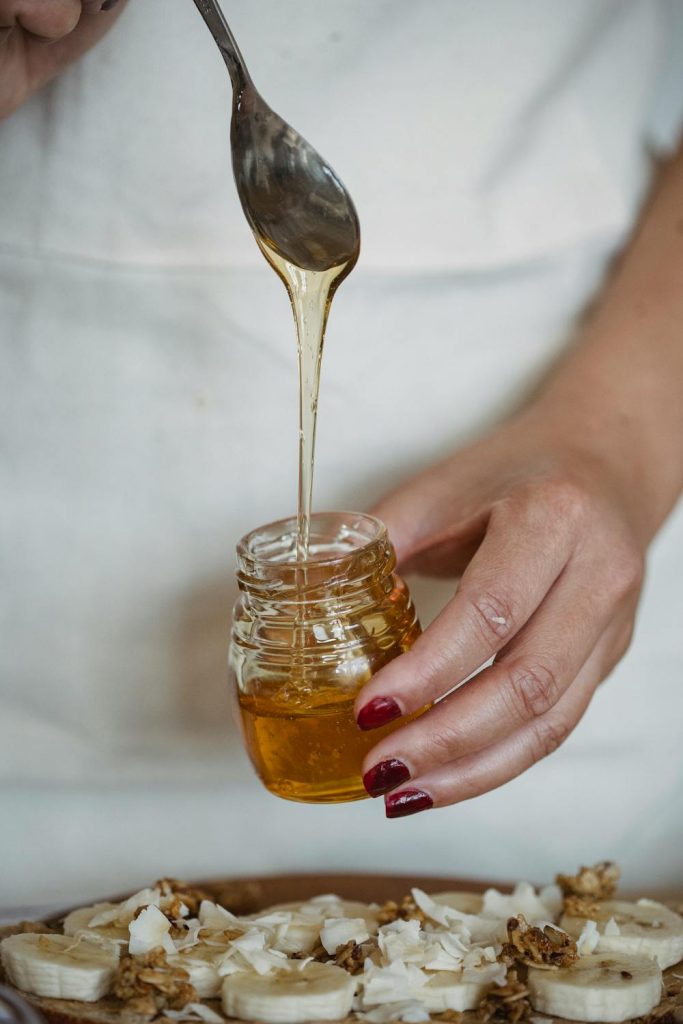
There’s nothing quite like that moment of pure delight when someone experiences the complex flavors of honey straight from the hive. But walk down any grocery store aisle, and you’ll find yourself confronted with dozens of honey options—some labeled “raw,” others “pure,” and many more with no special designation at all.
This abundance of choice has left many honey lovers confused about what they’re actually buying. What makes raw honey different from the processed varieties? Is one healthier than the other? And most importantly, which one should you choose for your kitchen and your health?
Today, I’m going to break down everything you need to know about raw and processed honey, drawing from my years of experience as both a beekeeper and honey enthusiast. By the end of this article, you’ll be equipped with the knowledge to make informed decisions about the honey you bring into your home.
What Is Raw Honey?
Raw honey is nature’s untouched gold—honey in its most natural state after being harvested from the hive. When I extract raw honey from my hives, I’m careful to preserve its natural integrity through minimal processing. The honey flows from the uncapped honeycomb, gets strained through a coarse filter to remove larger particles like beeswax and bee parts, and is then bottled. That’s it.
This gentle process preserves all the natural enzymes, pollen, propolis, antioxidants, and beneficial bacteria that make raw honey such a powerhouse of nutrition. The result is a product that varies in color and opacity depending on the flower sources visited by my bees. Some days they bring back light, almost translucent nectar, while other times it’s a rich amber or deep golden hue.
The texture of raw honey can range from smooth and flowing to thick and creamy. It will naturally crystallize over time—a process I’ll explain later that’s actually a sign of quality, not spoilage. The flavor profile is complex and dynamic, often reflecting the unique floral sources in your local area. I can often taste the difference between honey harvested from my hives near the lavender fields versus those placed near wildflower meadows.
What Is Processed Honey?
Commercial processed honey undergoes several additional steps beyond what happens in my honey house. After extraction, processed honey typically goes through:
- Pasteurization: Heating the honey to 160°F (71°C) or higher to kill yeast cells that could cause fermentation and to melt crystals for a longer liquid shelf life.
- Ultra-filtration: Passing the honey through fine filters that remove pollen, some beneficial enzymes, and other microscopic particles.
- Blending: Mixing different honey batches to achieve a consistent color and flavor profile.
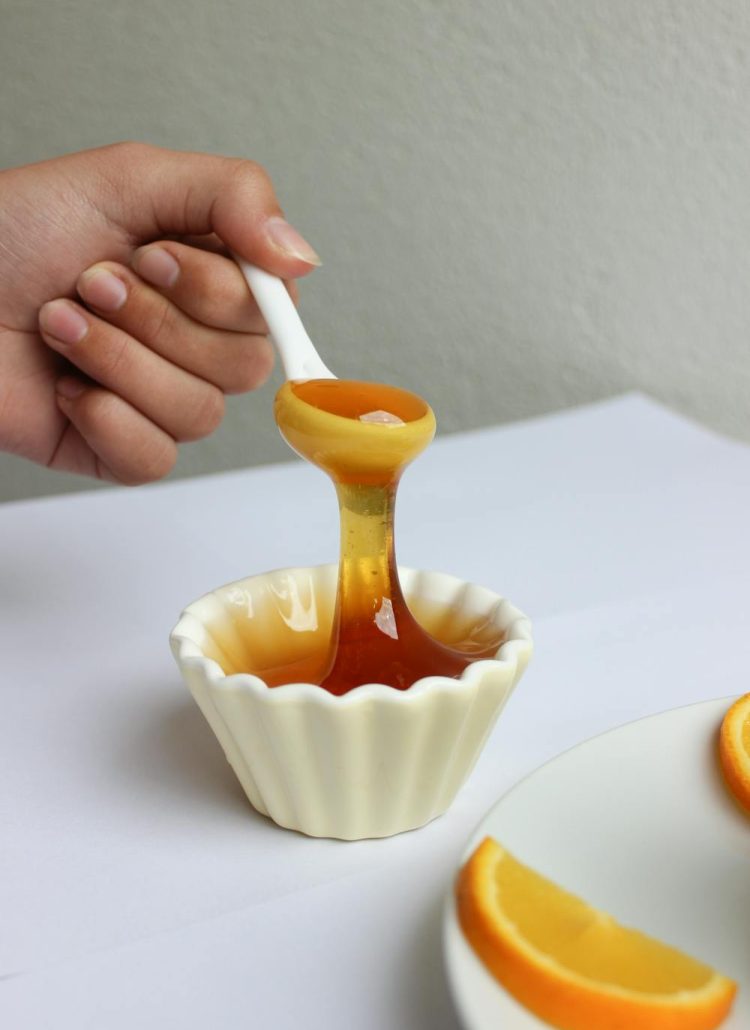
The resulting honey you see on supermarket shelves is often clear, golden, and uniform in appearance. It flows easily from the bottle and maintains this smooth consistency for long periods without crystallizing. The flavor tends to be one-dimensional—predominantly sweet without the complex notes that make raw honey so special.
Commercial producers have good reasons for these extra steps. Processed honey is more visually appealing to many consumers who mistakenly believe crystallization indicates spoilage. It also extends shelf life and reduces the likelihood of fermentation. For large retailers who need consistent products that can sit on shelves for months, these benefits make processed honey an attractive option.

Nutritional Comparison
Raw Honey’s Nutritional Profile
Raw honey is truly a living food. In each spoonful, you’ll find:
- Enzymes: Diastase, invertase, and glucose oxidase that aid digestion and have antimicrobial properties.
- Pollen: Contains amino acids, proteins, and various micronutrients.
- Antioxidants: Flavonoids and phenolic compounds that combat oxidative stress.
- Prebiotics: Support beneficial gut bacteria.
- Vitamins: Small amounts of B vitamins, vitamin C, and minerals like potassium, calcium, and magnesium.
- Propolis residues: Plant resins collected by bees with antimicrobial properties.
The exact nutritional composition varies based on floral sources, but the diversity of compounds is what makes raw honey special. When I extract spring honey from hives near fruit orchards, it contains different beneficial compounds than the late summer honey from forest and meadow flowers.
Processed Honey’s Nutritional Profile
The heating and filtration process significantly alters honey’s nutritional content:
- Pasteurization destroys temperature-sensitive enzymes
- Ultra-filtration removes most or all pollen
- The heating process reduces antioxidant levels
- Many of the beneficial bacteria are eliminated
What remains is primarily a mixture of glucose and fructose—still natural sugars, but without many of the complementary compounds that make raw honey unique. Processed honey still contains trace minerals and some antioxidants, but it’s essentially been transformed from a complex food into primarily a sweetener.
It’s worth noting that even processed honey has advantages over refined sugar. Its unique composition of fructose and glucose means it has a lower glycemic index than table sugar, causing a less dramatic spike in blood sugar levels. However, this benefit exists in both raw and processed varieties.
Health Benefits: Why Raw Honey is Better
Antimicrobial Properties
Raw honey contains hydrogen peroxide naturally produced by the glucose oxidase enzyme. This, combined with its low moisture content and acidic pH, creates an environment hostile to bacteria growth. I’ve seen raw honey used effectively for wound healing and as a natural preservative in some food products.
Processed honey loses some of these antimicrobial properties during pasteurization as the heat damages the glucose oxidase enzyme. While it’s still somewhat antimicrobial due to its sugar content and acidity, it doesn’t match the potency of raw honey.
Allergy Relief Potential
One of the most popular reasons people seek out my local raw honey is for seasonal allergy relief. The theory makes intuitive sense: raw honey contains small amounts of pollen from local plants. Consuming this honey may help your body gradually build tolerance to these allergens, similar to how allergy shots work.
While scientific studies show mixed results, I’ve had many customers report significant improvements in their seasonal allergy symptoms after regular consumption of local raw honey. Processed honey, having had most or all pollen filtered out, lacks this potential benefit entirely.
Antioxidant Content
The darker the honey, the higher its antioxidant content. Buckwheat honey, for example, is one of the darkest varieties I produce and contains significantly more antioxidants than lighter clover honey. These antioxidants help combat oxidative stress and inflammation in the body.
Heat processing reduces these beneficial compounds, with studies showing a direct correlation between processing temperature and antioxidant loss. This is why I always recommend raw honey when people are looking for maximum health benefits.
Digestive Health Support
The prebiotic compounds in raw honey nourish beneficial gut bacteria, potentially supporting digestive health. I’ve found a spoonful of raw honey mixed with warm (not hot) water makes a soothing remedy for minor digestive discomfort.
Additionally, many find raw honey easier to digest than processed sweeteners. Its natural enzyme content aids in breaking down other foods, which may be particularly beneficial for people with sensitive digestive systems.

Culinary Uses: Choosing the Right Honey for Every Occasion
Both raw and processed honey have their place in the kitchen, and I use them differently depending on what I’m preparing.
Raw Honey Shines In:
- Uncooked applications: Drizzled over yogurt, fruit, cheese plates, or toast
- Cold or warm beverages: Added to tea cooled to below 104°F (40°C), smoothies, or lemonades
- Salad dressings: Creates depth in vinaigrettes with its complex flavor profile
- Face masks and beauty treatments: Its enzymes and antimicrobial properties make it excellent for skincare
I love using specific varietal raw honeys to complement different foods. Orange blossom honey works beautifully with ricotta on toast, while robust buckwheat honey stands up to strong cheeses like blue or aged gouda.
Processed Honey Works Well For:
- Baking: Its consistent moisture content and behavior make it reliable for recipes
- Hot beverages: Since the beneficial enzymes are already lost in processing, the additional heat won’t make a difference
- Commercially prepared foods: When consistency batch-to-batch is crucial
- Smooth texture requirements: When you need honey to drizzle easily
The most important culinary consideration is flavor. Raw honey often has more complex taste notes that can enhance your culinary creations in unexpected ways. I’ve had chefs visit my apiary specifically to taste different seasonal raw honeys for their menus, treating them like fine wines with distinct terroir.
See More: How to Make the Perfect Honey Garlic Chicken at Home
How to Store Honey: Understanding Crystallization
One of the most common questions I receive at farmers’ markets is: “Why has my honey turned solid?” This crystallization process is completely natural and actually indicates quality honey rather than spoilage.
How Crystallization Works
All true honey will crystallize eventually. The process occurs when the glucose molecules in honey bind to microscopic particles like pollen or air bubbles, forming crystals. The higher the glucose content relative to fructose, the faster crystallization happens.
Different honey varieties crystallize at different rates. Acacia honey might stay liquid for years, while varieties like alfalfa or clover can begin crystallizing within weeks of extraction. The presence of natural pollen in raw honey actually provides more crystallization nuclei, often causing it to crystallize faster than processed honey.
Restoring Crystallized Honey
When customers bring me crystallized honey jars, I explain that crystallization is actually a sign of quality. I advise them to:
- Place the honey jar in warm (not hot) water around 95-100°F (35-38°C)
- Let it sit until the crystals dissolve, occasionally removing to stir
- Avoid microwave heating, which can create hot spots that damage the honey
- Never boil honey or heat it above 110°F (43°C) if you want to preserve raw qualities
Processed honey crystallizes more slowly due to the removal of crystallization nuclei during filtration and the disruption of crystal formation during heating. This extended liquid phase is precisely why commercial producers process it this way—consumers have unfortunately been conditioned to prefer liquid honey.
Shelf Life Considerations
Properly stored honey is remarkably stable. Archaeological digs have unearthed edible honey in ancient Egyptian tombs thousands of years old! While I don’t recommend waiting that long to enjoy your honey, both raw and processed varieties have impressive shelf lives:
- Raw honey: Indefinite shelf life when stored properly, though quality is best within 2-3 years
- Processed honey: Similar shelf life, though with fewer changes over time due to reduced enzyme activity
The key to proper storage is keeping honey in an airtight container away from moisture at room temperature or cooler. Avoid refrigeration, which accelerates crystallization. The ideal storage temperature is between 70-80°F (21-27°C).
How to Choose Quality Honey: Becoming a Savvy Consumer
With honey adulteration and misleading labeling unfortunately common in the marketplace, knowing how to identify quality products is essential. Here’s what I teach my beekeeping students and honey customers:
Understanding Honey Labels
Honey labels can be confusing, with terms like “pure,” “natural,” “raw,” and “organic” sometimes used inconsistently. Here’s what to look for:
- Raw: Should indicate minimal processing without high-temperature pasteurization, though this term isn’t strictly regulated
- Pure: Simply means no added ingredients, but says nothing about processing methods
- Local: Ideally indicates honey produced within 50-100 miles of where you live
- Organic: Difficult to certify in many regions as bees forage widely, but may indicate reduced chemical exposure
- Grade A: A USDA classification based on clarity and absence of defects, not nutritional value
The most reliable method is buying directly from beekeepers who can tell you exactly how their honey was harvested and processed. Farmers’ markets, local food co-ops, and some specialty stores are good sources.
The Price Consideration
Quality raw honey typically costs more than processed varieties, reflecting the additional labor, smaller production scale, and sustainable practices involved. In my region, expect to pay between $12-$20 for a pound of quality raw local honey, compared to $5-$8 for mass-produced processed honey.
While this price difference might seem significant, consider that honey is typically consumed in small amounts. A single pound might last months for the average household, making the actual cost difference minimal when spread over time.
Quality Tests You Can Do at Home
If you’re unsure about honey quality, try these simple tests:
- The Thumb Test: Place a drop on your thumb. Real honey stays in place rather than running off.
- The Water Test: Add a tablespoon of honey to water. Pure honey should sink and settle at the bottom rather than dissolving quickly.
- The Crystallization Test: Real honey will crystallize eventually. Honey that never crystallizes may have been ultra-filtered or adulterated.
- The Label Check: Ingredients should list only honey, nothing else.
Keep in mind these tests aren’t foolproof but can help identify obvious issues.
My Recommendations: Choosing Based on Your Needs
After 15 years of beekeeping and countless conversations with honey users, I’ve developed some guidelines for choosing between raw and processed honey:
Choose Raw Honey If:
- You’re seeking maximum nutritional and health benefits
- You appreciate complex, varied flavors
- You want to support local beekeepers and sustainable practices
- You’re using honey for skincare or wound care
- You’re interested in potential local allergy relief
- You primarily use honey in uncooked applications
Choose Processed Honey If:
- Consistent appearance and flavor are your priorities
- You’re primarily using honey in baking or cooking
- You’re particularly sensitive to pollen
- Budget is your main consideration
- You need honey that remains liquid longer
- You’re using honey mainly as a sweetener rather than for health benefits
Conclusion: Raw Honey vs. Processed Honey
The journey from flower to hive to honey jar is one of nature’s most remarkable processes. As bees transform nectar into honey, they create a substance that’s far more than just a sweetener—it’s a complex food with thousands of years of history as both nourishment and medicine.
Raw honey, with its preserved enzymes, pollen, and beneficial compounds, offers the fullest expression of what honey can be. It connects us directly to the flowers, the bees, and the specific place where it was produced. Each jar tells the story of a season, a landscape, and the remarkable relationship between bees and flowers.
Processed honey, while lacking some of these qualities, still offers a natural sweetener preferable to refined sugar in many applications. Its consistency and stability make it practical for certain uses, particularly in commercial food production.
My recommendation as both a beekeeper and honey lover? Keep both in your pantry if possible. Use raw honey when its complex flavors and health properties can shine, and reserve processed honey for cooking applications where heat would destroy those benefits anyway.
Above all, I encourage you to develop a relationship with honey beyond seeing it as just another condiment. Take time to taste different varieties, notice how they change with the seasons, and appreciate the incredible work of the bees that make it all possible. In our fast-paced world of mass-produced foods, honey remains one of our last links to an ancient food system where humans worked in partnership with nature.
Have you noticed differences between raw and processed honey in your own experience? I’d love to hear your thoughts and answer any questions in the comments below. And next time you’re spreading honey on toast or stirring it into tea, take a moment to appreciate the remarkable substance that connects us to bees, flowers, and the natural world.



Leave a Reply