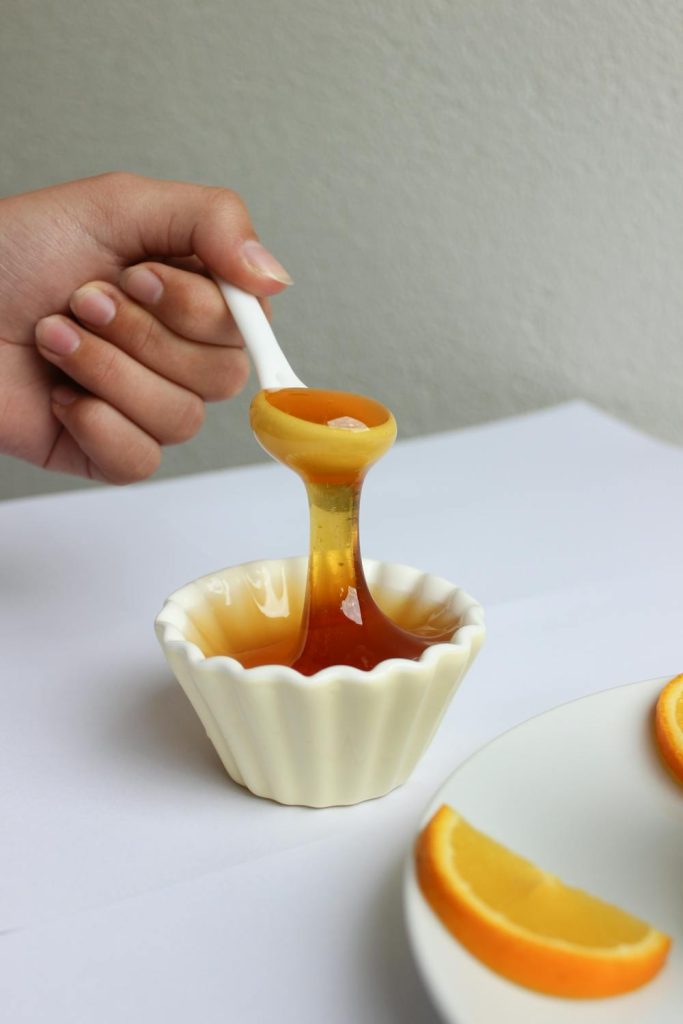
I’ve discovered countless ways to incorporate this liquid gold into my daily cooking routine, and today I’m excited to share some of my favorite honey-based sauces that can transform ordinary meals into extraordinary culinary experiences.
What makes these recipes special isn’t just their delicious flavor profiles, but how quickly they come together. In just minutes, you can create versatile sauces that elevate everything from salads to grilled meats, all while enjoying the natural benefits of honey.
Why Choose Honey for Your Sauces?
Before diving into the recipes, let’s talk about why honey makes such an excellent base for quick sauces:
- Natural Sweetness: Unlike refined sugars, honey contains a complex blend of sugars, giving it a more nuanced flavor profile.
- Health Benefits: Honey contains antioxidants and has antimicrobial properties that refined sugars lack.
- Texture: The viscosity of honey lends a wonderful thickness to sauces without needing additional thickeners.
- Flavor Variety: Different honey varieties (clover, wildflower, buckwheat, etc.) can dramatically change the flavor profile of your sauce.
Now, let’s get cooking with these five easy honey-based sauces that come together in minutes!
Classic Honey Mustard
There’s a reason honey mustard is a staple condiment. Its perfect balance of sweet honey and tangy mustard creates a harmonious flavor that complements a wide variety of foods.
Ingredients:
- 1/4 cup raw honey (I prefer clover honey for its mild flavor)
- 1/4 cup Dijon mustard
- 1 tablespoon yellow mustard
- 1 tablespoon apple cider vinegar
- Pinch of salt
- Optional: 1/8 teaspoon garlic powder
Preparation Method:
Simply whisk all ingredients together in a small bowl until smooth and well combined. That’s it! The entire process takes about two minutes.
Serving Suggestions:
This versatile sauce works beautifully as:
- A dipping sauce for chicken tenders, pretzels, or fresh vegetables
- A salad dressing (thin with a little olive oil if desired)
- A spread for sandwiches and wraps
- A glaze for baked chicken or salmon (apply during the last few minutes of cooking)
Storage Tips:
Store your honey mustard in an airtight container in the refrigerator for up to two weeks. If it thickens when chilled, let it sit at room temperature for a few minutes before using.
My Note:
I’ve found that using a lighter, milder honey works best for honey mustard. Save your stronger varietal honeys for applications where their unique flavors can really shine.
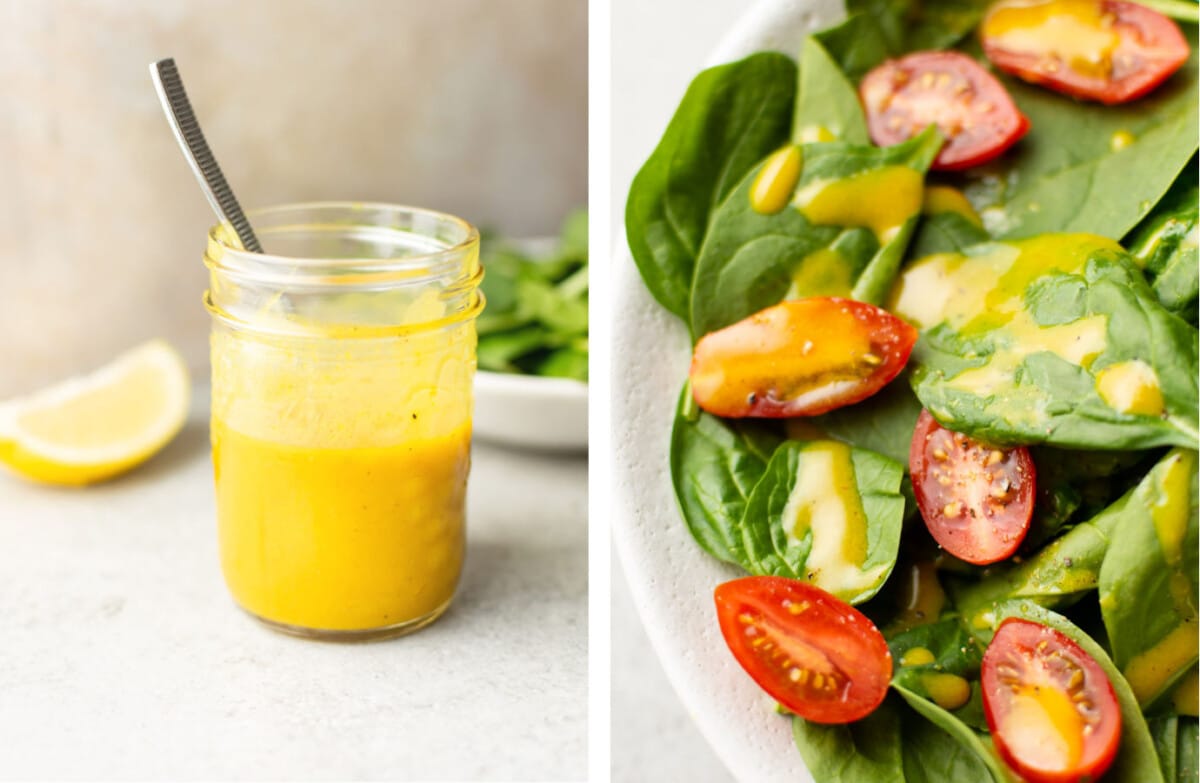
Spicy Honey Garlic Sauce
This sauce has quickly become one of my most-used kitchen staples. The combination of sweet honey, pungent garlic, and a kick of heat creates a crave-worthy flavor that’s perfect for countless applications.
Ingredients:
- 1/3 cup honey (amber varieties like wildflower work wonderfully)
- 3 cloves garlic, minced (or 1 tablespoon pre-minced)
- 2 tablespoons soy sauce (reduced-sodium preferred)
- 1 tablespoon rice vinegar
- 1-2 teaspoons sriracha or chili garlic sauce (adjust to your heat preference)
- 1/2 teaspoon freshly grated ginger (optional)
- 1 teaspoon sesame oil
Preparation Method:
- In a small bowl, combine all ingredients and whisk until thoroughly blended.
- For a smoother sauce, you can quickly pulse in a blender.
- For a warmer sauce or to mellow the raw garlic flavor, heat gently in a small saucepan for 1-2 minutes.
Perfect Pairings:
- Brush onto chicken wings before and after baking
- Toss with stir-fried vegetables
- Drizzle over rice bowls
- Use as a glaze for salmon or shrimp
- Marinate chicken or tofu (30 minutes is all you need)
Heat Level Variations:
The beauty of making your own sauce is controlling the heat level. For a milder version, reduce the sriracha to 1/2 teaspoon. For those who enjoy more heat, add a pinch of red pepper flakes or increase the sriracha to 1 tablespoon.
My Notes:
I’ve noticed that honey with a stronger flavor profile, like wildflower or meadow honey, stands up beautifully to the bold flavors of garlic and chili. The complexity of these honey varieties adds depth to the sauce that just can’t be achieved with standard commercial honey.

Honey Balsamic Glaze
This two-ingredient wonder creates an impressive sauce that tastes like it took hours to prepare. The rich, complex flavors of reduced balsamic vinegar pair perfectly with honey’s natural sweetness.
Ingredients:
- 1/2 cup balsamic vinegar
- 2-3 tablespoons honey (dark, robust varieties like buckwheat honey work exceptionally well)
- Optional: pinch of salt and freshly ground black pepper
Quick Reduction Technique:
- Combine the balsamic vinegar and honey in a small saucepan.
- Bring to a gentle simmer over medium heat.
- Reduce heat to medium-low and let simmer for 5-7 minutes, until the mixture has reduced by about one-third and coats the back of a spoon.
- Remove from heat and let cool slightly (it will continue to thicken as it cools).
Perfect Pairings:
- Drizzle over a cheese board with aged cheeses
- Finish grilled or roasted vegetables
- Glaze for grilled chicken or pork
- Drizzle over fresh berries and ice cream for a quick dessert
- Toss with roasted Brussels sprouts or root vegetables
Make-Ahead Options:
This glaze keeps beautifully in the refrigerator for up to two weeks. Store in a glass jar or squeeze bottle for easy use. Gently warm or bring to room temperature before using if it thickens too much when chilled.
My Notes:
As someone who harvests different honey varieties throughout the season, I’ve found that darker, more robust honeys truly shine in this application. Their caramel-like complexity complements the reduced balsamic perfectly. This is where buckwheat, avocado, or forest honey can really showcase their unique characteristics.
:max_bytes(150000):strip_icc()/AR-228418-balsamic-glaze-ddmfs-4x3-505d9e39d2564087a78dfb535662e526.jpg)
Honey Lime Drizzle
When summer arrives and my kitchen overflows with fresh produce, this bright, citrusy sauce becomes my go-to for adding a punch of flavor to lighter dishes.
Ingredients:
- 1/4 cup honey (citrus blossom honey is ideal, but any light variety works well)
- Zest and juice of 2 limes (about 3-4 tablespoons juice)
- 1 tablespoon olive oil
- 1/4 teaspoon salt
- 1 tablespoon fresh cilantro, finely chopped (optional)
- 1 small jalapeño, seeded and minced (optional for heat)
Mixing Instructions:
Whisk all ingredients together in a bowl until well combined. If using cilantro, add it just before serving for the freshest flavor.
Serving Ideas:
- Drizzle over grilled fish or shrimp
- Dress fruit salads for a tangy-sweet kick
- Use as a finishing sauce for fish tacos
- Toss with cucumber and watermelon salad
- Brush onto corn on the cob
Flavor Variations:
- Substitute lemon or orange for the lime
- Add a minced garlic clove for savory applications
- Include a splash of tequila for an adult version (the alcohol will remain)
- Swap cilantro for mint or basil for different flavor profiles
My Note:
My beehives placed near citrus groves produce honey with subtle floral notes that pair beautifully with this sauce. If you can find citrus blossom honey, it creates an amazing flavor harmony with the lime. Orange blossom honey also works wonderfully here.
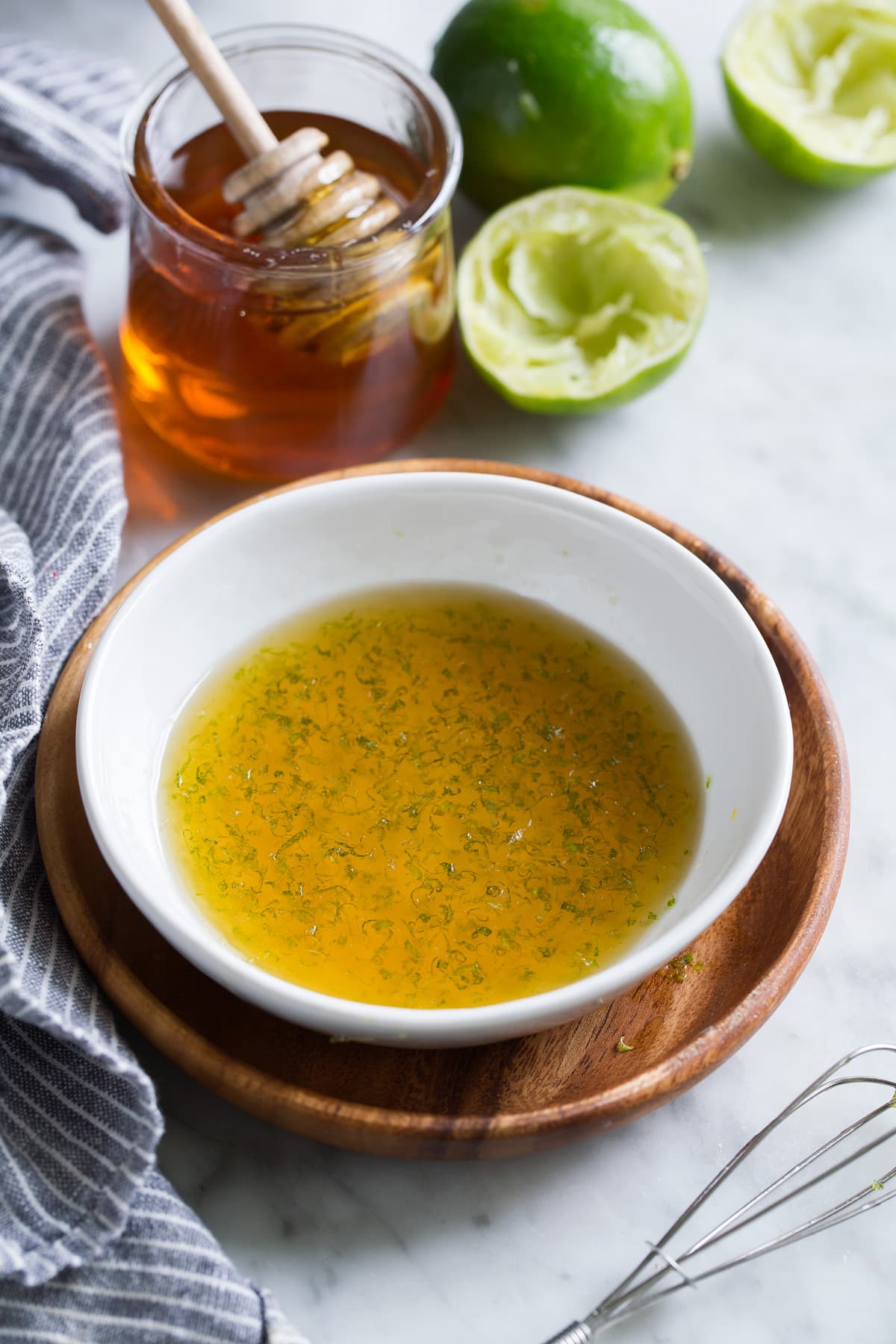
Creamy Honey Dressing
This creamy, luxurious dressing proves that indulgent-tasting sauces don’t need to be complicated or unhealthy. It’s become my secret weapon for elevating simple salads and grain bowls.
Ingredients:
- 3 tablespoons honey (alfalfa or clover honey works beautifully)
- 1/4 cup plain Greek yogurt
- 2 tablespoons mayonnaise (optional, can be replaced with more yogurt)
- 1 tablespoon Dijon mustard
- 1 tablespoon white wine vinegar or lemon juice
- 1/4 teaspoon salt
- 1/4 teaspoon freshly ground black pepper
- 1 tablespoon fresh herbs (dill, chives, or parsley work well)
Blending Method:
Whisk all ingredients except the fresh herbs in a bowl until smooth and well combined. Stir in the fresh herbs just before serving. For an extra-smooth consistency, blend in a small food processor or with an immersion blender.
Best Uses:
- Dress green salads, especially those with fruit and nuts
- Serve as a dipping sauce for fresh vegetables
- Drizzle over grain bowls
- Use as a spread for wraps and sandwiches
- Toss with roasted potato salad
Herb and Spice Additions:
This base recipe is wonderfully adaptable. Try these variations:
- Add 1/2 teaspoon curry powder for a curry honey dressing
- Mix in 1 teaspoon poppy seeds for a honey poppy seed dressing
- Incorporate 1/2 teaspoon dried dill and 1/2 teaspoon garlic powder for a honey ranch-style dressing
My Note:
When making creamy dressings, I prefer honey varieties that pour smoothly and have a clean, sweet flavor. Alfalfa, clover, and acacia honey are perfect choices. Their mild profiles allow the other ingredients to shine while providing that distinctive honey sweetness.
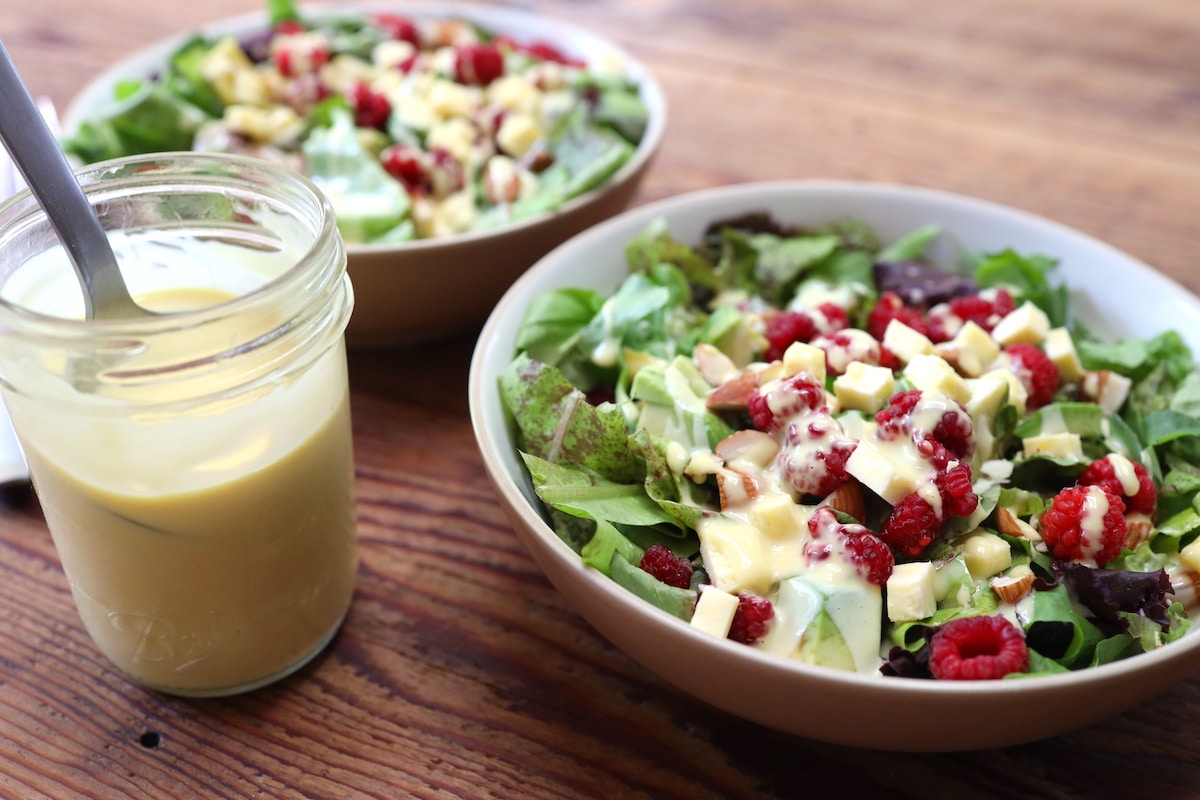
How to Choose Honey for Sauces
As a beekeeper, I’ve developed a deep appreciation for how different floral sources create unique honey varieties. Here’s my guide to selecting the right honey for your sauces:
Light, Mild Honeys (Clover, Acacia, Alfalfa)
- Best for: Delicate dressings, honey mustard, and dishes where you want subtle sweetness
- Flavor notes: Gentle floral tones, clean sweetness
- Works well with: Subtle herbs, citrus, cream-based sauces
Medium-Bodied Honeys (Wildflower, Orange Blossom, Raspberry)
- Best for: Everyday cooking, spicy honey sauces, marinades
- Flavor notes: Distinct floral character, moderate intensity
- Works well with: Most herbs and spices, garlic, ginger
Dark, Robust Honeys (Buckwheat, Forest, Avocado)
- Best for: Bold sauces, reductions, glazes
- Flavor notes: Molasses-like richness, sometimes with earthy or smoky qualities
- Works well with: Strong flavors like balsamic vinegar, soy sauce, strong spices
Raw vs. Pasteurized Honey
For sauces where honey is heated, either type works well. For raw applications like dressings, raw honey offers more nuanced flavors and retains its natural enzymes and beneficial properties.
Sauce Consistency Tips
One of honey’s greatest attributes in sauce-making is its natural thickness. Here’s how to adjust your sauce consistency perfectly:
To Thin a Sauce:
- Add a small amount of water, one teaspoon at a time
- Use a bit more acid (vinegar, lemon juice)
- For creamy sauces, a splash of milk or water works well
To Thicken a Sauce:
- Add a bit more honey
- For cooked sauces, simmer longer to reduce
- For creamy sauces, add more Greek yogurt or mayonnaise
Emulsification Tips:
When combining honey with oils (as in dressings), whisk vigorously or use a blender for a properly emulsified sauce that won’t separate.
Dietary Modifications
These sauces can easily be adapted for various dietary needs:
Vegan Options:
- Replace honey with maple syrup or agave nectar (though as a beekeeper, I personally believe ethically-sourced honey from small-scale beekeepers is a sustainable choice)
- For creamy dressings, use plant-based yogurt instead of Greek yogurt
Lower-Sugar Alternatives:
- Reduce honey amounts by starting with half the recommended amount
- Use a bit more acid (vinegar or citrus) to balance the reduced sweetness
Gluten-Free Considerations:
- Most of these sauces are naturally gluten-free, but always check individual ingredients like soy sauce (use tamari instead)
- Be cautious with prepared mustards, as some may contain gluten
Proper Storage and Shelf Life
To keep your homemade honey sauces fresh and delicious:
- Store all sauces in airtight containers in the refrigerator
- Most will keep for 1-2 weeks refrigerated
- Allow refrigerated sauces to come to room temperature before using, as honey can crystallize when cold
- If separation occurs, simply whisk or shake before using
Conclusion: 5 Easy Honey-Based Sauces You Can Make in Minutes
As both a beekeeper and cooking enthusiast, I’ve found that honey-based sauces offer an unmatched combination of flavor, nutrition, and convenience. Each jar of honey I harvest from my hives contains not just sweetness, but a unique fingerprint of the flowers, herbs, and trees in my local environment.
These five quick sauces are just the beginning of what’s possible with honey in your kitchen. I encourage you to experiment with different honey varieties and flavor combinations. Notice how a dark buckwheat honey transforms a balsamic glaze, or how the subtle notes of a spring wildflower honey enhance a light citrus dressing.
Remember that by choosing honey, you’re not just selecting a natural sweetener—you’re supporting pollinators that are essential to our food system. Whether you purchase honey from a local beekeeper or keep your own hives, that golden sweetness represents a connection to the natural world that refined sugars simply can’t match.
I’d love to hear about your own honey sauce creations! What variations have you tried? Do you have a favorite honey variety for specific applications? The wonderful world of honey-based cooking is best when shared, just like the collaborative effort of the bees that make it all possible.


Leave a Reply