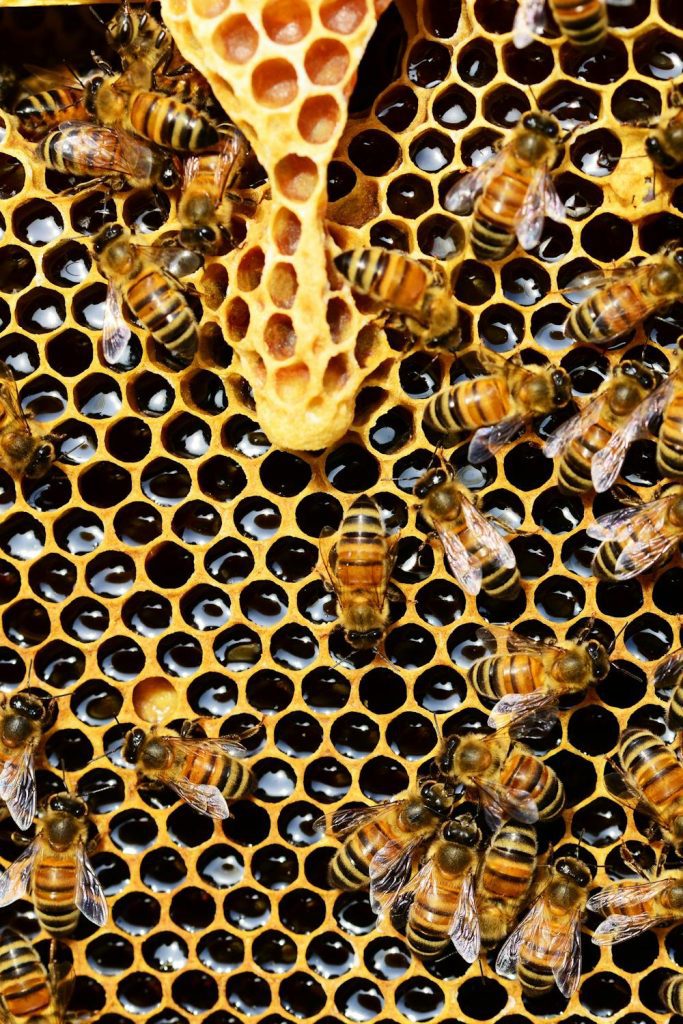
As a beekeeper, I’ve been working with honeybees and learning about the incredible products they create. Two of the most fascinating and beneficial substances from the hive are honey and propolis. While most people are familiar with honey, propolis often remains a mystery. Both have impressive health benefits, but they serve very different purposes in nature and for human wellness. In this article, I’ll break down the differences between honey and propolis, their unique properties, and how you can use them in your daily life.
What Is Honey?
Honey is one of nature’s sweetest and most cherished gifts. Bees produce it by collecting nectar from flowers and processing it in their hives. The result is a golden, viscous liquid packed with natural sugars, enzymes, and antioxidants.
Honey is primarily composed of fructose and glucose, making it an excellent natural energy source. It also contains vitamins, minerals, amino acids, and antioxidants like flavonoids and phenolic acids. These compounds contribute to honey’s health benefits and its ability to fight bacteria.
Not all honey is created equal. There’s raw honey, which is unprocessed and retains all its natural enzymes and nutrients, and processed honey, which often undergoes pasteurization and filtration. Additionally, honey can be classified based on the floral source—monofloral honey (from a single type of flower, such as Manuka or Acacia) and polyfloral honey (from various flowers, like wildflower honey). Each type has a distinct taste, texture, and set of health benefits.
Bees use honey as their primary food source, especially during the colder months when flowers are scarce. The high sugar content provides them with the energy needed to survive and maintain their colony. It also has natural antimicrobial properties that help keep the hive healthy.
See More: When & How to Harvest Honey for Maximum Yield and Quality
What Is Propolis?
While honey gets most of the attention, propolis is an equally powerful bee product that deserves recognition. Unlike honey, which comes from nectar, propolis is made from resins collected from tree buds and plant secretions. Bees mix these resins with enzymes and beeswax to create a sticky, dark substance that they use as a natural defense mechanism in their hives.
Propolis is rich in polyphenols, flavonoids, essential oils, and amino acids. These compounds give it strong antibacterial, antiviral, antifungal, and anti-inflammatory properties. Because of its complex chemical makeup, propolis is often referred to as “bee glue” for its ability to seal and disinfect the hive.
Bees use propolis to fill small gaps in the hive, reinforcing its structure and preventing unwanted intruders from entering. More importantly, propolis acts as the hive’s natural defense system, protecting it against bacteria, fungi, and even viruses. If an invader, like a mouse or insect, enters the hive and dies inside, bees will coat it with propolis to prevent decay and the spread of disease.

5 Health Benefits of Honey
Honey is not just a sweet treat—it has been used for centuries for its medicinal properties. Here are some of the key benefits:
- Natural Energy Booster: Because honey contains simple sugars like fructose and glucose, it provides a quick and sustained source of energy. Athletes often use honey as a natural pre- or post-workout fuel to maintain endurance and recovery.
- Supports the Immune System: Raw honey contains antioxidants that help combat free radicals in the body. These compounds contribute to overall immune support and may reduce inflammation.
- Promotes Wound Healing: Honey’s antibacterial properties make it an effective treatment for minor burns, cuts, and wounds. Studies have shown that applying honey to the skin can speed up the healing process and reduce the risk of infection.
- Soothes Coughs and Sore Throats: A spoonful of honey has long been used as a natural remedy for sore throats and coughs. It coats the throat and has mild antibacterial effects that can help fight infections.
- Supports Digestive Health: Some types of honey, such as Manuka honey, have been shown to support gut health by reducing harmful bacteria and soothing digestive issues like acid reflux.
5 Health Benefits of Propolis
While honey is widely recognized for its benefits, propolis has some unique properties that make it a powerful addition to any wellness routine.
- Antimicrobial Powerhouse: Propolis has strong antibacterial, antiviral, and antifungal properties. It has been used for centuries to help fight infections and support overall immunity.
- Strengthens the Immune System: Rich in flavonoids and polyphenols, propolis helps regulate the immune system, making it more effective at responding to threats. Some studies suggest that it may even help reduce the severity of colds and flu.
- Supports Oral Health: Propolis is often used in toothpaste and mouthwash because of its ability to fight oral bacteria. It can help prevent cavities, reduce plaque buildup, and soothe gum inflammation.
- Aids in Wound Healing and Skin Health: Due to its antibacterial and anti-inflammatory properties, propolis can be applied topically to treat acne, eczema, minor cuts, and burns. It promotes skin regeneration and reduces the risk of infection.
- Potential Anti-Cancer Properties: Some research suggests that propolis may help inhibit tumor growth due to its high concentration of flavonoids and other bioactive compounds. While more studies are needed, its potential in cancer prevention is promising.
How to Use Honey vs. Propolis
Ways to Use Honey
- As a Natural Sweetener – Add honey to tea, coffee, or smoothies instead of refined sugar.
- For Skincare – Apply raw honey as a face mask to moisturize and soothe the skin.
- For Wound Care – Dab a small amount of raw honey on minor cuts and burns for faster healing.
- For Coughs and Sore Throats – Take a spoonful or mix it into warm water with lemon.
Ways to Use Propolis
- In Tinctures or Extracts – Take a few drops of propolis tincture daily for immune support.
- As a Topical Treatment – Apply propolis ointment to cuts, burns, or acne-prone areas.
- For Oral Care – Use a propolis spray or lozenge to support gum health and soothe sore throats.
- In DIY Skincare – Mix a few drops into lotions or creams for its antibacterial benefits.

Which One Should You Choose?
Choosing Based on Your Health Needs
If your goal is to improve daily nutrition and energy levels, honey is the better choice. It provides a quick source of natural carbohydrates that can fuel your body throughout the day. Propolis, on the other hand, is more suitable for boosting the immune system and fighting infections due to its powerful antimicrobial properties.
Using Honey for Everyday Wellness
Honey is incredibly versatile and easy to incorporate into your diet. Whether drizzled over yogurt, added to tea, or used in homemade dressings, it offers a natural and delicious way to sweeten your meals while supporting overall health. It’s particularly beneficial for those who need a natural energy source or want to soothe a sore throat.
When to Opt for Propolis
If you’re looking for something with strong antibacterial and antiviral properties, propolis is the way to go. It’s especially useful during flu season, when you need extra immune support. Propolis tinctures, sprays, and capsules can be taken daily or used as needed for oral health, wound healing, and respiratory issues.
Combining Both for Maximum Benefits
There’s no need to choose just one—honey and propolis complement each other beautifully. By incorporating both into your routine, you can enjoy a full spectrum of health benefits. Use honey for energy and digestion, and rely on propolis for its immune-boosting and protective effects.
Final Thoughts: Propolis vs. Honey: Which One Should You Choose?
Both honey and propolis are incredible gifts from the hive, each with its own unique set of advantages. Whether you’re using honey for its natural sweetness and healing properties or propolis for its immune-boosting and antibacterial effects, these bee products can play a valuable role in a natural and holistic lifestyle. When purchasing honey or propolis, always choose raw, unprocessed options from trusted beekeepers to ensure you’re getting the highest quality products.




Leave a Reply