Have you ever watched a bee buzzing from flower to flower and wondered what happens next? I’ve spent countless hours observing these remarkable creatures flying in and out of the hive. They are nothing short of miraculous.
Every time you drizzle honey onto your toast or stir it into your tea, you’re enjoying the culmination of thousands of bee flights and a sophisticated production process that has remained unchanged for millions of years. In this article, I’ll take you inside the beehive to witness the fascinating journey from flower to honeypot.
Where Honey Production Begins
The creation of honey starts with worker bees—specifically, the forager bees. These industrious females make up about a third of the colony’s population and are responsible for venturing out to collect the precious nectar that will eventually become honey.
When I first started beekeeping, I was amazed to learn that a single forager bee might visit between 50-100 flowers during one collection trip. Even more impressive, she’ll make between 10-15 trips per day when weather conditions are favorable. Talk about a busy bee!
But how do these tiny insects know where to find the best nectar sources? The answer lies in one of nature’s most sophisticated communication systems: the waggle dance.
Forager bees that discover abundant nectar sources return to the hive and perform a specific dance pattern on the honeycomb. This dance communicates crucial information to other foragers, including:
- The distance to the nectar source
- The direction relative to the sun
- The quality and quantity of the nectar
I’ve spent hours watching this mesmerizing dance in my observation hives. The precision with which bees communicate location information would put most human navigation systems to shame!
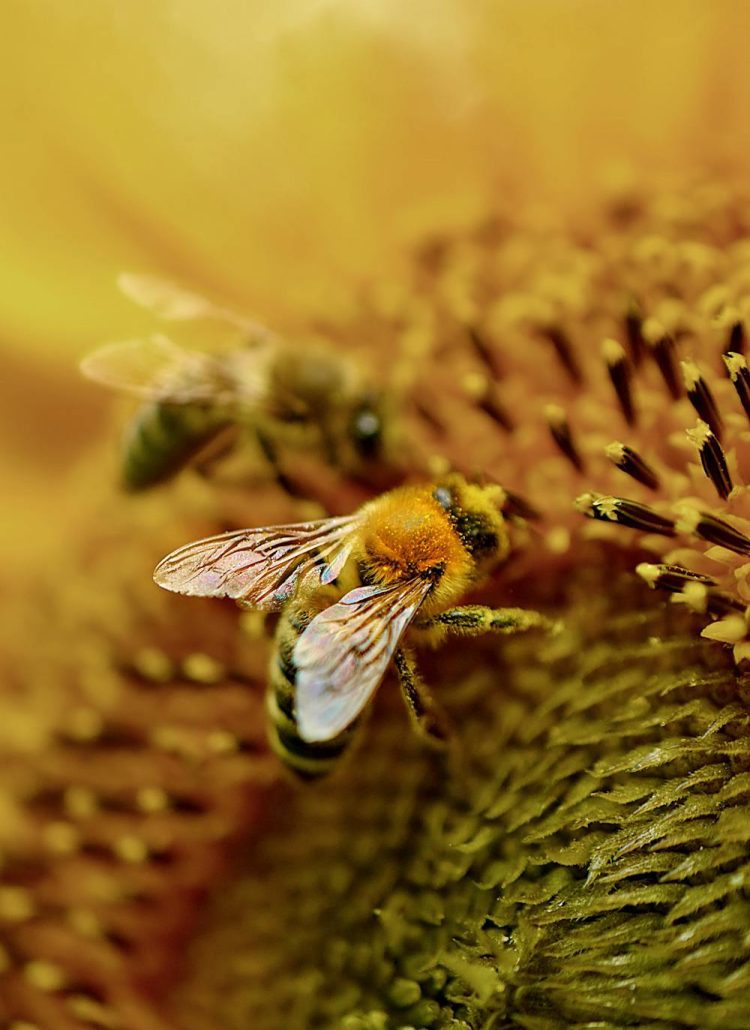
Once a bee locates a suitable flower, she extends her proboscis—a straw-like tongue—to suck up the nectar. This sweet liquid is stored in a special organ called the honey stomach or crop, which is separate from her digestive stomach. A forager can carry nectar equivalent to 80% of her body weight, though the average load is about 40mg per trip.
See More: Best Flowers for Bees: A Beekeeper’s Guide for a Bee-Friendly Garden
The Chemical Transformation
When the forager returns to the hive, the real magic begins. Many people think bees simply collect honey from flowers, but this is a common misconception. What bees collect is nectar—a thin, watery solution of about 80% water and 20% sugars, along with trace minerals and fragrant compounds.
The transformation of this dilute nectar into thick, shelf-stable honey requires significant chemical changes and moisture reduction.
Upon returning to the hive, the forager bee transfers her nectar load to younger house bees through a process called trophallaxis—essentially regurgitating the nectar for the house bees to take into their honey stomachs. This might sound unappetizing, but it’s a crucial step in production!
During this transfer, enzymes from the bee’s glands mix with the nectar, beginning its transformation. The primary enzyme, invertase (also called sucrase), breaks down the complex sugar in nectar (sucrose) into simpler sugars (glucose and fructose). Another important enzyme, glucose oxidase, converts some glucose into gluconic acid and hydrogen peroxide, which helps preserve the honey.
I often explain to visitors at my apiary that this enzymatic process is similar to how our saliva begins breaking down starches when we chew bread. The bees are essentially “pre-digesting” the nectar sugars, making the resulting honey easier for both bees and humans to digest.
The Ripening Process
After the initial enzymatic processing, house bees deposit the nectar into honeycomb cells. At this stage, the substance is still too watery to be considered honey. The transformation continues through a process beekeepers call “ripening.”
The house bees spread the nectar throughout the honeycomb, creating maximum surface area for evaporation. Then comes one of the most energy-intensive parts of honey production—moisture reduction.
Bees fan their wings vigorously over the open honeycomb cells, creating air currents that accelerate evaporation. On warm summer days, if you place your ear close to a hive (carefully!), you can actually hear the collective hum of thousands of bees fanning their wings. It’s a sound I never tire of hearing in my apiary.
This fanning continues until the moisture content drops from about 80% to below 18%—ideally around 17%. This low moisture level is crucial for preventing fermentation and ensuring honey’s remarkable shelf life. The process can take anywhere from 1-3 days, depending on humidity levels and hive conditions.
I’ve found that honey ripening is one of the most remarkable examples of cooperation in the animal kingdom. Thousands of bees work in shifts, fanning their wings tirelessly to create the perfect environment for evaporation. A single bee couldn’t accomplish this feat, but together, they create ideal conditions for honey production.

Honeycomb Construction: Nature’s Perfect Storage Container
While some bees are busy processing nectar, others are creating the storage containers—the honeycomb. These hexagonal wax cells are architectural marvels, providing maximum storage capacity with minimal building materials.
Young worker bees between 12-20 days old secrete beeswax from special glands on their abdomens. The wax emerges as tiny flakes that the bees manipulate with their mandibles, softening it until it becomes pliable enough to construct the honeycomb.
The hexagonal structure isn’t random—it’s mathematically the most efficient shape for maximizing space while minimizing building materials. As someone who studied engineering before becoming a beekeeper, I’m continually impressed by how bees intuitively implement principles that human architects and engineers have only relatively recently formalized.
A strong colony can produce and maintain thousands of these perfectly formed cells, creating an extensive network of storage space for honey, pollen, and brood (bee larvae). The precision with which they build these structures, maintaining consistent cell size and wall thickness, would put many human construction projects to shame.
See More: How Do Bees Build Perfect Honeycomb?
The Capping Process
Once the nectar has been fully transformed into honey and reached the appropriate moisture level, bees seal each cell with a cap of beeswax. This capping process is the final step in honey production and serves several important purposes:
- It prevents honey from absorbing moisture from the air
- It keeps the honey clean and protected
- It allows for long-term storage
As a beekeeper, the sight of frames filled with capped honey is one of the most satisfying views in the apiary. Those glistening, white-capped cells tell me the bees have successfully completed their alchemical transformation of flower nectar into one of nature’s most perfect foods.
The capping process also provides beekeepers with a visual indicator that the honey is ready for harvest. We generally only extract fully capped honey, as uncapped cells may contain honey that hasn’t been fully ripened and could ferment after extraction.
From Hive to Harvest: The Beekeeper’s Role
When I’m asked how I know when honey is ready to harvest, I explain that I look for frames where at least 80-90% of the cells are capped. This visual cue tells me the bees have determined the honey has reached the proper moisture content and is ready for long-term storage.
Harvesting honey is one of the most rewarding aspects of beekeeping, but it must be done responsibly to ensure the colony’s survival. I always make sure to leave enough honey for the bees themselves—typically 40-60 pounds for a colony to survive winter in my climate.
The harvesting process involves carefully removing frames from the hive, brushing or blowing bees back into their home, and then extracting the honey using a centrifuge that spins the frames, forcing honey out of the cells without damaging the comb. This allows me to return the empty combs to the hive, saving bees significant energy they would otherwise spend rebuilding.
It takes about 12 worker bees their entire lifetime to produce a single teaspoon of honey. This sobering fact reminds me to harvest with gratitude and respect for the incredible effort that goes into every drop.
See More: When & How to Harvest Honey for Maximum Yield and Quality
The Remarkable Properties of Honey: Nature’s Perfect Food
The end result of this elaborate process is one of nature’s most remarkable substances. Honey’s composition typically includes:
- Approximately 17-18% water
- 38% fructose
- 31% glucose
- 7% maltose
- 1.5% sucrose
- Trace amounts of vitamins, minerals, amino acids, antioxidants, and enzymes
This composition gives honey its distinctive properties, including its viscosity, sweetness, and incredible shelf life. Archaeologists have discovered honey in ancient Egyptian tombs that remained edible after thousands of years!
The antibacterial properties of honey come from multiple factors working together:
- Its low moisture content creates an environment where bacteria cannot survive
- The enzyme glucose oxidase produces hydrogen peroxide, a natural antiseptic
- Its acidic pH (averaging around 3.9) inhibits many microorganisms
- Various phytochemicals from the nectar sources contribute antibacterial compounds
I often tell new beekeepers that honey is the only food produced by insects that humans regularly consume. It’s also one of the few foods that never needs refrigeration, preservatives, or additives.
One of my favorite aspects of honey is how it captures the essence of its environment. The color, flavor, aroma, and even nutritional profile of honey varies dramatically depending on the flowers visited by the bees. Light-colored clover honey tastes entirely different from dark buckwheat honey, and orange blossom honey carries distinctive citrus notes.
In my years of beekeeping, I’ve harvested honey ranging from nearly colorless to deep amber, with flavors spanning from delicately floral to boldly robust. This diversity reflects the complex relationship between bees and their environment—a relationship that has evolved over millions of years.
See More: How Bee Products Support Your Well-Being
Conclusion: How Do Bees Make Honey?
The next time you enjoy a spoonful of honey, take a moment to appreciate the extraordinary journey it represents. From the thousands of flower visits to the complex hive activities, every drop of honey tells the story of one of nature’s most successful collaborative efforts.
As a beekeeper, I’m continually humbled by the efficiency, precision, and complexity of honey production. The transformation of fleeting flower nectar into shelf-stable honey represents one of nature’s most remarkable achievements.
What questions do you have about honey production or beekeeping? I’d love to hear from you in the comments below! And if you’re interested in supporting your local bee populations, consider purchasing honey from local beekeepers or even exploring beekeeping as a hobby yourself.


Leave a Reply