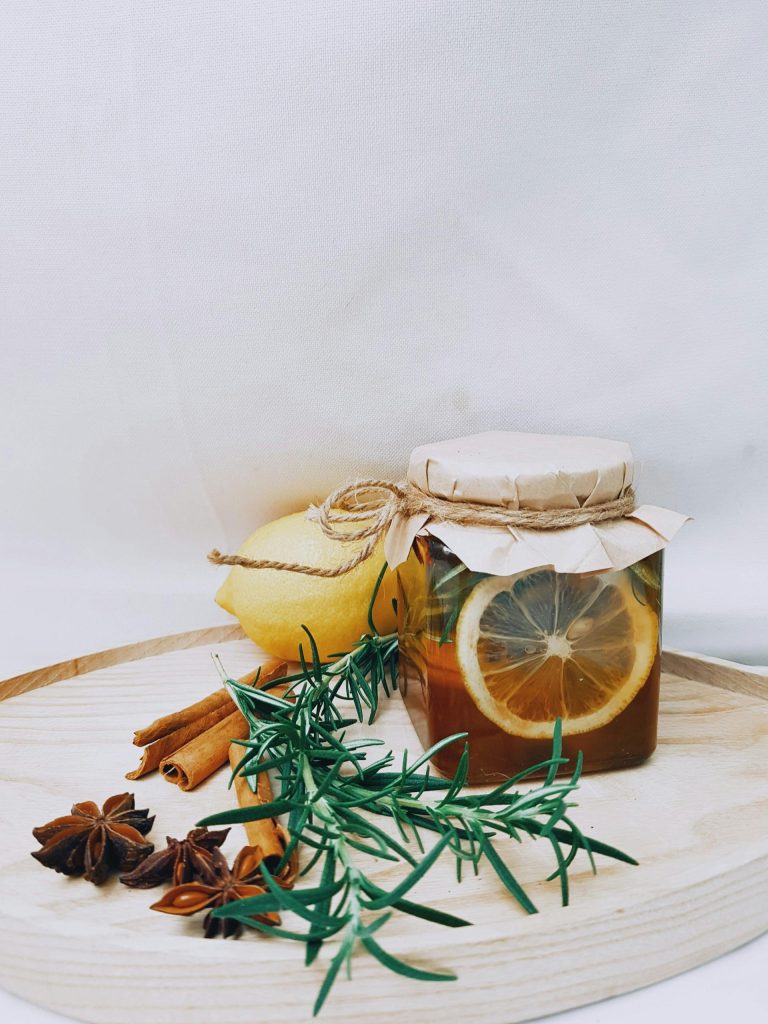
When most people think of bees, they immediately think of honey. But these remarkable insects produce a variety of substances with potent health benefits that extend far beyond sweetening your tea. From the antimicrobial properties of propolis to the nutritional powerhouse of bee pollen, the hive offers a treasure trove of natural health solutions that modern science is only beginning to fully understand. In this comprehensive guide, I’ll take you through the fascinating world of bee products and their impressive health applications. Whether you’re looking to boost your immune system, improve your skin, or enhance your overall wellness routine, the humble honeybee may provide exactly what you need.
Honey: The Sweet Healer
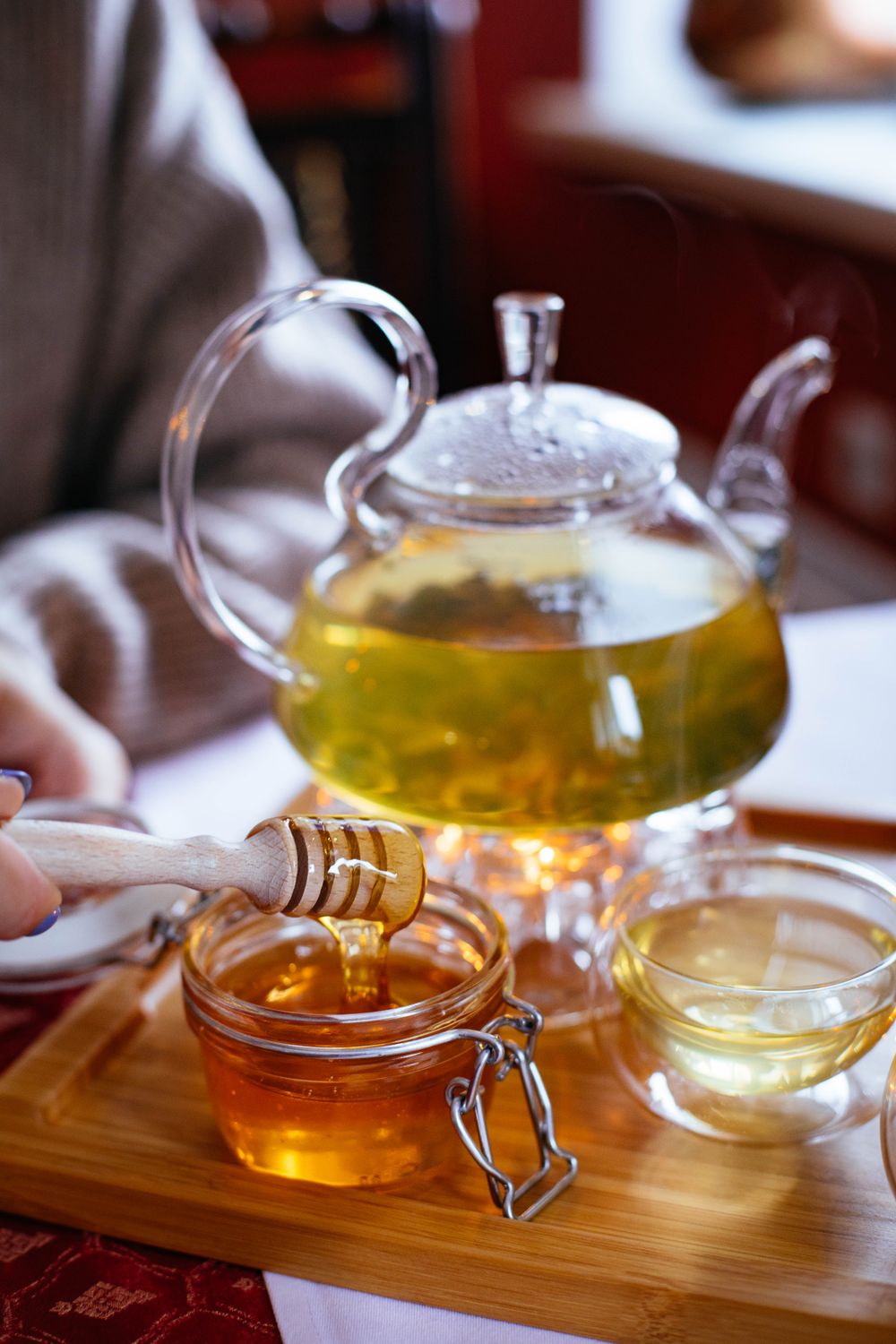
Every morning, I drizzle a spoonful of raw honey into my tea – a simple ritual that connects me to thousands of years of human history. Honey isn’t just a natural sweetener; it’s one of nature’s most remarkable medicines.
The Diversity of Liquid Gold
Not all honey is created equal. The flavor, color, and medicinal properties vary dramatically depending on the flowers the bees visit. Some of my favorites include:
- Manuka honey from New Zealand, prized for its exceptional antibacterial properties
- Buckwheat honey, dark and robust, packed with antioxidants
- Acacia honey, light and delicate, gentle on sensitive digestive systems
- Wildflower honey, which captures the essence of your local ecosystem
I always recommend raw, unfiltered honey to my blog readers. The processing and heating that commercial honey undergoes destroys many of the enzymes, antioxidants, and beneficial compounds that make honey so special.
Nature’s Wound Healer
One summer, I accidentally cut my hand while working with my hives. Without thinking, I applied some of my raw honey to the wound. The relief was immediate, and the healing remarkably quick. This personal experience mirrors what research has shown: honey creates a moist healing environment while its hydrogen peroxide content and low pH help prevent bacterial growth.
In fact, medical-grade honey is now used in clinical settings for wound dressing. Its osmotic effect draws fluid from the wound and helps remove debris, while creating an environment hostile to bacteria but conducive to healing.
Soothing Digestive Issues
I’ve found honey to be particularly effective for digestive issues. A tablespoon of raw honey can coat the esophagus and stomach lining, reducing irritation and inflammation. Its prebiotic properties support healthy gut bacteria, which are crucial for proper digestion and immune function.
For my readers with acid reflux or occasional stomach upset, I often recommend a mixture of raw honey with warm water as a gentle remedy that helps balance stomach acid without the side effects of over-the-counter medications.
Cough Suppressant
During cold and flu season, honey becomes my go-to remedy. Research published in the Archives of Pediatrics and Adolescent Medicine showed that buckwheat honey outperformed commercial cough suppressants in providing relief for children’s nighttime coughs.
I’ve experienced this myself – a spoonful of honey before bed soothes a scratchy throat and suppresses coughing more effectively than many commercial syrups. The thick consistency coats and soothes the throat, while antimicrobial compounds help fight the underlying infection.
Athletic Performance Booster
As someone who also enjoys hiking and gardening, I appreciate honey’s perfect balance of glucose and fructose, which provides both immediate and sustained energy. Unlike refined sugars that cause energy spikes and crashes, honey offers a more stable energy release.
Many of my athletic friends have switched from commercial energy gels to natural honey packets during endurance events. The easily digestible carbohydrates in honey make it an ideal fuel for workouts and recovery.
Propolis: The Bee’s Protective Resin
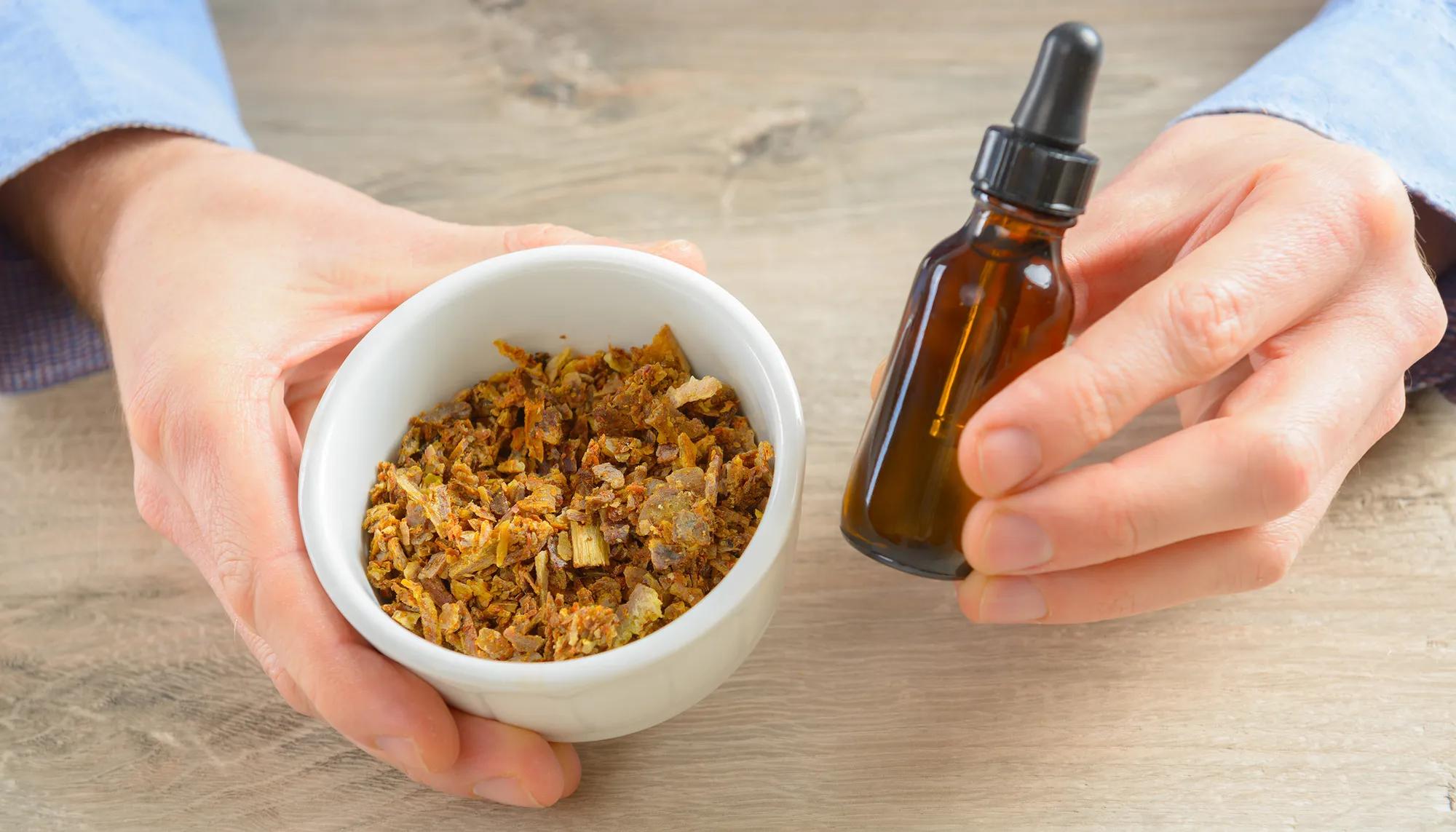
Walking through my apiary, I often notice a reddish-brown substance sealing small gaps in my hives. This is propolis – one of the most powerful medicines from the beehive and a substance I’ve come to rely on year-round for immune support.
The Beehive’s Immune System
Bees create propolis by gathering resin from tree buds and bark, mixing it with wax and their own enzymes. They use it to seal their hive against intruders and infection – essentially creating an immune system for the entire colony.
What’s fascinating is that bees are selective about which plants they harvest resin from, often choosing those with strong medicinal properties. The result is a complex mixture containing over 300 compounds, including flavonoids, phenolic acids, and essential oils.
My Immune Support Secret
Every fall, I start taking propolis tincture as part of my daily routine. I’ve noticed fewer colds and shorter duration of illness since adopting this practice. The science backs up my experience – research shows propolis stimulates the immune system and has direct antimicrobial effects against bacteria, viruses, and fungi.
During one particularly bad flu season, when it seemed everyone around me was sick, I increased my propolis dosage and remained healthy throughout the winter. While I can’t prove it was solely due to propolis, the protective effects were consistent with research on its immune-enhancing properties.
Oral Health Revolution
Propolis has revolutionized my approach to oral health. I’ve incorporated propolis-containing toothpaste and mouthwash into my routine, which has noticeably reduced plaque formation and helped with sensitive gums.
Several studies confirm that propolis can fight the bacteria that cause dental caries and periodontal disease. Some dentists now use propolis in preparations for treating oral ulcers and following tooth extraction due to its healing properties.
Skin Savior
For minor skin irritations, cuts, or burns, propolis cream has become my first-line treatment. Its antimicrobial properties prevent infection, while its anti-inflammatory compounds reduce redness and swelling.
I particularly recommend propolis for acne-prone skin. Several of my blog readers have reported significant improvements in their skin clarity after using propolis tincture as a spot treatment or diluted as a toner.
Royal Jelly: The Queen’s Superfood
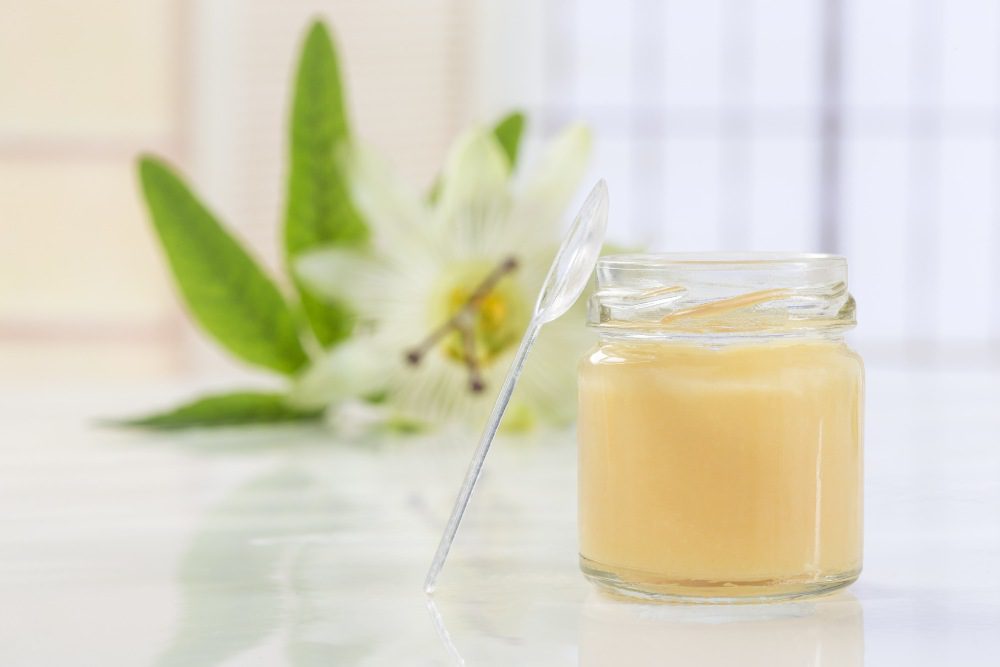
One of the most fascinating substances in the hive is royal jelly – the food that turns an ordinary bee larva into a queen. The first time I harvested royal jelly from my hives, I was struck by its pearl-white appearance and distinctive tangy flavor.
The Making of a Queen
Royal jelly is produced by worker bees to feed larvae. While all larvae receive royal jelly for the first three days of their development, only future queen bees continue to receive this special food throughout their development. This exclusive diet is what transforms a regular female bee into a queen, extending her lifespan from six weeks to several years and enabling her to lay up to 2,000 eggs daily.
This remarkable transformation hints at the potent biological properties contained within royal jelly.
Nutritional Powerhouse
Royal jelly’s composition is truly unique. It contains all eight essential amino acids, vitamins B1, B2, B5, B6, biotin, folic acid, and small amounts of vitamin C. It also provides minerals including calcium, copper, iron, phosphorus, potassium, silicon, and sulfur.
What makes royal jelly particularly special is its content of 10-hydroxy-2-decenoic acid (10-HDA), a fatty acid found nowhere else in nature. Research suggests 10-HDA may be responsible for many of royal jelly’s health benefits.
Skin Rejuvenation
In my mid-40s, I began applying royal jelly topically as part of my skincare routine. The improvement in my skin’s hydration and elasticity was noticeable within weeks. Royal jelly enhances collagen production and contains compounds that protect against UV damage – two crucial factors in maintaining youthful skin.
I now make my own royal jelly face mask by mixing a small amount with raw honey and applying it once a week. The feedback from friends and family about how well my skin has aged has convinced me of its effectiveness.
Hormonal Balance Support
Several women in my beekeeping community have reported improvements in menopausal symptoms after taking royal jelly supplements. While research in this area is preliminary, studies suggest royal jelly may help moderate estrogen effects in the body.
I always emphasize to my readers that while royal jelly shows promise for hormonal health, it’s important to consult with a healthcare provider before using it for this purpose, especially for those with hormone-sensitive conditions.
Cognitive Function and Energy
On days when I need extra mental clarity – perhaps when writing a detailed blog post or planning my apiary expansion – I’ll take a small amount of fresh royal jelly under my tongue. The boost in focus and energy is subtle but noticeable, without the jitters or crash associated with caffeine.
Emerging research supports this effect, with studies showing royal jelly may promote brain health through its antioxidant properties and neurotrophic factors that support nerve cell growth and survival.
Bee Pollen: Complete Nutrition
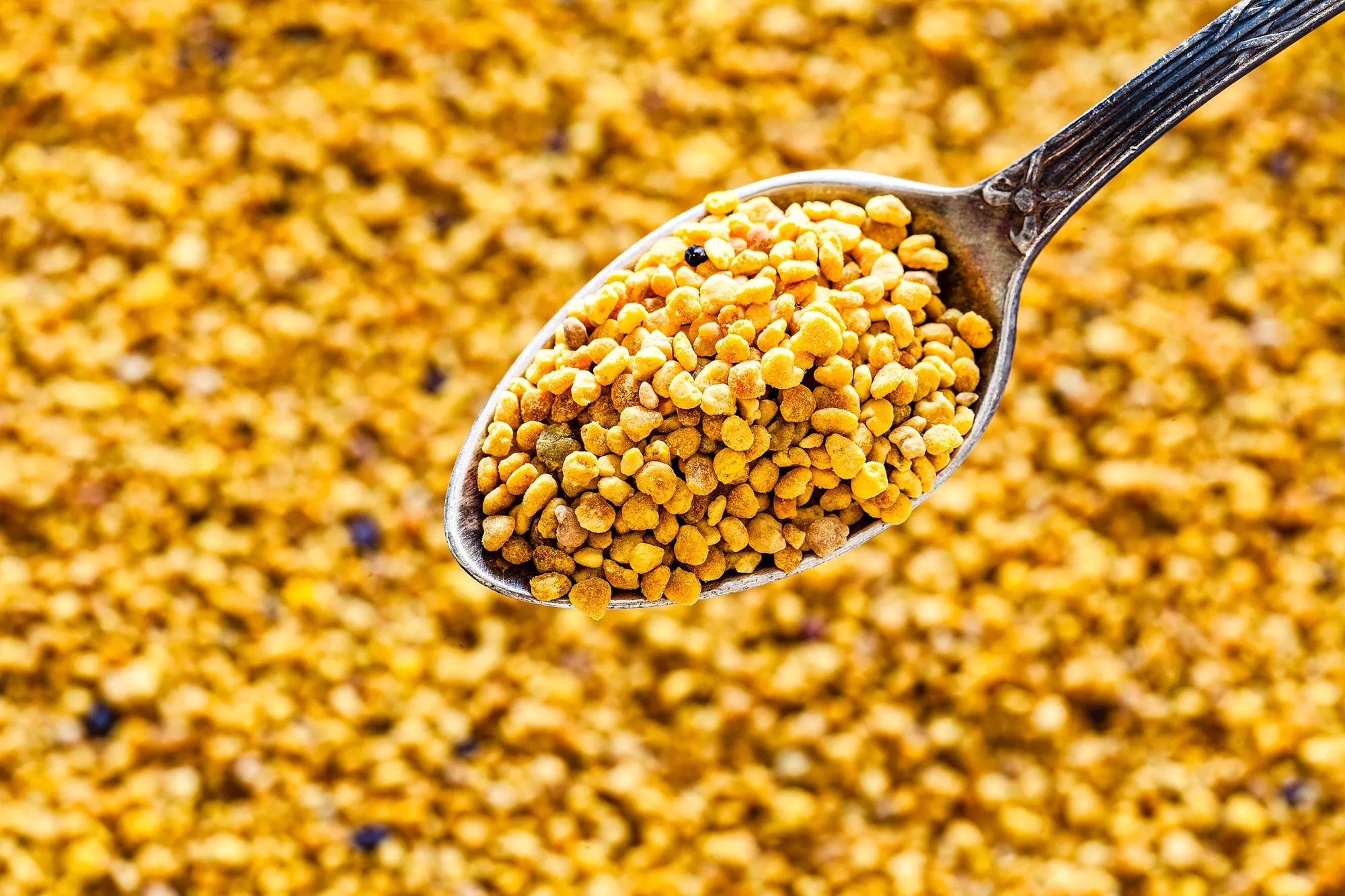
Walking through my apiary on a spring morning, I often see my bees returning with bright yellow, orange, and red pollen baskets on their legs. These tiny, colorful granules represent one of the most nutritionally complete natural substances on earth.
Nature’s Multivitamin
Bee pollen contains nearly all nutrients required by humans. It provides more protein per gram than any animal source, complete with all essential amino acids. It’s rich in vitamins including A, C, D, E, and the full spectrum of B vitamins, along with minerals, enzymes, and beneficial fatty acids.
When I first started taking bee pollen, I was skeptical about the claims regarding its nutritional value. But after incorporating a teaspoon daily into my morning smoothie, I noticed improvements in my energy levels and recovery after exercise that convinced me of its benefits.
Seasonal Allergy Relief
One of the most popular uses for locally-produced bee pollen is alleviating seasonal allergies. The theory is that consuming small amounts of local pollen helps the body build tolerance to airborne allergens – similar to how allergy shots work, but through a natural, food-based approach.
I’ve seen this work firsthand. Several years ago, my partner suffered from debilitating spring allergies. After slowly introducing local bee pollen into her diet (starting with just a few granules and working up to a teaspoon daily), she experienced significant relief the following season.
It’s important to note that pollen allergies vary widely, and those with severe allergic reactions should consult a healthcare provider before trying this remedy.
Athletic Performance and Recovery
As a beekeeper who also enjoys hiking and gardening, I’ve found bee pollen particularly helpful for maintaining energy during long days of physical activity. The combination of carbohydrates, protein, and B vitamins makes it an excellent natural energy booster.
Many elite athletes incorporate bee pollen into their training regimens for improved stamina and faster recovery. Research suggests the antioxidants in bee pollen may help reduce inflammation after exercise, while its complete nutritional profile supports muscle repair.
Immune System Support
During the winter months, I add bee pollen to my daily routine specifically for immune support. Its rich array of antioxidants, including flavonoids, carotenoids, and glutathione, help neutralize free radicals and reduce oxidative stress – a key factor in maintaining immune function.
Studies have shown bee pollen has antimicrobial, anti-inflammatory, and antiallergic properties, all of which contribute to overall immune health and resilience against infection.
Beeswax: Beyond Candles
While many people think of beeswax only in terms of candles or lip balm, this remarkable substance has numerous health applications that I’ve incorporated into my daily life.
How Bees Create Wax
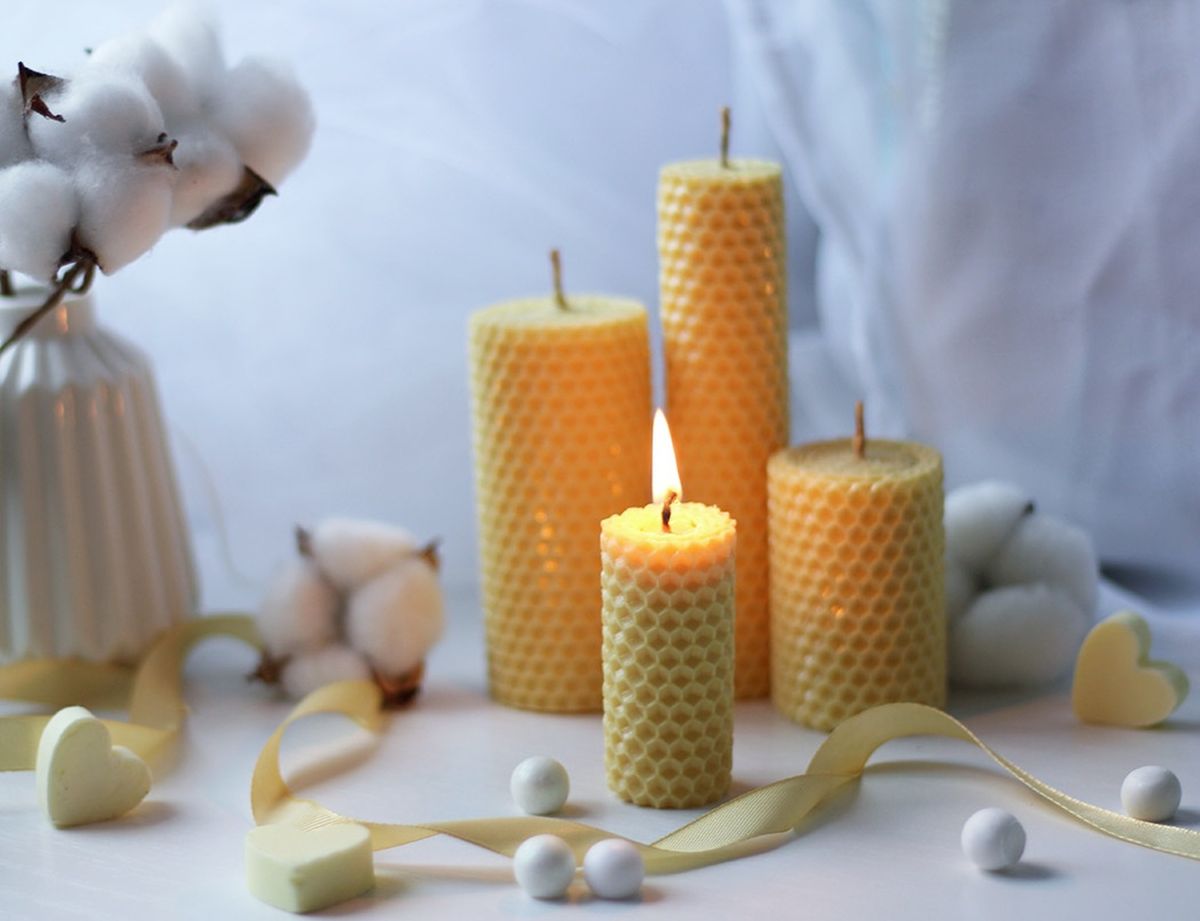
Young worker bees have special glands on their abdomens that secrete wax scales. They chew these scales, mixing them with their saliva and molding the softened wax to build the honeycomb structure. It takes bees consuming about 8 pounds of honey to produce just 1 pound of wax – a reminder of how precious this resource truly is.
Skin Protection and Healing
After years of working outdoors with my bees, my hands would often become rough and chapped. I developed my own hand salve using beeswax, olive oil, and a small amount of propolis. The difference was remarkable – the beeswax creates a protective barrier that locks in moisture while still allowing skin to breathe.
Beeswax contains vitamin A, which promotes cell regeneration, along with emollient properties that soften and rehydrate skin. Unlike petroleum-based products, beeswax doesn’t clog pores and can actually help the skin attract and retain moisture.
Respiratory Relief
One winter tradition in my household is making beeswax candles. Beyond their warm, honey-scented glow, these candles actually help purify the air. When burned, beeswax releases negative ions that can bind with toxins and help remove them from the air.
For those with allergies or asthma, this air-purifying quality can make beeswax candles a healthier alternative to paraffin candles, which may release petroleum-derived chemicals when burned.
Sustainable Household Solutions
I’ve gradually replaced many plastic and synthetic products in my home with beeswax alternatives. Beeswax food wraps have become a favorite – infused with a bit of jojoba oil and tree resin, they provide an antibacterial, reusable alternative to plastic wrap.
These wraps not only reduce environmental waste but also allow food to breathe naturally while being protected from contamination – a health benefit beyond the obvious environmental advantages.
How to Source Quality Bee Products
After sharing all these benefits, I’m often asked how to find high-quality bee products. As someone who produces these items myself, I have some specific recommendations:
Local vs. Commercial Options
Whenever possible, source your bee products locally. Visit farmers’ markets or contact local beekeeping associations to find beekeepers in your area. Local products are typically fresher, less processed, and contain the specific pollens and plant compounds from your region – particularly beneficial if you’re using bee products for seasonal allergies.
When local options aren’t available, look for reputable companies that prioritize quality and ethical sourcing. Read product labels carefully – for honey, avoid products with added ingredients like corn syrup or other sweeteners.
Ethical Beekeeping Considerations
The health of bees directly impacts the quality of their products. Support beekeepers who practice sustainable methods, avoiding excessive use of antibiotics or chemical treatments in their hives.
I maintain my own hives using integrated pest management techniques that minimize chemical interventions while keeping my colonies healthy. The result is cleaner, more potent bee products that are free from potentially harmful residues.
Quality Indicators
For honey, look for products labeled “raw” and “unfiltered” to ensure you’re getting all the beneficial enzymes and compounds. Good honey should be solid at cool temperatures and become liquid when warmed – a sign it hasn’t been adulterated with syrup.
Quality propolis should have a distinctive aroma and typically ranges in color from dark brown to reddish or greenish-brown. Royal jelly should be refrigerated and have a whitish color and distinctive tangy flavor.
Bee pollen should be vibrant in color with a mix of yellow, orange, and other hues representing diverse plant sources. Avoid pollen that looks uniform in color or excessively dry.
Storage Recommendations
To maintain their therapeutic properties, proper storage of bee products is crucial:
- Store raw honey at room temperature in a dark place. It never spoils, though it will naturally crystallize over time (which can be reversed by gentle warming).
- Keep propolis tincture in a dark glass bottle at room temperature.
- Refrigerate royal jelly and bee pollen to preserve their nutritional value and prevent spoilage.
- Store beeswax in a cool, dry place away from direct sunlight.
Precautions and Considerations
While bee products offer remarkable health benefits, they’re not appropriate for everyone. As a responsible beekeeper and health advocate, I must emphasize a few important precautions:
Allergic Reactions
Anyone with known bee allergies should exercise extreme caution with bee products. Even if you’re not allergic to bee stings, you might react to bee pollen, propolis, or royal jelly. Always start with a tiny amount when trying these products for the first time.
I recommend placing a small amount of the product on your inner wrist and waiting 24 hours to check for any reaction before consuming it.
Who Should Exercise Caution
Honey should never be given to infants under 12 months due to the risk of botulism. Pregnant or breastfeeding women should consult their healthcare provider before using propolis, royal jelly, or bee pollen.
Those with specific health conditions, particularly autoimmune disorders or allergies, should discuss bee product supplementation with their healthcare provider.
Appropriate Usage
More isn’t always better when it comes to bee products. For honey, enjoy it as a sweetener but be mindful of its caloric content. For propolis and royal jelly, follow the recommendations on product packaging, which typically suggest small amounts.
With bee pollen, start with just a few granules and gradually increase to a teaspoon daily, monitoring for any adverse reactions.
Integrating with Conventional Medicine
I always emphasize to my blog readers that bee products can complement conventional medical treatments but should not replace them. If you’re taking prescription medications, check with your healthcare provider about potential interactions.
Some bee products, particularly propolis, may interact with certain medications due to its effect on enzymes involved in drug metabolism.
Conclusion: How Bee Products Support Your Well-Being
From the antibacterial properties of honey that help heal wounds to the immune-boosting power of propolis, from the nutritional completeness of bee pollen to the regenerative potential of royal jelly – the beehive offers a natural pharmacy that has supported human health for millennia.
As we face growing challenges with antibiotic resistance and the side effects of synthetic medications, these natural alternatives deserve our attention and further scientific exploration. At the same time, we must recognize the threats facing bee populations worldwide and commit to practices that support their survival.
By choosing high-quality bee products and supporting sustainable beekeeping practices, you’re not only investing in your health but also in the future of these essential pollinators. The health of our bees is inextricably linked with our own – a beautiful reminder of our interconnection with the natural world.
I invite you to explore the healing potential of bee products in your own wellness journey. Start simply – perhaps with a jar of local raw honey – and discover for yourself why these gifts from the hive have been treasured throughout human history.



Leave a Reply