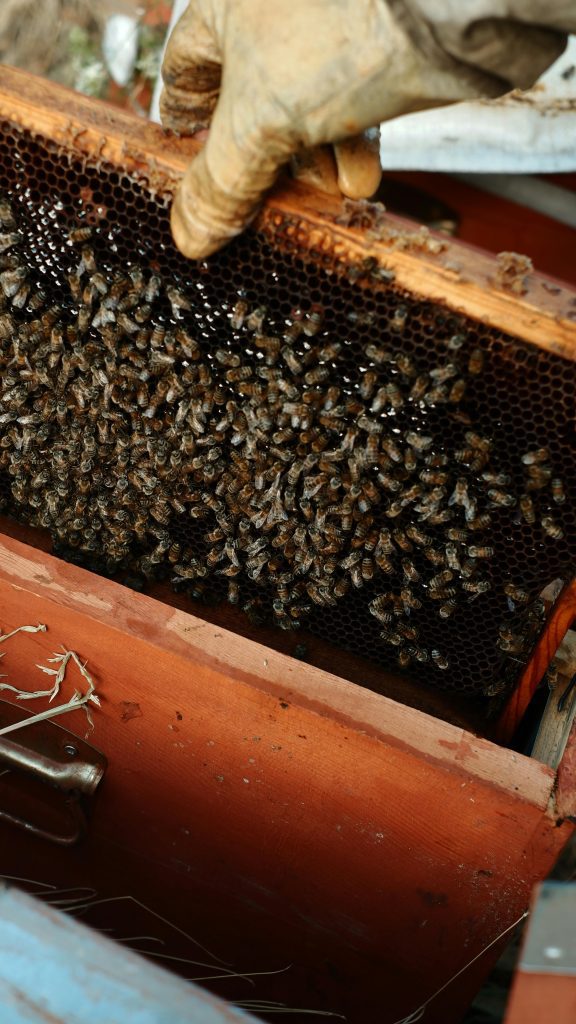
Beekeeping is a rewarding and fascinating journey, but it’s also a responsibility. When you care for bees properly, you help them thrive, which benefits not just your hive but also the environment. However, there are common mistakes that new (and even experienced) beekeepers make that can harm their colonies. In this article, I’ll walk you through the essential do’s and don’ts of beekeeping to ensure your bees stay healthy, productive, and happy.
See more: Beginner’s Guide: How to Start a Beehive in Your Backyard
5 Do’s of Beekeeping: Best Practices for a Thriving Colony
Do Choose the Right Hive Location
The placement of your hive is critical. Bees need a location that gets plenty of sunlight, especially in the morning, to help them become active early in the day. Ideally, the hive should be sheltered from strong winds and placed in an area with good drainage to prevent moisture buildup. Access to a clean water source nearby is also essential—bees need water for cooling the hive and diluting honey.
Avoid placing hives in areas with heavy foot traffic, as this can lead to unwanted encounters between bees and people. If you have neighbors nearby, consider adding a fence or hedge to encourage bees to fly upward and out of their way.
Do Conduct Regular Hive Inspections
Checking your hive consistently is key to maintaining a healthy colony. I recommend inspecting your hive at least once every 7 to 10 days during the active season. This allows you to monitor for signs of disease, check honey stores, and ensure the queen is laying eggs properly.
When inspecting, look for brood patterns, pollen stores, and any unusual behavior among the bees. Be gentle and avoid unnecessary disruptions—opening the hive too frequently can stress the colony.
Do Provide a Clean and Safe Environment
A clean hive is a healthy hive. Keep the area around your beehive free of tall weeds and clutter that might harbor pests. Also, avoid using chemical pesticides or herbicides near your bees, as these substances can be toxic to them.
Regularly clean your beekeeping tools and gear to prevent the spread of disease. If you notice signs of pests like varroa mites or small hive beetles, take immediate action to prevent an infestation from getting out of control.
Do Ensure Bees Have Enough Food and Water
Even though bees gather their own nectar and pollen, they sometimes need extra support. During times of nectar scarcity, such as late summer or early spring, you may need to provide supplemental feeding. A simple sugar-water mixture (2:1 ratio of sugar to water) can help your bees get through tough periods.
Water is just as crucial. If a natural water source isn’t nearby, set up a shallow dish with floating objects like pebbles or corks so the bees can land safely while drinking.
Do Learn About Bee Behavior and Seasonal Needs
Understanding how bees behave throughout the year will make you a better beekeeper. During spring, colonies expand rapidly, and you may need to manage swarming. Summer is peak honey production, while fall is a time for preparation—ensuring they have enough stored honey to survive winter.
Each season requires different care strategies. Keep learning, whether through books, online courses, or local beekeeping clubs. The more you understand your bees, the better you’ll be at keeping them healthy.
5 Don’ts of Beekeeping: Common Mistakes to Avoid
Don’t Open the Hive Too Often
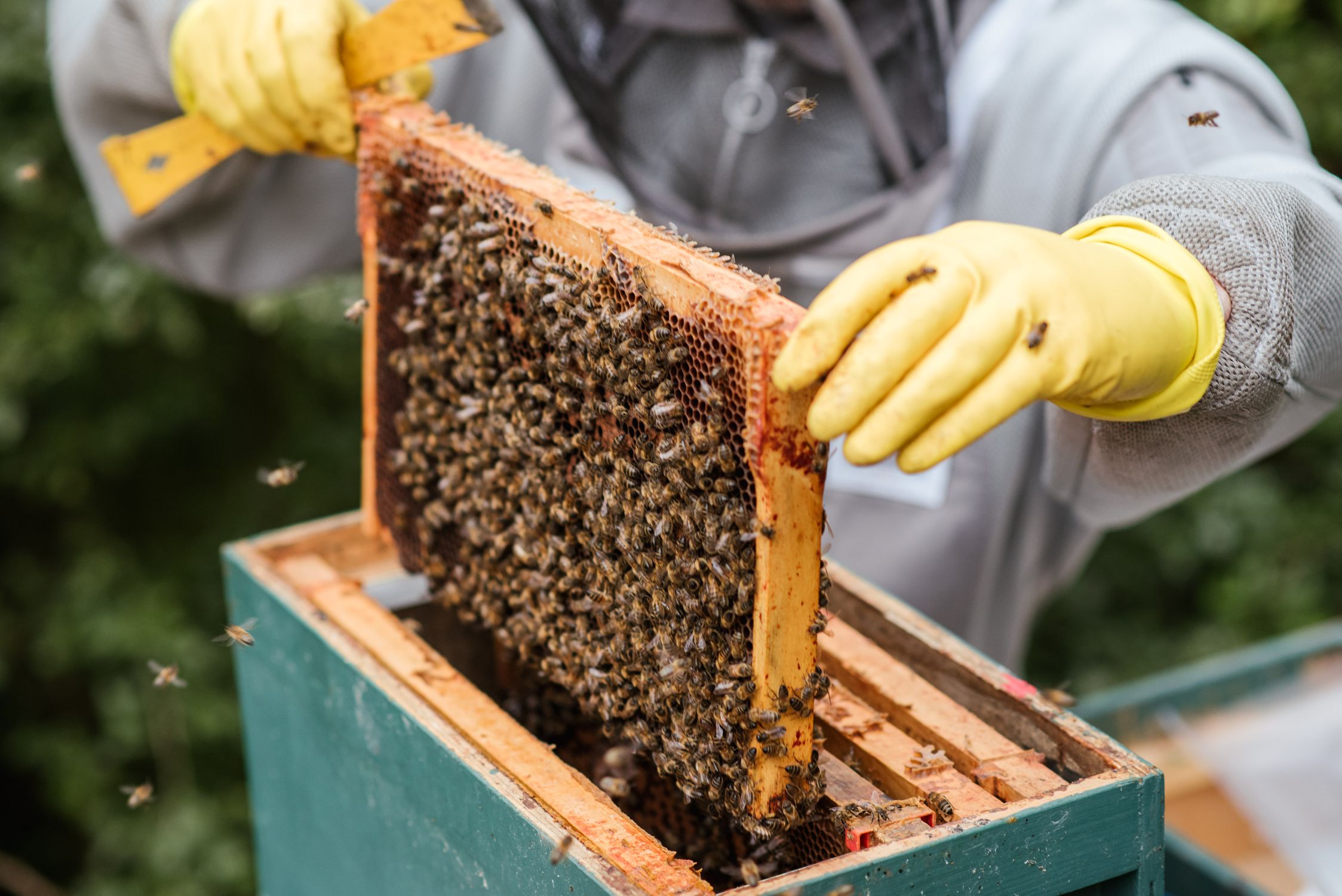
While regular inspections are important, opening the hive too frequently can stress the colony and disrupt their work. Every time you open the hive, you alter its internal temperature and pheromone balance, which can make it harder for bees to function efficiently.
Stick to your inspection schedule unless you notice unusual activity outside the hive, such as excessive dead bees, weak flight patterns, or lack of foraging activity.
Don’t Ignore Signs of Disease or Pests
One of the biggest mistakes beekeepers make is not catching early signs of disease or pest infestations. Varroa mites, for example, can devastate a hive if left untreated. Signs to watch for include deformed wings, excessive crawling bees, or spotty brood patterns.
Foulbrood, another serious disease, has a distinct foul odor and sunken, discolored brood cells. If you suspect disease, consult a local beekeeping expert or state apiary inspector. Prevention and early intervention are key to keeping your colony safe.
Don’t Use Excessive or Harmful Chemicals
Chemical treatments for mites and other pests can be effective, but overuse can weaken your bees and contaminate honey. Whenever possible, opt for integrated pest management (IPM) strategies like drone brood trapping, essential oil treatments, or screened bottom boards.
If you must use chemical treatments, always follow the manufacturer’s instructions carefully and apply them at the appropriate times to minimize exposure to your bees.
Don’t Harvest Too Much Honey
It’s tempting to take as much honey as possible, but bees rely on their honey stores to survive the winter. If you take too much, they may not have enough food, leading to colony starvation.
A good rule of thumb is to leave at least 40-60 pounds of honey in the hive for overwintering, depending on your climate. Always assess the hive’s reserves before extracting honey, and only take what your bees can spare.
Don’t Neglect Beekeeper Safety
Beekeeping is generally safe, but it does come with risks. Always wear protective gear, especially if you’re new to handling bees. A bee suit, gloves, and a veil can prevent painful stings and allergic reactions.
If you do get stung, remove the stinger quickly by scraping it off with a fingernail or card (never squeeze it). For those with severe allergies, keeping an epinephrine auto-injector on hand is essential.
Conclusion: How to Care for Bees the Right Way
Beekeeping is a fulfilling practice, but it requires knowledge, patience, and care. By following these do’s and don’ts, you can create a healthy and thriving colony that will reward you with honey, pollination, and the satisfaction of supporting the environment.
Remember, beekeeping is a continuous learning experience. Stay curious, keep observing your bees, and never hesitate to seek advice from experienced beekeepers.



Leave a Reply