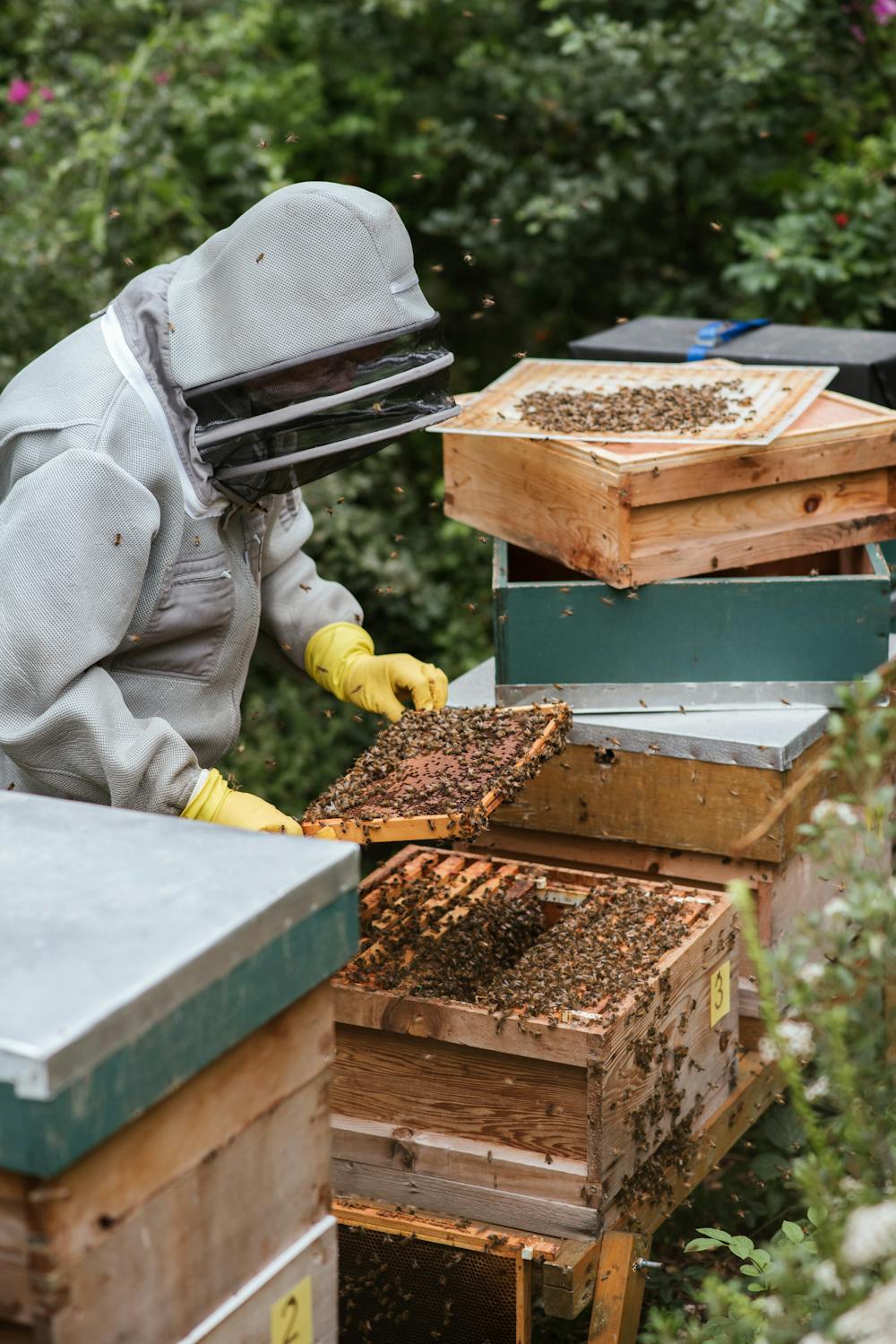
Beekeeping has become a popular hobby for many, and for good reason. Not only do beekeepers contribute to pollination and biodiversity, but they also enjoy the benefits of producing honey, beeswax, and other hive products. If you’ve ever thought about becoming a beekeeper, you’re in the right place. In this guide, I’ll walk you through everything you need to know to start your own beekeeping journey. Whether you want to keep bees as a hobby or even start a small-scale honey production business, becoming a beekeeper is both rewarding and educational. Let’s dive in.
What’s Beekeeping?
Beekeeping, or apiculture, involves the management of bee colonies, typically in man-made hives. The most common type of bee kept by beekeepers is the honeybee, which is crucial for pollination and the production of honey.
As a beekeeper, you’re responsible for ensuring the health and well-being of your bees. This means taking care of their environment, feeding them when necessary, and helping them thrive by maintaining a strong colony. Many beekeepers take pride in knowing that their work supports biodiversity, pollinates local crops, and helps ecosystems flourish. And, of course, you can enjoy fresh honey and other hive products along the way!
Is Beekeeping Right for You?
Before you buy your first hive or even attend a beekeeping course, it’s important to ask yourself if beekeeping is the right fit for you. Beekeeping requires time, effort, and a certain level of commitment. It’s not a “set it and forget it” hobby.
Beekeeping also requires some space. Ideally, you’ll need a backyard or a small plot of land that’s away from busy roads and areas with a lot of foot traffic. Bees are sensitive creatures, and they need a peaceful environment to thrive.
In addition to space, think about the time commitment. Managing a hive takes work, especially in the beginning. You’ll need to check on your hive regularly, monitor the health of the colony, and ensure they have enough food and resources to survive. The time spent will vary depending on the time of year and whether you are experiencing any issues with your colony, but you should expect to spend a few hours each week with your bees, especially during peak seasons.
Financially, you’ll need to budget for the initial investment of equipment, bees, and ongoing hive maintenance. While beekeeping isn’t as expensive as some other hobbies, it does require a bit of up-front capital.
Basic Terms about Beekeeping
When you start learning about beekeeping, you’ll encounter a lot of new terms. Don’t worry, this is completely normal! Here are some of the basic terms that every beginner should be familiar with:
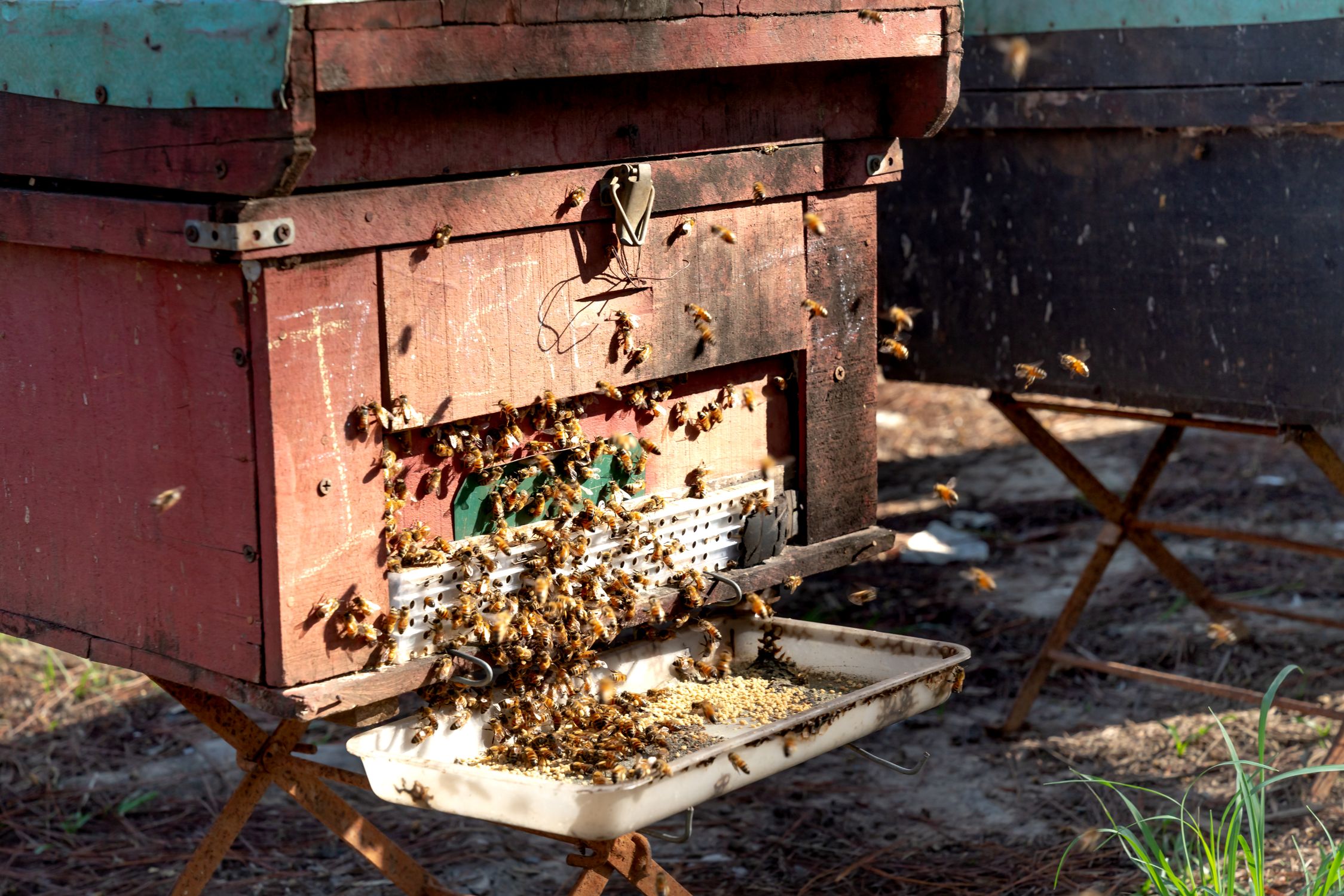
- Hive: The home where the bees live and work. It consists of several boxes stacked together, each holding frames that contain the bees’ brood (eggs, larvae, and pupae), honey, and pollen.
- Brood: The eggs, larvae, and pupae in a beehive, nurtured by the worker bees.
- Frames: Rectangular structures inside the hive where bees build their comb and store honey.
- Smoker: A device used to puff smoke into the hive. This calms the bees and prevents them from becoming agitated during inspections.
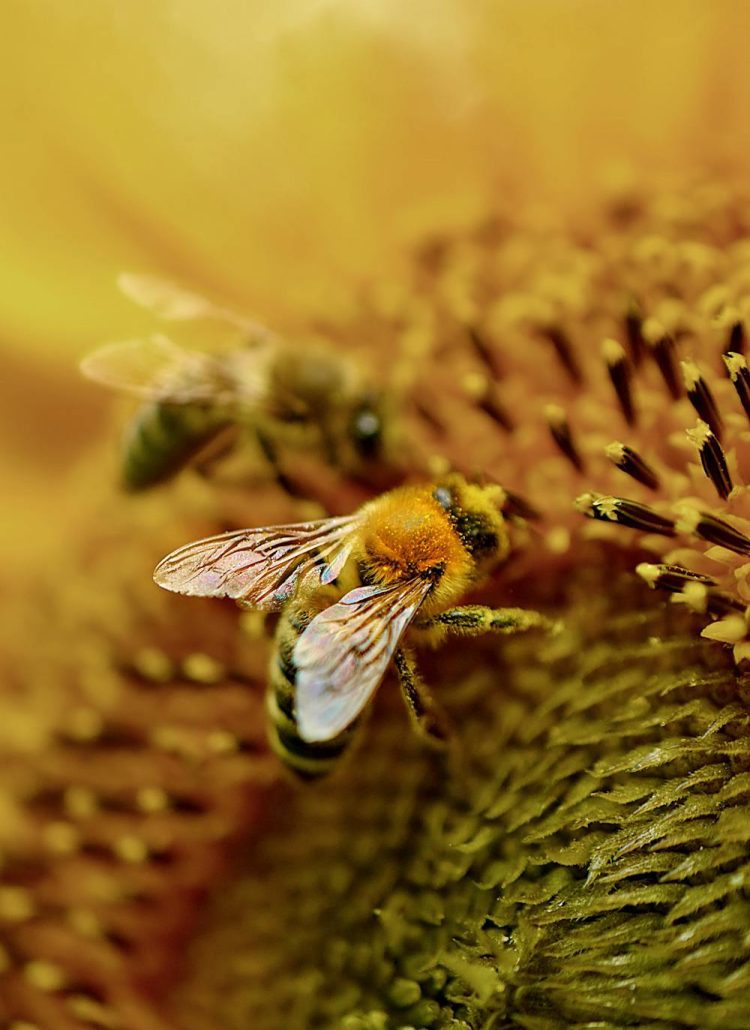
- Nectar: A sugary substance collected by bees from flowers, which they turn into honey.
- Pollen: The powdery substance that bees collect from flowers to feed their larvae.
- Queen: The reproductive female bee that lays eggs and is essential to the hive’s survival.
Getting Started
Step 1: Learn the Basics of Beekeeping
The first thing you need to do when you start your beekeeping journey is educate yourself. There are several ways you can learn about bees and beekeeping:
- Books: There are many great books on beekeeping, both for beginners and more experienced beekeepers.
- Online Courses: Many universities, beekeeping associations, and organizations offer online courses that are perfect for beginners.
- Local Beekeeping Clubs: Joining a local club is one of the best ways to learn. You can get firsthand experience, ask questions, and even find a mentor.
- Mentorship: If you know someone who keeps bees, consider shadowing them to learn the ropes. Many experienced beekeepers are happy to help beginners.
Along with formal learning, you’ll need to understand bee behavior. Beekeeping is as much about observation as it is about management. Learn to recognize healthy bees and what a thriving colony looks like. Over time, you’ll start to develop your own techniques and strategies based on your observations.
Step 2: Gather Your Equipment
Beekeeping requires some essential equipment. You don’t need to go overboard with fancy tools, but there are a few must-haves to get started:
- Bee Suit: A full-body suit that protects you from bee stings. You’ll also need a veil to protect your face.
- Gloves: While you can work without gloves, it’s best for beginners to wear them until they’re more confident.
- Hive Tool: A multi-purpose tool used for prying frames apart and cleaning the hive.
- Smoker: This helps calm the bees during hive inspections.
- Bees: You can purchase bees in a few different ways. Most beekeepers start with a nucleus colony (nuc), which is a small, established colony that comes with a queen, workers, and brood.
You’ll also need a beehive. The most common type of hive for beginners is the Langstroth hive, which is a stackable box system that provides flexibility and ease of management. Other options include top-bar and Warre hives, but these are less common for beginners.
How to Choose Your Bees
Once you have your equipment, you’ll need to select your bees. Most beekeepers begin with a nucleus colony (nuc), which is a small colony that contains a queen, workers, and brood. This is often the best option for beginners, as it allows you to start with a more established colony rather than having to deal with installing a package of bees.
You can also purchase bees from local bee suppliers or get them from fellow beekeepers in your area. When choosing your bees, it’s important to consider the type of bee you want to keep. The most common species is the European honeybee (Apis mellifera), but there are different races within this species, such as Italian, Carniolan, and Buckfast bees. Each type of bee has different characteristics, such as temperament and how well they adapt to your local climate. Talk to local beekeepers to find out which bees are best suited to your environment.
How to Set Up Your Hive
Now that you have your equipment and bees, it’s time to set up your hive. Location is a critical consideration for your bees. You’ll want to place the hive in an area that gets plenty of sunlight during the day, preferably facing south or southeast. This helps the hive warm up in the morning, which is important for bee activity. The area should also be protected from strong winds and have access to a water source.
You’ll need to position the hive on a solid, level surface, such as a wooden pallet or concrete blocks. This will help keep the hive stable and ensure that it doesn’t get flooded or damaged by moisture.
When you install your bees into the hive, they’ll need a little time to settle in. Be sure to provide them with enough food, especially if you’re starting in a season where nectar isn’t plentiful.
See More: Beginner’s Guide: How to Start a Beehive in Your Backyard
Caring Tips for Your Bees
Beekeeping involves regular inspections and maintenance. It’s essential to check on your bees at least once every week during the warmer months. During inspections, look for the following:
- Queen health: Is she laying eggs regularly?
- Brood patterns: Are the bees raising enough young to support the colony?
- Honey stores: Do they have enough food for the upcoming months?
If you find problems like disease or pests, take action immediately. Common issues in beekeeping include Varroa mites, a parasitic mite that can decimate colonies if left unchecked. You’ll need to learn how to monitor and control pests and diseases in your hive.
How to Harvest Honey and Hive Products
One of the most exciting parts of beekeeping is harvesting honey. When the bees have filled enough frames with honey, it’s time to harvest. You’ll know it’s time when the honey cells are capped with wax, indicating the honey has reached the correct moisture content.
To harvest honey, you’ll need to uncap the honeycomb and then use an extractor to spin the honey out. The process can be messy, but the reward is worth it. You can also harvest beeswax, propolis, and pollen, each of which has its own uses in medicine, cosmetics, and other industries.
Conclusion: How to Become a Beekeeper
Becoming a beekeeper is a fulfilling and rewarding experience. Whether you want to produce honey, support local ecosystems, or simply enjoy the process of caring for bees, beekeeping offers something for everyone. Take the time to learn, gather the right equipment, and build your skills. Soon, you’ll be enjoying the fruits of your labor—and so will the world around you.
If you’re ready to start your beekeeping journey, dive in with confidence. There’s always more to discover, and every step you take contributes to a healthier, more sustainable planet.


Leave a Reply