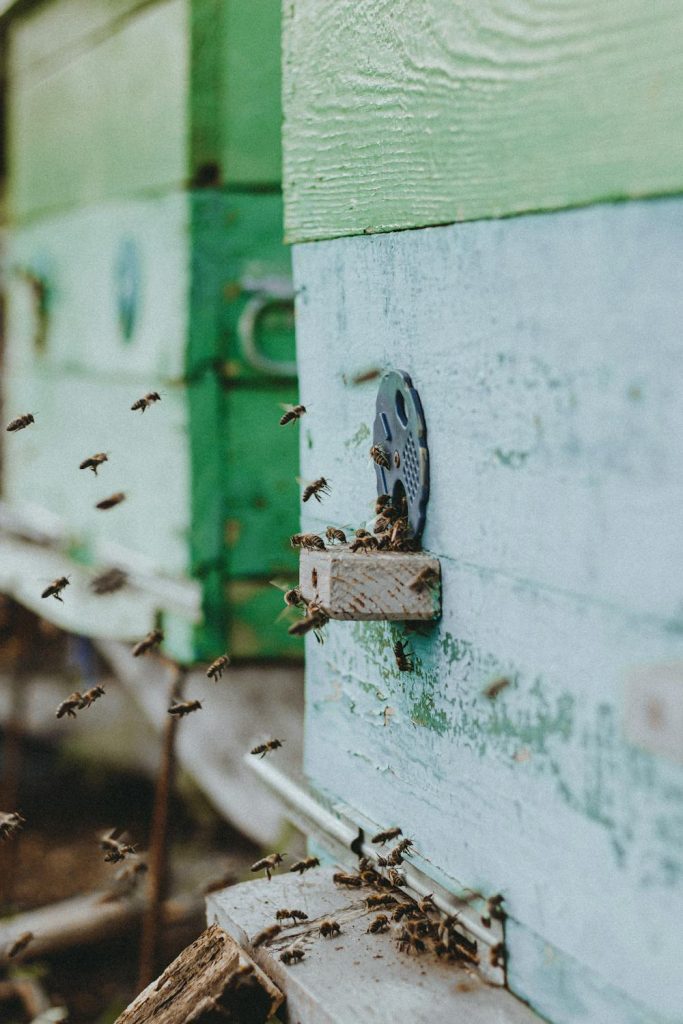
When I started beekeeping, I believed what most people do – that you need a sprawling backyard with flowering gardens to successfully keep bees. Like many urban dwellers, I thought my beekeeping dreams would have to wait until I moved to the countryside. I couldn’t have been more wrong!
The truth is, honeybees are incredibly adaptable creatures, and so are the methods we use to house them. In fact, bees often thrive in urban environments where there’s a diverse range of flowering plants, fewer agricultural pesticides, and slightly warmer temperatures than rural areas.
Today, I’m seeing an exciting surge in urban beekeeping. People living in apartments, condos, and townhouses are finding creative ways to keep bees without the traditional backyard setup. This growing movement isn’t just good for honey production—it’s vital for pollinator conservation, community education, and connecting people with nature in urban settings.
In this article, I’ll share everything I’ve learned about keeping bees in unconventional spaces. Whether you’re a city dweller with a tiny balcony or someone without any outdoor space at all, I’m confident you’ll discover that beekeeping is more accessible than you might think.
Everything You Should Know About Urban Beekeeping
Before diving into specific locations, let’s cover some fundamentals that apply to all urban beekeeping scenarios.
Space Requirements
Contrary to popular belief, a single beehive doesn’t require much physical space. A standard Langstroth hive has a footprint of about 22 inches by 16 inches—roughly the size of a small end table. With proper planning, you can certainly keep a hive or two in a modest space.
However, you do need to consider working space around the hive. When I inspect my urban hives, I need about 3-4 feet of clearance behind and to one side of the hive. This allows me to safely remove frames without bumping into walls or other obstacles.
Legal Considerations
Before setting up hives anywhere, check your local regulations. Many cities have embraced urban beekeeping with reasonable guidelines, while others have restrictions on hive numbers or placement. I’ve seen regulations ranging from simple registration requirements to specific setback distances from property lines.
For example, in New York City, beekeeping was legalized in 2010 and simply requires registration with the Department of Health. Chicago allows up to five hives per property. Vancouver permits beekeeping in residential areas with specific distance requirements from property lines.
If your local ordinances are unfavorable, don’t lose hope! Many beekeeping associations actively work to change outdated regulations, and I’ve witnessed several successful campaigns in recent years.
Critical Factors for Any Location
Regardless of where you place your hives, certain conditions are non-negotiable:
Sun exposure: Bees prefer morning sun to get active early. Ideally, hives should receive 6+ hours of direct sunlight daily, though partial shade during intense afternoon heat can be beneficial in warmer climates.
Protection from extreme elements: I’ve learned the hard way that hives need protection from strong winds and extreme weather conditions. In urban environments, this might mean creating windbreaks or ensuring adequate drainage.
Accessibility: You’ll need to visit your hives regularly for inspections and honey harvesting. Locations that require acrobatic maneuvers or special equipment to access can quickly become impractical.
Flight paths: Bees typically fly in a straight line up to 30 feet before gaining altitude. Positioning hives so this flight path doesn’t intersect with human traffic is crucial for peaceful coexistence.
See More: Beginner’s Guide: How to Start a Beehive in Your Backyard
7 Locations for Beehives
Now for the exciting part! Here are several proven locations where urban beekeepers have successfully established thriving colonies without a traditional backyard.
Rooftop Apiaries
Rooftops represent some of the most successful urban beekeeping locations I’ve encountered. Many famous examples exist, including hives atop the Paris Opera House, the Waldorf Astoria in New York, and numerous corporate headquarters worldwide.
I see several rooftop hives in my city, and they consistently outperform ground-level hives in honey production. Why? Rooftops offer excellent sun exposure, fewer pests, and proximity to diverse urban plantings. Plus, bees prefer to fly up and away from their hives, making rooftops ideal for minimizing human interaction.
Key considerations for rooftop beekeeping include:
- Structural capacity: Ensure the roof can support the weight of hives, which can reach 200+ pounds when full of honey.
- Access: You’ll need a safe, reliable way to transport equipment to and from the roof.
- Weather extremes: Rooftops can experience more intense wind and temperature fluctuations than ground-level locations.
- Water sources: Bees need water year-round, but especially during hot weather. On a roof, you’ll need to provide and maintain water sources consistently.
Balcony Beekeeping
Don’t have roof access? Balconies can make excellent apiary locations for one or two hives. My first urban hive was actually on my second-floor apartment balcony!
Successful balcony beekeeping requires thoughtful setup:
- Orientation: Position hives so bees fly outward, not into neighboring balconies or windows.
- Weight distribution: Place hives over load-bearing points, not in the center of the balcony.
- Privacy screens: Consider visual barriers that shield the hives from view and help direct bee flight paths upward.
- Compact equipment: Utilize nucleus colonies or horizontal hives that require less vertical space.
One of my friends keeps two healthy colonies on her 40-square-foot balcony while still having room for a small sitting area. Her neighbors have no idea the bees are there, and she harvests around 60 pounds of honey annually!
Community Gardens and Shared Spaces
Community gardens often welcome beehives as they directly benefit from increased pollination. I’ve helped establish successful apiaries in community gardens across three different cities, creating mutually beneficial relationships.
The community garden model works through:
- Shared responsibility: Multiple gardeners can take beekeeping classes and share hive management duties.
- Educational opportunities: Regular garden visitors learn about pollinators through observation and scheduled demonstrations.
- Resource sharing: Gardens often already have water sources, tool storage, and security measures in place.
If you’re interested in this approach, begin by attending garden meetings and gauging interest before formally proposing beehives. Offer to organize educational workshops and develop clear protocols for hive management.
Agricultural Partnerships
Small urban farms, vineyard operations, and orchard owners often welcome beekeepers who can provide pollination services. I’ve arranged several such partnerships where I maintain hives on their property in exchange for access and a share of the honey harvest.
These arrangements work because:
- The property owner gains improved pollination and potential increased yields
- You gain apiary space without needing to own property
- Both parties benefit from honey production
To find these opportunities, I recommend contacting urban farming initiatives, checking with university agricultural extensions, or directly approaching farmers at local markets.
Educational Institutions
Schools, universities, and nature centers increasingly incorporate beekeeping into their educational programs. I currently manage hives at two local universities and one elementary school, creating hands-on learning opportunities for students.
Educational settings offer several advantages:
- Institutional support for equipment and supplies
- Multiple stakeholders to share management responsibilities
- Built-in audience for educational presentations
- Secure locations with restricted access
When approaching educational institutions, emphasize the learning opportunities rather than honey production. Prepare a detailed proposal addressing safety protocols, educational integration, and management responsibilities.
Business Properties
Forward-thinking businesses increasingly view on-site beehives as demonstrations of environmental commitment. I’ve installed and managed hives for several businesses, including a local brewery that uses the honey in seasonal beverages.
Business locations often feature:
- Underutilized space suitable for beehives
- Marketing opportunities through “house honey” products
- Employee engagement through beekeeping programs
- Enhanced corporate sustainability profiles
When approaching businesses, prepare a professional proposal highlighting the benefits, addressing potential concerns, and clearly outlining responsibilities and costs.
Friend or Family Member’s Property
Sometimes the simplest solution is partnering with someone in your social network who has suitable space. My beekeeping journey began this way, with hives in a friend’s garden before I found more independent solutions.
These arrangements work best with:
- Clear written agreements about access, responsibilities, and honey sharing
- Regular updates and transparent communication
- Respect for property and primary usage of the space
- Willingness to relocate if circumstances change
This approach can be an excellent starting point while you develop your beekeeping skills and explore more permanent options.
Setup Tips for Alternative Locations
No matter which alternative location you choose, certain adaptations will help ensure success.
Security and Access
In shared or public spaces, security becomes a key consideration:
- Use hive locks or straps to prevent unauthorized opening
- Consider motion-activated cameras if vandalism is a concern
- Establish clear access protocols with property owners
- Maintain a regular visitation schedule to monitor for problems
I’ve found that proactive communication with all stakeholders significantly reduces security issues, as people tend to protect what they understand and value.
Water Source Solutions
Bees need reliable water sources year-round. In urban settings without natural water features, you’ll need creative solutions:
- Bird baths with landing spots (wine corks work well)
- Self-filling dog water bowls with floating elements
- Modified chicken waterers with pebble landing platforms
- Drip irrigation systems with collection points
Ensure bees don’t seek water from neighbors’ pools or birdbaths.
Flight Path Management
Directing bee flight paths upward helps prevent conflicts with humans:
- Position hives with entrances facing barriers that force upward flight
- Install screens or plantings 3-8 feet in front of hives
- Consider elevated stands that start bees higher off the ground
- Orient entrances away from walkways and gathering areas
My friend shared that on his rooftop apiaries, he position fabric screens about six feet in front of hive entrances, which effectively directs bees upward rather than across the roof space where people walk.
Neighbor Relations
Good neighbor relations are essential for successful urban beekeeping:
- Inform immediately adjacent neighbors before installing hives
- Offer honey gifts as goodwill gestures
- Provide educational resources about bee behavior
- Be responsive to concerns and questions
- Consider hosting an annual “honey day” for neighbors
I’ve found that most initial resistance comes from misunderstanding the behavior of honeybees. Once neighbors see how focused bees are on their foraging and how rarely they interact with humans, concerns typically diminish.
Weather Protection in Exposed Locations
Urban hives often experience more extreme weather conditions than protected rural settings:
- Secure hives against wind with straps or weights
- Provide winter windbreaks in exposed locations
- Consider shade options during extreme heat
- Ensure proper drainage on hard surfaces
- Monitor more frequently during extreme weather events
Addressing Common Concerns
Swarm Management in Urban Settings
Swarm prevention is particularly important in urban areas:
- Implement aggressive swarm prevention techniques (regular inspections, queen cell management)
- Maintain younger queens that are less prone to swarming
- Provide adequate space for colony growth
- Have capture plans ready for any swarms that do occur
Neighborhood Relations and Education
Proactive community engagement prevents conflicts:
- Host informal educational sessions for interested neighbors
- Develop simple informational materials addressing common concerns
- Be transparent about hive locations and management practices
- Respond quickly and respectfully to any issues that arise
Insurance and Liability Considerations
Urban beekeeping requires appropriate risk management:
- Consider beekeeping insurance offerings from bee associations
- Review homeowner’s or renter’s insurance policies for coverage
- Develop waivers for visitors to apiary locations
- Understand liability implications of different property arrangements
I recommend all urban beekeepers join their local and national beekeeping associations, many of which offer insurance programs specifically designed for our unique needs.
Managing Inspections in Alternative Locations
Routine management requires adaptation in urban settings:
- Schedule inspections during lower-traffic periods
- Use gentle techniques that minimize bee disturbance
- Keep smoke use minimal to avoid alarming neighbors
- Have a plan for transporting equipment and tools discreetly
- Maintain tidy, professional appearances during all apiary visits
Conclusion: 7 Places to Keep Bees Without a Backyard
The lack of a traditional backyard shouldn’t prevent anyone from experiencing the joy and benefits of beekeeping. Throughout my beekeeping journey, I’ve seen incredibly successful apiaries in locations ranging from tiny balconies to corporate headquarters, community gardens to school yards.
Urban beekeeping does require creativity, communication, and careful planning, but the rewards extend far beyond honey production. My urban hives have created educational opportunities, strengthened communities, improved urban pollination, and connected people with nature in unexpected ways.
If you’re passionate about beekeeping but limited by space, I encourage you to:
- Explore the alternative locations discussed in this article
- Connect with local beekeeping associations for region-specific advice
- Start small and expand as you gain experience
- Consider collaborative approaches if individual apiary space isn’t available
- Document and share your urban beekeeping journey to inspire others
With the right approach, your beekeeping dreams can thrive without a traditional backyard. The bees don’t mind where they live, as long as their basic needs are met!
What creative location will you discover for your urban apiary?




Leave a Reply