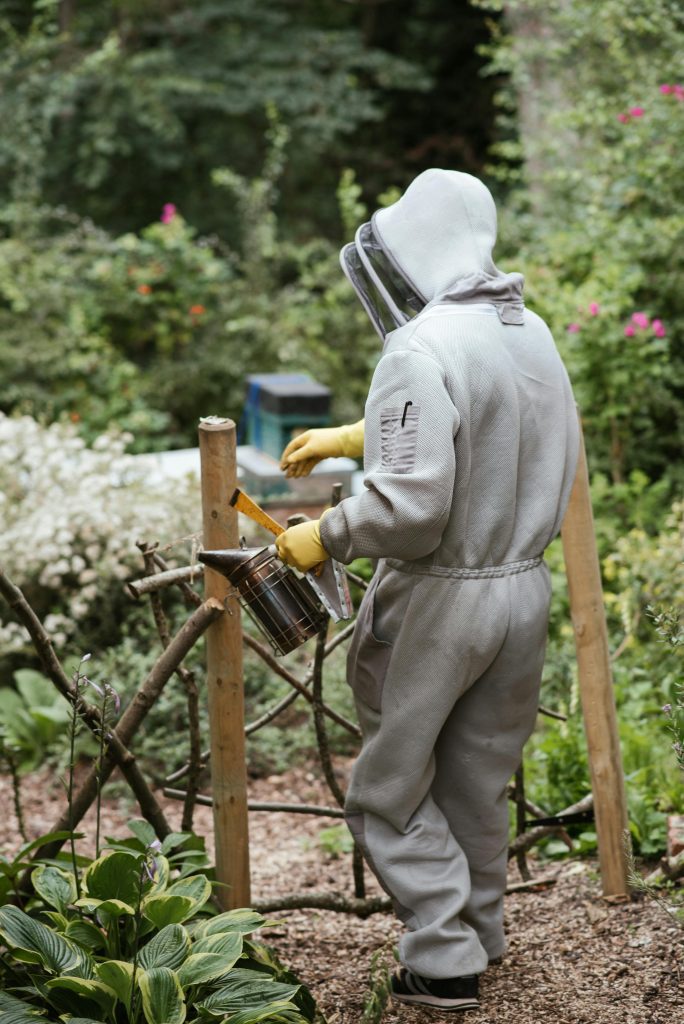
As a beekeeper, one of the most important decisions you’ll make is selecting the right beekeeping suit. Not only does it provide protection against bee stings, but it also ensures your comfort, mobility, and overall safety when you’re in the hive. After all, the goal is to work with your bees, not against them. When choosing a beekeeping suit, you need to consider a variety of factors, from material to fit, sting protection, and ventilation. In this article, I’ll guide you through the process of choosing the best beekeeping suit for your needs, so you can feel confident and safe during every hive inspection.
Types of Beekeeping Suits
Before you dive into the details, it’s important to understand the different types of beekeeping suits available. This will help you determine which style best suits your needs.
Full Suits vs. Jackets
A full beekeeping suit offers the most complete protection, covering your entire body from head to toe. These suits are ideal for new beekeepers or anyone who prefers full-body coverage. They come with an integrated veil, gloves, and boots, offering a high level of security against stings.
On the other hand, a jacket-style suit is a bit more lightweight and is often favored by more experienced beekeepers who prefer greater mobility and less coverage. These suits typically stop at the waist and feature a veil that protects the face, but they leave the legs exposed. A jacket can be more comfortable in warmer climates, but you’ll need to be cautious about potential stings to the legs.
One-Piece vs. Two-Piece Suits
Beekeeping suits come in both one-piece and two-piece varieties. A one-piece suit is a simple, full-body outfit that provides consistent coverage without gaps. It’s great for those who prefer convenience and minimal fuss. However, some beekeepers find the one-piece suit a bit less flexible, particularly when it comes to getting in and out of the suit.
Two-piece suits consist of a jacket and pants, giving you more flexibility and comfort when working with the bees. They allow for easier movement, and if you’re working in hot conditions, you can remove the jacket while keeping the pants on for added protection. They also tend to be easier to get on and off.
Specialized Suits
Depending on your beekeeping environment, you might consider a specialized suit. For example, if you’re working in a particularly hot climate, a suit with enhanced ventilation or cooling features will keep you more comfortable. For high-sting environments, such as areas with aggressive bees, you may want to opt for a thicker, more protective suit to minimize the chances of stings.
Choosing the Right Beekeeping Suit: Focus on Material Quality
The material of your beekeeping suit is essential because it directly impacts comfort, durability, and sting protection. There are a few key qualities to look for when considering the fabric:
Breathability
One of the most important aspects of a beekeeping suit is breathability. After all, you’ll likely be spending hours working in it, and you don’t want to overheat or feel suffocated by the fabric. Look for suits made from breathable materials such as cotton or polyester blends. These fabrics allow air to circulate, helping you stay cool and comfortable, especially during the warmer months.
Many modern beekeeping suits feature mesh panels that allow for even better airflow, which is an excellent option for beekeepers who live in hot climates. However, while mesh is great for ventilation, ensure that it is tightly woven to prevent bees from stinging through it.
Durability
Durability is another factor that should not be overlooked. The last thing you want is for your beekeeping suit to rip or wear down after just a few uses. A good-quality suit should withstand regular use and exposure to the bees without falling apart. Look for suits made from heavy-duty cotton or polyester blends. These materials are tough and designed to handle the wear and tear of beekeeping.
While durability is essential, make sure the suit isn’t too heavy or stiff, as this can impede your movement. A suit that balances durability with flexibility is ideal.
Pest-Resistance
Beekeeping suits are made to withstand more than just the physical demands of beekeeping; they also need to protect you from the bees. Materials that are too thin or loosely woven might allow bees to sting you through the fabric, which can be uncomfortable or even dangerous. To avoid this, look for suits with reinforced stitching or thicker fabrics in areas where bee stings are most likely, such as the chest, arms, and wrists.
Many modern suits feature special coatings or treatments to help keep bees from stinging through the fabric. These additional layers provide peace of mind, knowing that you’re better protected from bee stings.
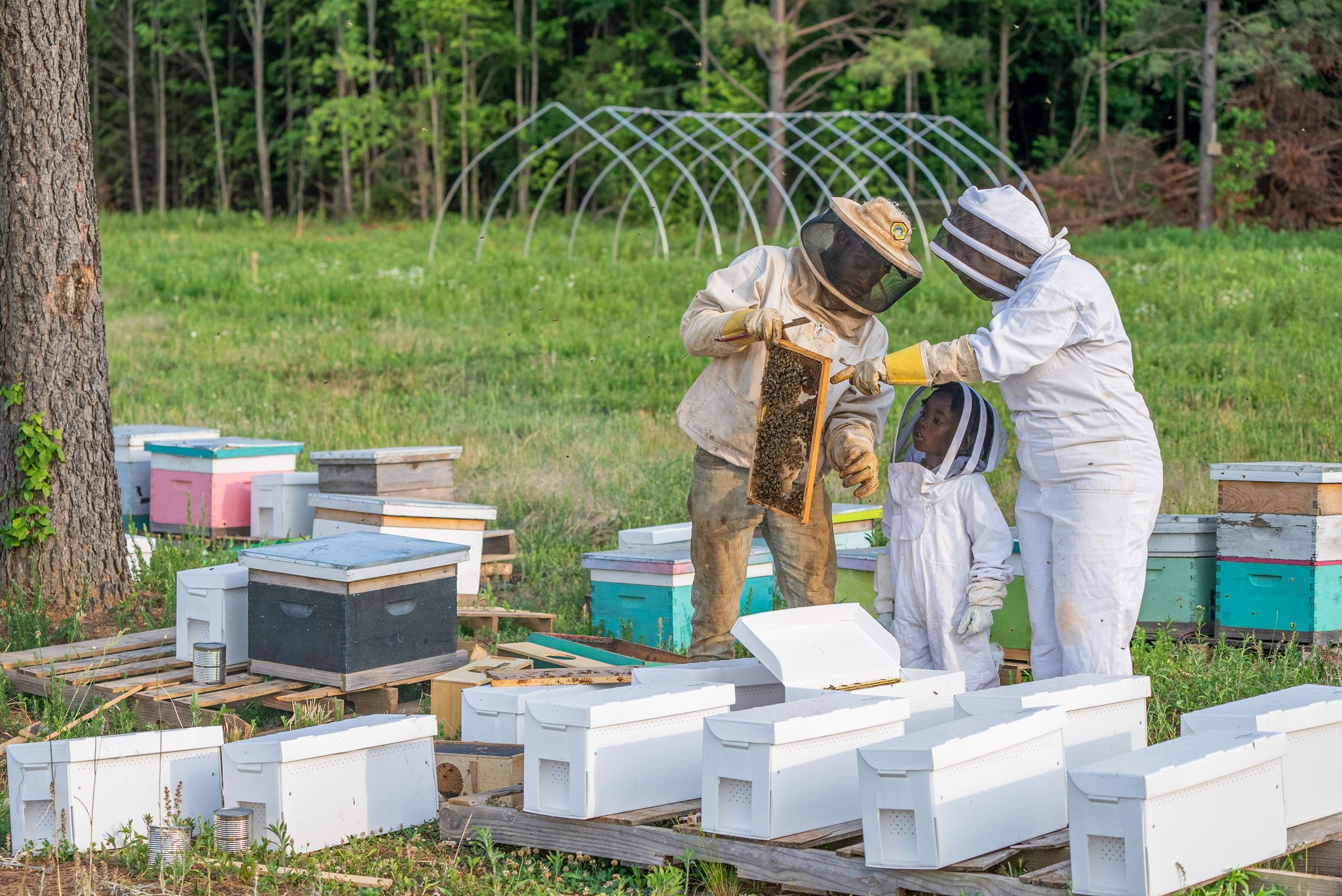
Choosing the Right Beekeeping Suit: Look for Proper Fit and Comfort
Comfort is paramount when choosing the right beekeeping suit. If you’re not comfortable, you won’t be able to focus on your bees and will likely struggle to complete your tasks. Here’s what to consider when it comes to fit:
Sizing Considerations
Proper sizing is key to ensuring that your beekeeping suit fits well and doesn’t restrict your movement. A suit that is too tight will be uncomfortable, while a suit that is too loose may leave gaps in the protection or get in the way of your movements. Be sure to consult sizing charts and measure yourself carefully before purchasing a suit.
Keep in mind that some beekeepers prefer a looser fit to allow for better movement, especially when working with the bees for extended periods. On the other hand, some people prefer a more fitted suit for increased comfort and a streamlined look.
Adjustable Features
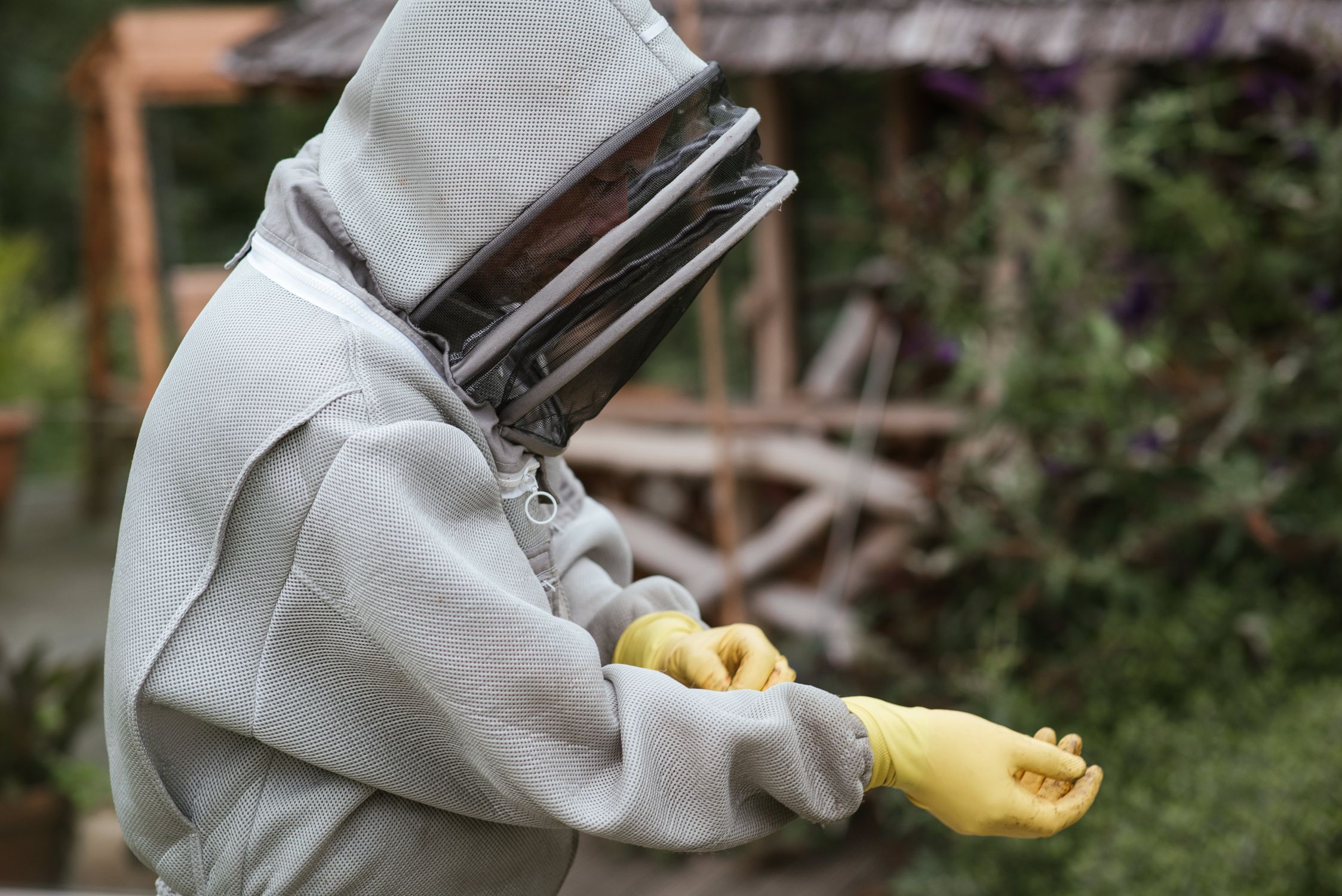
An adjustable suit allows you to customize the fit to your body. Look for features like adjustable hoods, cuffs, and waistbands. These allow you to tighten or loosen the suit to ensure it fits comfortably, but more importantly, they help keep bees from entering the suit through gaps. Adjustable cuffs at the wrists and ankles are a great addition to any suit, as they provide extra protection.
Room for Layers
If you’re working in cooler climates, you’ll need to consider the potential for layering underneath your beekeeping suit. Choose a suit that allows enough room for a layer or two of clothing underneath without becoming too tight or restrictive. This is especially important if you’re beekeeping during early spring or late fall when the temperatures can dip.
Choosing the Right Beekeeping Suit: Consider Sting Protection Features
When you’re choosing a beekeeping suit, the main goal is protection. You want to ensure that you’re as safe as possible from bee stings. Below are a few features to look for:
Double-Layering
Areas like the arms, legs, and chest are particularly vulnerable to bee stings, so you should look for suits that offer double-layered fabric in these zones. Double layers provide an added layer of protection and help prevent bees from stinging through the suit. This is especially important for beekeepers who deal with more aggressive or defensive bee strains.
Reinforced Areas
In addition to double layers, some suits come with reinforced stitching or additional padding in critical areas such as the wrists, ankles, and chest. These extra layers can provide a significant reduction in sting injuries, especially when dealing with stubborn or more active bees.
Integrated Veil
The veil is a key element in your beekeeping suit, as it protects your face, neck, and head from bee stings. Ensure that the veil is well-integrated into the suit to prevent any gaps where bees could potentially enter. Look for veils that offer clear visibility and comfort, with options for mesh or solid fabric depending on your preference.
See More: How to Become a Beekeeper
Choosing the Right Beekeeping Suit: Ventilation and Temperature Control
Beekeeping can be a physically demanding activity, and staying cool during hot days is essential for comfort and safety. Here’s how you can keep your temperature regulated:
Mesh Panels
Ventilation is key to staying cool in warmer weather. Many modern beekeeping suits feature mesh panels along the back, underarms, or sides. These panels allow air to flow freely, helping to regulate your body temperature. Just make sure the mesh is tightly woven to ensure the bees cannot sting through it.
Cool Suits
If you’re working in particularly hot climates, look for beekeeping suits that are specifically designed for cooling. Some suits come with built-in cooling systems, such as zippers for airflow or fabrics that are designed to wick away moisture and keep you dry. These cooling suits are ideal for long hours in the field on warm days.
Warm-Weather Suits
Conversely, if you’re working in colder weather, you’ll need a suit that retains heat but still allows for some ventilation. Look for insulated suits that keep you warm without overheating, allowing you to stay comfortable throughout your workday.
Choosing the Right Beekeeping Suit: Durability and Maintenance
A beekeeping suit should be easy to maintain and built to last. Here are a few things to consider when it comes to durability:
Stitching and Seams
A well-constructed beekeeping suit should have reinforced stitching and sturdy seams. This ensures that the suit will hold up over time, even after many hours of use. Pay attention to the quality of stitching in areas like the crotch, wrists, and ankles, where the fabric is most likely to experience stress.
Ease of Cleaning
Beekeeping suits can get dirty quickly, so you’ll want a suit that is easy to clean. Look for suits that are machine washable or that can be easily wiped down after use. Some suits even have stain-resistant coatings, which help keep them looking fresh and clean after several uses.
Stain and Odor Resistance
Beekeeping suits can get quite dirty from honey, beeswax, and other substances. A good suit should resist staining and odors. Choose a suit made from materials that are easy to clean and maintain their freshness, even after multiple uses.
Choosing the Right Beekeeping Suit: Price and Value for Money
When it comes to beekeeping suits, price can vary greatly depending on the brand, material, and features. Here’s what to keep in mind when considering price:
Budget-Friendly Options
If you’re just starting out, you may want to start with a more affordable suit. These suits may not have all the bells and whistles of higher-end models, but they can still provide adequate protection. Just make sure the material is durable and the suit offers the necessary coverage for your needs.
High-End Suits
For those who plan to beekeep regularly or in harsher conditions, investing in a high-quality suit may be worth the extra cost. Higher-end suits often come with better materials, additional features like ventilation or cooling systems, and more durable stitching. They’re designed to last longer and provide better comfort, making them a smart long-term investment.
Cost vs. Longevity
While it’s tempting to go for a cheap option, consider how much use you’ll get out of your suit. Sometimes, spending a little more upfront will save you money in the long run, especially if the suit lasts longer and offers more comfort and protection.
Choosing the Right Beekeeping Suit: Brand Reputation and Reviews
One final piece of advice is to consider brand reputation and reviews when choosing a beekeeping suit. Trustworthy brands that are known for quality products often offer the best value for your money. Look for customer reviews to get a sense of the suit’s performance in real-world conditions.
Trusted Brands
Look for well-known, trusted brands in the beekeeping community. Companies that specialize in beekeeping gear tend to offer high-quality products that are designed to withstand the demands of the job.
Customer Reviews
Customer reviews can provide valuable insights into the performance of a suit. Look for feedback from other beekeepers who have used the product, and pay attention to comments on durability, comfort, and overall protection.
Conclusion: How to Choose the Right Beekeeping Suit
Choosing the right beekeeping suit is about finding a balance between comfort, protection, durability, and value for money. By considering factors such as material quality, fit, sting protection, and ventilation, you can select the best suit to meet your specific beekeeping needs. Remember to prioritize comfort, as you’ll be wearing the suit for long periods, and ensure the suit provides sufficient protection to keep you safe while working with your bees.



Leave a Reply