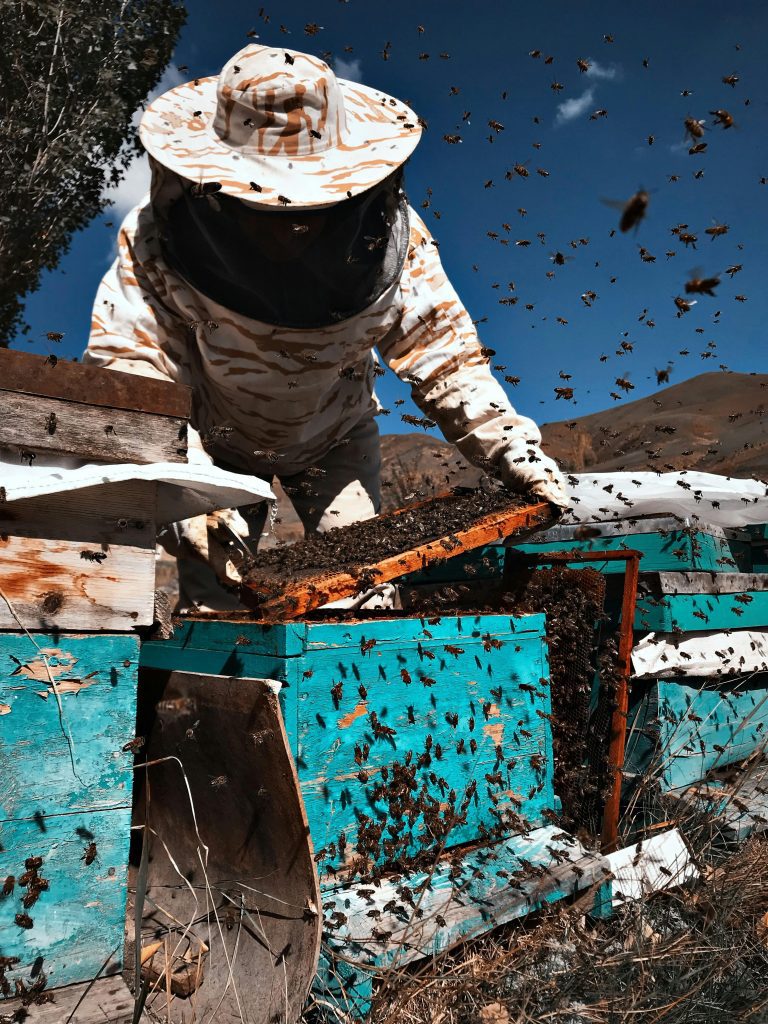
As a beekeeper, I know that bee stings are part of the territory, and though they’re usually not dangerous, they can be quite painful and frustrating. Whether you’re a novice or an experienced beekeeper, getting stung at some point is nearly inevitable. It’s crucial to know how to handle the sting quickly and efficiently, not just for comfort, but to prevent any further complications, such as swelling or infection.
In this article, I’m going to walk you through what happens when you’re stung by a bee, the best steps to take immediately after, and some natural remedies to reduce swelling.
How a Bee Sting Works
Before diving into what to do when you’re stung, let’s first take a moment to understand how a bee sting works. A bee’s sting is a defense mechanism – it’s the bee’s way of protecting itself and its hive. The sting contains venom that can cause a variety of reactions, from mild irritation to more serious allergic reactions. The sting is equipped with a barbed needle that lodges in the skin, delivering venom into the affected area.
When a bee stings, it typically dies afterward. However, not all bee stings result in immediate danger. The most common reaction is localized pain, swelling, and redness around the sting site. For most people, this reaction is temporary, but for others, it could be more severe. Recognizing these reactions and knowing how to handle them is key to reducing discomfort and preventing any serious consequences.
What to Do Immediately After a Bee Sting
A bee sting can be quite a shock, but it’s important not to panic. The quicker you take action, the less likely you are to experience severe swelling or complications. Here are the steps you should take as soon as possible after being stung:
1. Remove the Sting Quickly
One of the first things you should do is remove the sting. If a bee stings you, the venom is released into the skin through its stinger. The longer the stinger stays in, the more venom will be injected, making the pain and swelling worse. To avoid this, remove the stinger quickly.
The best way to remove a bee’s stinger is by scraping it out with a flat-edged object, like a credit card or your fingernail. Avoid using tweezers or pinching the stinger out, as this could squeeze more venom into the skin. Gently scrape the stinger from the skin in a quick motion. If you’re unable to remove it yourself, it’s important to get help from someone nearby.
2. Clean the Sting Site
After removing the stinger, the next step is to clean the affected area with soap and water. This will help prevent infection and ensure that any remaining venom is removed from the site. Make sure to wash the area gently without scrubbing, as scrubbing can irritate the sting further.
If soap and water are not available, you can use an antiseptic wipe or a clean cloth with water to clean the sting area. Keeping the area clean will reduce the risk of infection, which is crucial for your recovery.
3. Apply Ice
Now that the sting has been removed and the area is clean, applying ice or a cold compress is the next important step. Ice helps reduce swelling, numb the area, and alleviate pain by constricting blood vessels. Wrap some ice cubes in a clean cloth or use a cold compress and hold it against the sting site for 10-15 minutes.
Make sure to give your skin a break between applications. You don’t want to cause frostbite, so always use a cloth between the ice and your skin. Ice is especially helpful in the first few hours after being stung when the pain and swelling tend to peak.
Natural Remedies to Soothe Pain and Reduce Swelling
There are also several natural remedies that can help reduce swelling and discomfort from a bee sting. While these remedies might not replace medical treatment in extreme cases, they can be a great first line of defense. Let’s take a look at some of the best natural treatments for bee stings.
1. Honey
Honey is not only delicious, but it’s also packed with healing properties. Its antibacterial and anti-inflammatory qualities make it an excellent remedy for bee stings. Honey can help reduce swelling, prevent infection, and promote faster healing.
To use honey on a bee sting, simply apply a small amount directly onto the sting site and leave it for 15-30 minutes. You can also cover it with a clean bandage or cloth to keep the honey in place. After the allotted time, rinse the area gently with lukewarm water. You may notice the swelling start to subside after a few applications.
2. Aloe Vera
Aloe vera is another great natural remedy for bee stings. Known for its cooling effect, aloe vera can help soothe the pain and reduce swelling. Aloe also has anti-inflammatory properties, making it an ideal choice for reducing the redness and irritation associated with bee stings.
You can apply fresh aloe vera gel directly to the sting site, or use store-bought aloe vera gel. Make sure to apply a generous amount and leave it on for 30 minutes to an hour before rinsing. Aloe vera is safe and gentle enough to use multiple times a day, so you can apply it as often as needed.
3. Baking Soda Paste
Baking soda is another common household ingredient that can help relieve the pain and itching of a bee sting. When applied to the sting site, baking soda can neutralize the acidic venom and reduce inflammation. Baking soda is particularly effective for itching and swelling, which are common side effects of a bee sting.
To use baking soda, mix a small amount with water to create a thick paste. Apply the paste directly to the sting and leave it on for 15-20 minutes before rinsing off. You may feel immediate relief from itching and swelling as the paste works to neutralize the venom.
4. Essential Oils
Essential oils like lavender and tea tree oil are often used for their anti-inflammatory and soothing properties. Both oils can help reduce swelling and promote faster healing. They are also great for calming the skin and reducing the itchiness that can come with bee stings.
To use essential oils, dilute a few drops in a carrier oil like coconut oil or olive oil and apply gently to the sting site. Always patch-test essential oils on a small area of your skin first to ensure you don’t have an allergic reaction. These oils should be applied sparingly, as they are potent and can cause irritation if used undiluted.
When to Seek Medical Attention
While most bee stings are not serious, it’s important to know when to seek medical attention. If you experience any of the following symptoms, it may indicate an allergic reaction or other complications that require immediate attention:
- Severe swelling that extends beyond the sting site, especially on the face or neck
- Difficulty breathing or wheezing
- Dizziness or lightheadedness
- Rapid pulse or drop in blood pressure
- Nausea or vomiting
- Hives or rashes spreading across the body
These symptoms may signal anaphylaxis, a severe allergic reaction that can be life-threatening if not treated immediately. If you experience any of these signs, call 911 or seek emergency medical help as soon as possible. In these cases, carrying an epinephrine auto-injector (EpiPen) can be a lifesaver.
How to Prevent Bee Stings in the Future
As beekeepers, it’s important not just to know what to do after a sting but also to take steps to avoid getting stung in the first place. Here are a few tips to help minimize the risk of bee stings:
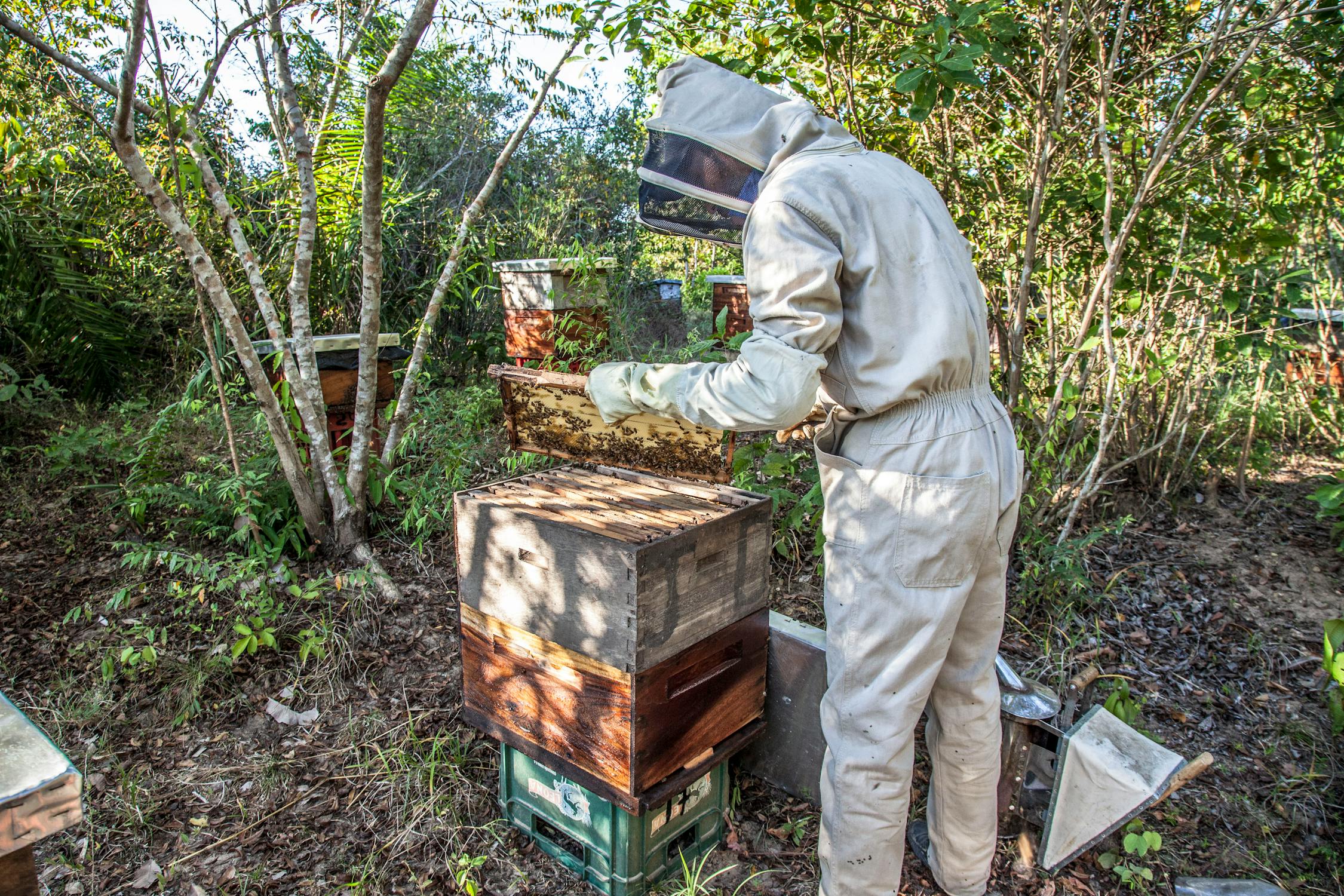
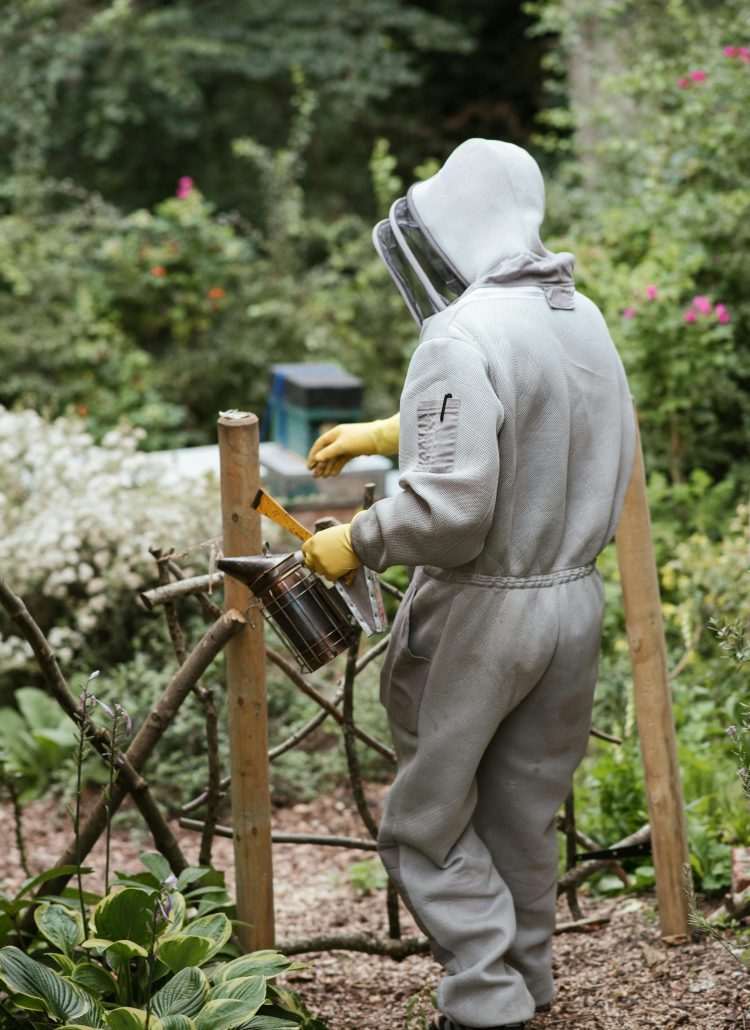
- Wear protective clothing: Always wear a beekeeping suit, gloves, and a veil when working with bees. This protective gear is essential in keeping stings to a minimum.
- Avoid fast movements: Bees tend to get agitated by sudden movements. Move slowly and deliberately when handling them.
- Don’t wear strong scents: Bees are attracted to strong smells like perfumes, lotions, and even sweat. Avoid wearing scented products when working near bees.
- Be aware of your environment: Bees are naturally drawn to bright colors, so wearing white or light-colored clothing can help keep them calm.
- Stay calm: If you are approached by a bee, try not to panic. Bees can sense agitation and may become more defensive. Remaining calm and still is the best way to avoid attracting them.
Conclusion: Bee Sting 101
Getting stung by a bee can be painful, but with the right steps, you can manage the situation effectively and minimize discomfort. By removing the sting quickly, cleaning the area, and using natural remedies, you can reduce swelling and speed up your recovery. Remember, while bee stings are usually not dangerous, knowing when to seek medical attention is crucial. With the proper precautions and knowledge, you can handle bee stings calmly and continue enjoying the benefits of keeping these incredible pollinators.
Always remember to stay safe around your bees, respect their space, and use the tips I’ve shared to make your experience as a beekeeper a little less painful and a lot more enjoyable!
See More: How to Become a Beekeeper


Leave a Reply