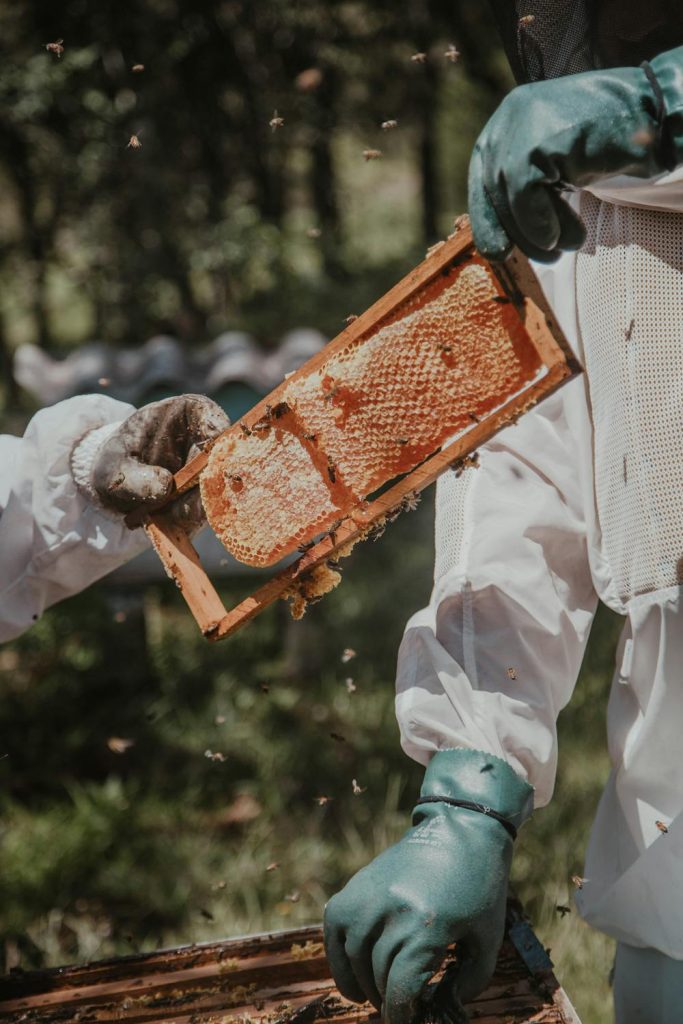
I’ve faced my share of beekeeping challenges. Few situations create as much anxiety as discovering a queenless hive. The queen bee is truly the heart of the colony, and when she’s missing, the entire future of your hive hangs in the balance.
I’ve written this comprehensive guide to help you identify a queenless colony quickly, understand what might have happened, and take the right steps to save your bees. Whether you’re a beginner beekeeper or have a few seasons under your belt, knowing how to handle this common emergency will make you a more confident and successful apiarist.
Why the Queen Bee Matters
Before diving into the signs and solutions, let’s quickly review why the queen is so essential. Unlike any other bee in the colony, the queen:
- Lays all the eggs (up to 2,000 daily during peak season)
- Produces pheromones that maintain colony cohesion and prevent workers from developing ovaries
- Determines the genetic makeup of the entire colony
- Influences virtually all aspects of colony behavior through her chemical signals
When a colony loses its queen, it’s not just missing its reproductive center—it’s losing the biological glue that holds the entire superorganism together.
See More: Inside the Hive: What Makes the Queen Bee So Special?
Signs of a Queenless Hive
Identifying a queenless hive early gives you the best chance of successful intervention. Here are the key signs I look for during my inspections:
Changes in Colony Behavior and Temperament
I’ve noticed that one of the first and most reliable indicators is a distinct change in how the colony behaves:
Increased Aggression: A normally docile colony suddenly becomes defensive and irritable. When I approach a typically gentle hive and immediately get “head-butted” by guard bees or face unusual stinging behavior, my queen alarm bells start ringing.
Disorganized Activity: Bees may seem confused at the entrance, with irregular coming and going patterns. I often see workers lingering at the entrance as if waiting for direction.
The “Roar”: This distinctive sound is hard to describe but unmistakable once you’ve heard it. When I open a queenless hive, there’s often a higher-pitched, more urgent buzzing—what old-timers call the “queenless roar.”
Physical Evidence in the Hive
When I inspect frames, I look for these telltale signs:
No Fresh Eggs or Young Larvae: The most definitive sign is the absence of eggs and young larvae. I always hold frames up to the sunlight, which helps illuminate the tiny, white eggs at the bottom of cells.
Declining Brood Pattern: If I see some brood but the pattern is spotty or irregular (when it was previously solid), this suggests the queen died recently or is failing.
Emergency Queen Cells: Finding queen cups or cells, especially on the faces of frames rather than the bottom edge, indicates the workers know they’re queenless and are trying to raise an emergency replacement. These cells look like peanut shells hanging vertically from the comb.
Laying Workers: In long-term queenless situations, worker bees will begin laying eggs. I look for multiple eggs per cell and eggs positioned on the sides of cells rather than centered at the bottom—a sure sign of laying workers. These eggs will only develop into drones, creating a “drone-laying colony.”
Colony Population Changes
The colony’s demographics also tell a story:
Declining Population: Without new brood, the colony gradually shrinks as older workers die off and aren’t replaced.
Age Imbalance: A colony that’s been queenless for a while will have a higher proportion of older forager bees and fewer young nurse bees, which changes the overall energy of the hive.
Common Causes of Queen Loss
Understanding why queens disappear helps prevent future losses. Here are the most common causes I’ve encountered:
Natural Causes
Queen Age: Queens typically live 3-5 years but peak egg-laying happens in years 1-2. An older queen might die naturally or be superseded by the colony.
Failed Mating: New queens must leave the hive for mating flights, during which they’re vulnerable to predators, bad weather, and disorientation. Not all return.
Disease or Parasites: Queens can succumb to nosema, viral infections, or even varroa mite damage if they were infested as developing larvae.
Beekeeper Errors
I’ve made my share of mistakes over the years, and unfortunately, some have cost me queens:
Inspection Damage: Accidentally crushing or injuring the queen during hive inspections happens to even experienced beekeepers. Queens are particularly vulnerable when they run across the tops of frames as we manipulate them.
Poor Requeening Technique: Introducing a new queen improperly often results in rejection and queen death.
Excessive Disturbance: Too-frequent or rough inspections can stress a colony to the point where they supersede (replace) their queen or cause her to flee the hive.
Environmental Factors
Pesticide Exposure: Queens can be particularly susceptible to certain pesticides that affect reproduction or cause direct mortality.
Extreme Weather: Sudden cold snaps or extreme heat can kill queens, especially if they’re already weak.
Predator Attacks: In some areas, skunks, bears, and even some birds target queens when hives are open or disturbed.

How to Confirm a Queenless State
Before taking action, I always make sure I’m dealing with a truly queenless colony. Here’s my methodical approach:
Thorough Inspection Technique
I start with a calm, deliberate inspection on a warm, clear day when most foragers are out:
- Smoke Sparingly: Too much smoke can mask pheromones and drive the queen into hiding.
- Check the Middle Frames First: Queens are often found on frames with eggs and young larvae.
- Look for Eggs Before Looking for the Queen: Eggs mean she was present within the last three days, even if you can’t find her.
- Use Natural Light: I hold frames with the sun behind me to illuminate eggs and tiny larvae.
- Examine Every Frame: A thorough search is necessary, especially with dark or unmarked queens.
The Egg Test
If I’m unsure after a complete inspection, I perform this simple test:
- I borrow a frame with fresh eggs from another healthy colony
- I place this frame in the center of the suspected queenless hive
- I check back in 2-3 days
If I find queen cells being drawn on the introduced frame, it confirms the colony knows it’s queenless. If they don’t build emergency cells, either they have a queen I missed or they have a virgin queen who hasn’t started laying yet.
What to Do Next
Once I’ve confirmed a queenless situation, I assess which intervention makes the most sense based on the colony’s condition, the time of year, and available resources.
Option 1: Allow Natural Requeening
If the colony has eggs or very young larvae (less than 3 days old), they can raise their own queen. This is what I consider:
Advantages:
- The new queen will carry the genetics of your original colony
- No cost for purchasing a queen
- No introduction issues to overcome
Disadvantages:
- Takes 3-4 weeks before the new queen starts laying
- Success isn’t guaranteed
- Emergency queens may be of lower quality than those raised under swarming conditions
I typically choose this option when:
- It’s spring or early summer with plenty of drones available for mating
- The colony is strong with abundant resources
- I have time to wait for the process to unfold
Option 2: Introduce a Mated Queen
Purchasing and introducing a mated queen provides the fastest recovery, which is critical in some situations:
Advantages:
- Queen can begin laying within 1-3 days after introduction
- You can select for specific traits or genetics
- Higher success rate in restoring the colony
Disadvantages:
- Cost ($25-$50 per queen, typically)
- Risk of rejection
- Limited availability depending on season
My queen introduction protocol:
- I remove any emergency queen cells the colony has started
- I place the queen cage between central frames, with the screen exposed
- I make sure the candy plug is exposed but not removed
- I close the hive and wait 3-5 days before checking
- If the queen hasn’t been released after 5 days, I release her manually (but only if bees on the cage are behaving calmly)
Option 3: Add a Queen Cell
If I have access to queen cells from another colony that’s requeening naturally or from a queen breeder, this can be a good middle ground:
Advantages:
- Less expensive than a mated queen
- Better acceptance rates than adult queens
- Faster than waiting for emergency queen development
Disadvantages:
- Still requires waiting for emergence, mating, and the start of laying
- Vulnerable to damage during installation
- Weather-dependent success for mating
Option 4: Combine with a Queenright Colony
Sometimes, especially late in the season, the best option is to combine the queenless colony with a healthy one:
Advantages:
- Saves bees that would otherwise dwindle and die
- Strengthens an existing colony
- Preserves resources and equipment
Disadvantages:
- Loss of a separate colony
- Potential fighting if not done correctly
My newspaper combination method:
- I remove any frames with no bees/brood/honey to create space
- I place a single sheet of newspaper over the top of the stronger, queenright hive
- I make several small slits in the paper with my hive tool
- I place the queenless hive on top, without its bottom board
- The bees chew through the paper gradually, allowing pheromones to mix slowly and preventing fighting
Special Case: Dealing with Laying Workers
When a colony has been queenless too long and laying workers have developed, the situation becomes more challenging as these colonies often reject introduced queens. Here’s my approach:
- Move the Entire Hive: I move the hive about 2 yards away from its original position
- Shake Out All Bees: I shake every bee from every frame onto the ground (not back into the hive)
- Return the Empty Hive: I put the equipment back in the original location
- Add a Frame of Open Brood: I place a frame of open brood with nurse bees from another colony
- Introduce a New Queen: Using the cage method described above
The theory here is that the laying workers, who have become more like foragers, will get disoriented and not return to the hive, while the actual foragers will find their way back to the original location. This essentially resets the colony.
How to Prevent Future Queen Loss
After dealing with a queenless emergency, I always evaluate what went wrong and how to prevent it in the future:
Improve Inspection Techniques
- I use indirect smoke and move deliberately
- I inspect frames over the open hive so a dropped queen falls back in
- I minimize inspections during extreme weather
Mark Queens
I mark all my queens with the international color code (white, yellow, red, green, or blue depending on the year). This makes them:
- Easier to find during inspections
- Simpler to identify if superseded
- Possible to track for age
Create Backup Nucleus Colonies
I maintain several nucleus colonies (nucs) during the active season, which serve as:
- Queen banks in case of emergency
- Sources of frames of brood and eggs
- Insurance against queen failures in production colonies
Practice Regular But Brief Inspections
I check for eggs rather than the queen when possible—presence of eggs means she was there very recently, and this approach reduces the risk of harming her.
Conclusion: Queenless Hive: Signs, Causes & What to Do Next
Discovering a queenless hive can be alarming, but with the right knowledge and tools, it’s a manageable situation. The key takeaways from my years of handling queen issues are:
- Early Detection Saves Colonies: Regular inspections checking specifically for eggs and young larvae catch problems before they become crises.
- Choose Your Intervention Based on Timing: What works in May might not work in September.
- Always Have a Backup Plan: Whether it’s maintaining nucs, keeping extra equipment, or having a relationship with a queen breeder, prepare for queen emergencies before they happen.
- Learn From Each Experience: Every queenless situation teaches something valuable about colony dynamics and management.
Remember, even experienced beekeepers lose queens and colonies sometimes. The measure of a good beekeeper isn’t never having problems—it’s how effectively you respond to the inevitable challenges that arise.
Have you faced a queenless hive situation? What solution worked best for you? Share your experiences in the comments below, and let’s continue learning from each other.



Leave a Reply