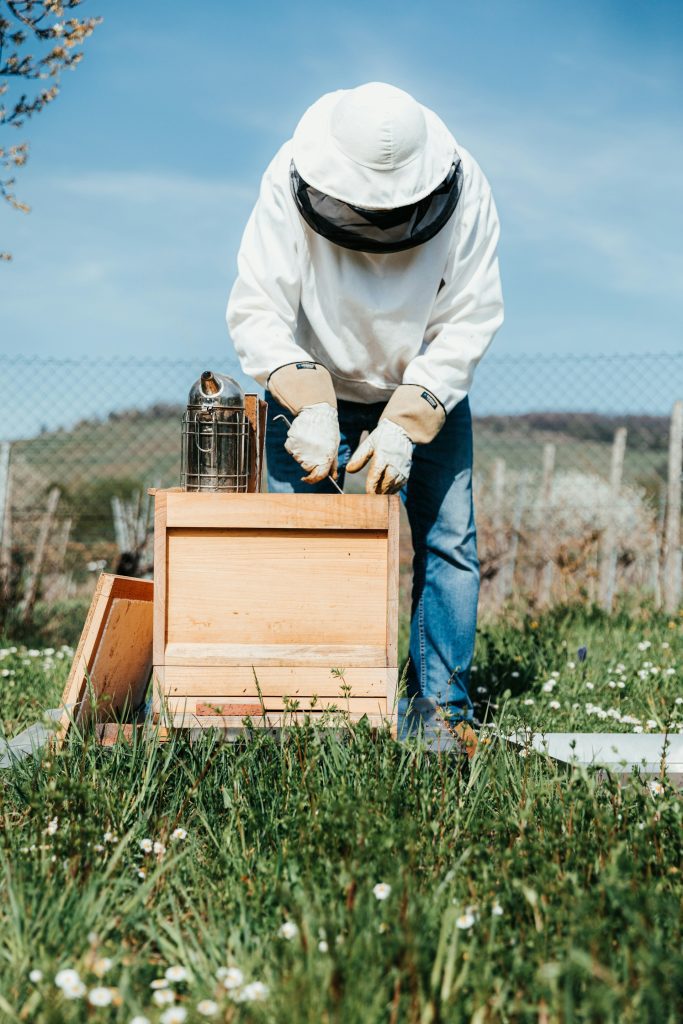
I still remember the mix of excitement and nervousness I felt installing my first package of bees. Those tiny creatures have since become a big part of my life. Bee warned – Beekeeping can become something of an obsession. Whether you’re looking for a new hobby, wanting to live more sustainably, or simply curious about where your food comes from, beekeeping might be the perfect fit. Let me walk you through the top 7 reasons why I believe you should consider starting your own apiary adventure this year.
1. Help Save the Bees
If you’ve been paying attention to environmental news over the past decade, you’ve likely heard about the alarming decline in bee populations worldwide. Colony Collapse Disorder, pesticide use, habitat loss, and climate change have all contributed to putting these essential pollinators at risk.
By becoming a beekeeper, you’re taking direct action to support bee populations. A single well-managed hive can house upwards of 60,000 bees during peak season. That’s 60,000 pollinators that might not otherwise exist in your local ecosystem!
Depending on where you live and how many bees live in your neighbourhood already, you could play a part in transforming your area. Bees naturally prefer native wildflowers, so ones that are rare could appear again, and neighbours can report better fruit yields in their gardens. One elderly gentleman I spoke to swears his apple tree never produced fruit until his neighbour’s bees arrived, I’m not sure if I believe that or not but it’s a good story!
Importantly, hobby beekeepers tend to use fewer chemicals and more sustainable practices than commercial operations. We can give our colonies the individual attention they need, spot problems early, and implement gentler solutions. This approach helps develop stronger, more resilient bee genetics in your local area.

2. Harvest Your Own Honey
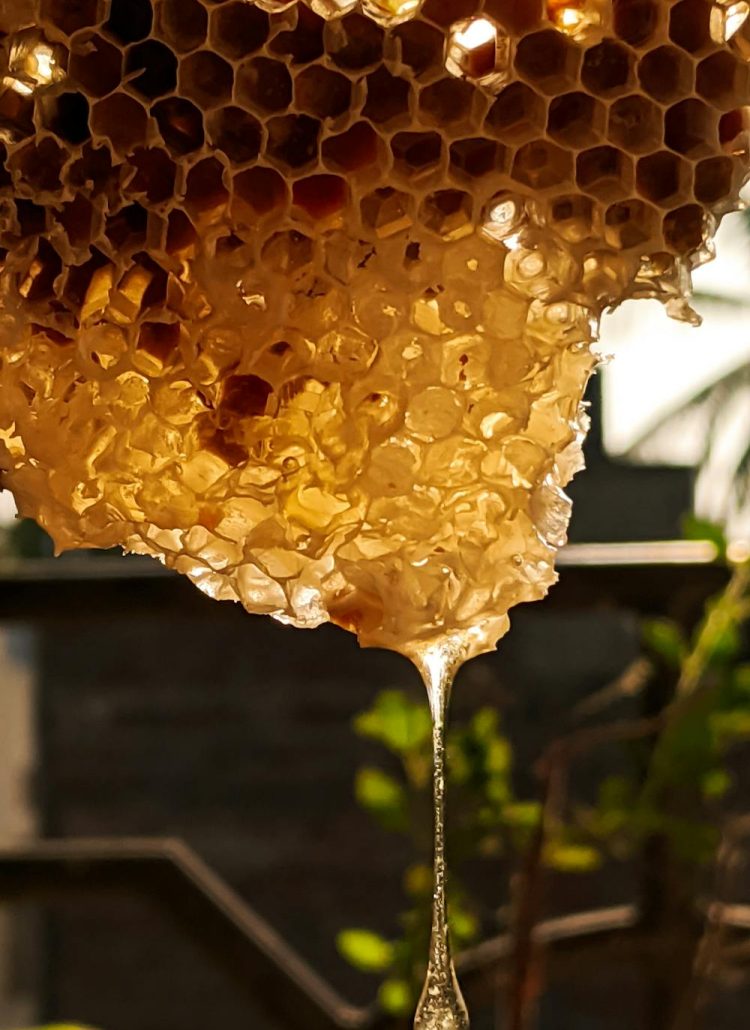
There’s nothing quite like the experience of harvesting your very own honey. It is extraordinary once you know that your bees have visited masses of different flowers to produce it. The taste? Incomparable to anything you’ll find on grocery store shelves.
Store-bought honey often lacks the complexity and character of local honey. When you harvest your own, you’re tasting the unique floral composition of your specific region. In my area, spring honey is much lighter and delicate than the later Summer heather honey.
A single healthy hive can produce anywhere from 10 to 100+ pounds of surplus honey annually, depending on your location and seasonal conditions and depending on how much you want to take from them. That’s plenty for your family, with extra to share with friends or even sell at local markets.
Beyond its exceptional taste, there’s an indescribable satisfaction in producing your own natural sweetener. It creates a direct connection to your food source that few other experiences can match. Plus, you control the entire process, ensuring your honey remains raw, unfiltered, and packed with all its natural enzymes and beneficial properties.
See More: Raw Honey vs. Processed Honey: Which is Better?
3. Pollination Benefits for Your Garden
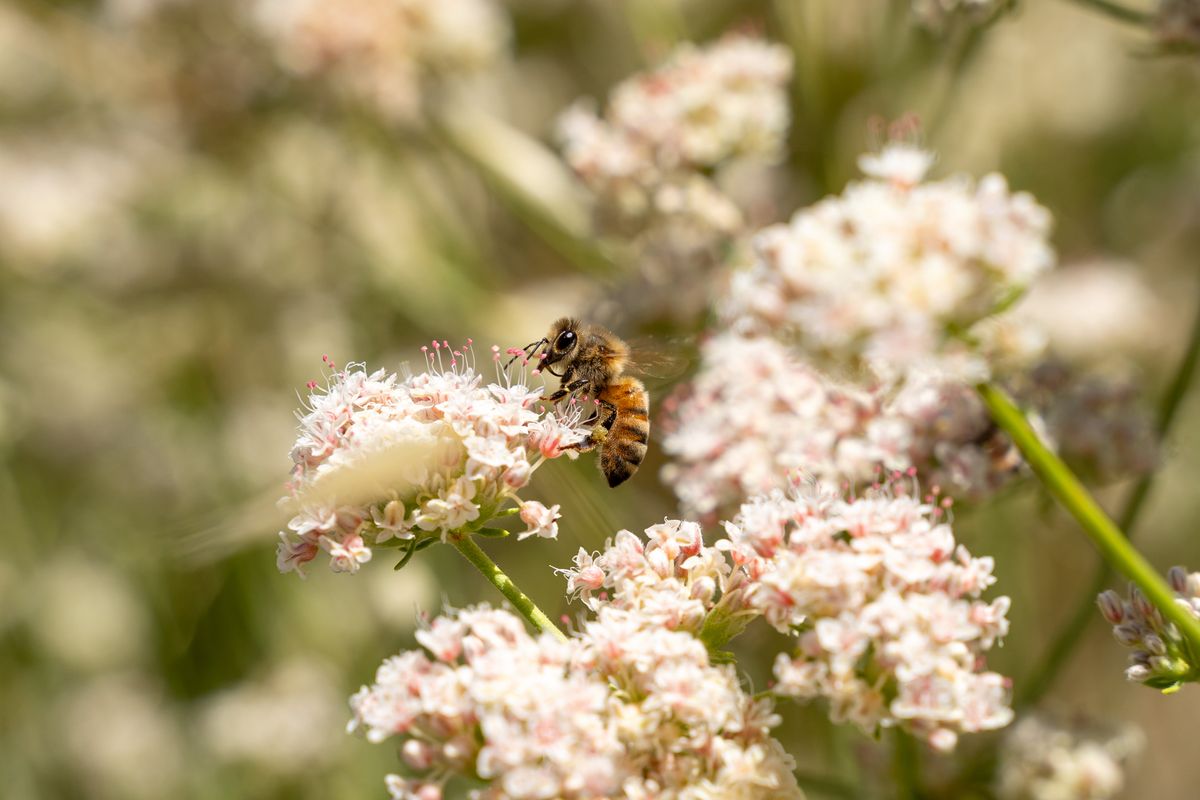
If you’re a gardener, adding beehives to your property is like hiring thousands of tiny, tireless workers. Honeybees typically forage within a 2-3 mile radius of their hive, but they’ll always be buzzing around your garden and I’m hoping mine gets priority service.
Having any bees in your garden can improve your vegetable yields significantly. The ones that benefit the most are Cucumbers, Zucchini (courgettes), Squashes, Pumpkins, Melons, Tomatoes (while not bee-dependent, they benefit from “buzz pollination” that some bees provide) peppers, beans and peas (less dependent, but still benefit). Fruit trees also benefit a lot.
The pollination benefits extend beyond just quantity – fruit and vegetable quality improves too. Properly pollinated fruits tend to be more symmetrical, larger, and better developed. One study showed that bee-pollinated strawberries were more uniform in shape and had a longer shelf life than those pollinated by other means. The research was published in the 22 January 2014 issue of the Proceedings of the Royal Society B: Biological Sciences.
Even plants that don’t strictly require honeybee pollination often benefit from their visits. Tomato plants, which can self-pollinate, produce noticeably better when the bees are around to vibrate the flowers and distribute pollen more effectively.
4. Additional Hive Products
While honey might be the most obvious reward from beekeeping, it’s just the beginning. A well-managed hive produces several valuable substances that most people pay premium prices for.
Beeswax has been a favorite byproduct of most beekeepers. You can start by making simple candles and lip balms but there is a possibility to expand into creating natural furniture polish, food wraps, face creams and anything else that uses beeswax. Beeswax candles burn longer and cleaner than paraffin, with a subtle honey scent that fills the room. One hive can produce enough wax annually to make dozens of candles and other products.
Propolis, a resinous mixture bees collect from tree buds and sap, has impressive antimicrobial properties. It’s used to make tinctures for sore throats, skin salves for minor cuts, homemade toothpaste and mouthwash. They are all fairly straightforward to make at home.
For the more advanced beekeeper, there’s also royal jelly and bee pollen collection. This is something I have yet to investigate (I do mention more advanced beekeeping!). Royal jelly is the special food bees make to develop a queen and is prized for its potential health benefits. Bee pollen is packed with proteins and nutrients. Adding a spoonful to a morning smoothy or cereal during allergy season, can help reduce seasonal symptoms of hay fever.
These additional products can transform your beekeeping hobby into a small business if you’re interested. Many start selling their honey and beeswax products at farmer’s’markets or at their gate, but I do think you need several hives for that and you do need to make sure your products conform with your national/local regulations.
See More: How Bee Products Support Your Well-Being
5. A Fascinating Hobby That Connects You With Nature
In our increasingly digital world, beekeeping offers something refreshingly analog. There’s no app, no screen, no notification – just you, protective gear, and thousands of buzzing insects going about their ancient work.
I’ve found hive inspections to be almost meditative. You must move slowly, deliberately, and with full attention. This mindful practice forces you to slow down and be present in a way few other activities do. The gentle hum of contented bees working has become my favorite sound in the world.
Beekeeping will transform how you perceive your environment. You’ll start noticing which plants bloom when, how weather patterns affect nectar flows, and how seasonal changes influence bee behavior. I am fascinated by what colour pollen comes from which plants (it’s not always as obvious as you might think).
This deepened connection with nature extends beyond just bees. I’ve become more attentive to all pollinators and insects in my garden. I’ve planted a native hedge to support biodiversity, and eliminated pesticide use completely. My property has become a small wildlife sanctuary, with increased bird visits and butterfly populations that bring me daily joy.

6. Relatively Little Space Required
Compared to many hobbies or small livestock ventures, beekeeping requires only a small space for one hive. Especially when you consider the crop you can receive from it.
My 6 chickens take up a lot more space and require more input on a daily basis than my bees do. Added to which, (don’t tell them I said so), they’re a lot less productive and noisier than bees.
See More: Beekeeping Starter Kits: What Every Beginner Needs to Get Started
7. Health Benefits
Beekeeping has been proven to improve your physical and mental health. The physical aspect is straightforward – lifting boxes full of honey (which can weigh 40+ pounds), squatting to inspect lower hive bodies, and walking backwards and forwards to watch them and carry bits of assorted equipment out there keeps you active.
The mental health benefits can be even more profound. Working with bees requires full attention – you simply cannot check your phone or think about work deadlines while handling frames covered in stinging insects! This forced mindfulness can become your most effective stress management tool.
The connection with seasons and natural cycles also improves mental outlook. Winter is a restful pause from tending the bees. The bees are clustered in their hive, waiting for spring just as I am. There’s something deeply comforting about this alignment with nature’s rhythms.
Many beekeepers, myself included, also report health benefits from hive products. Local honey helps with seasonal allergies. Propolis tincture soothes sore throats, and honey applied topically helps minor burns and cuts heal remarkably well.
There’s even emerging research on “apitherapy” – the therapeutic use of bee products, including controlled bee venom exposure. While I have no experience of this, the claim is, a sting, in certain specific meridian points can help a variety of illness.

Next Steps to Start Beekeeping
If these reasons have convinced you to explore beekeeping, here’s how to take your first steps:
- Connect with local beekeepers: Join your area’s beekeeping association. Nothing compares to hands-on mentorship from experienced keepers familiar with your specific climate and challenges.
- Take a course: Many associations, community colleges, and extension offices offer beginner beekeeping courses. I highly recommend completing one before getting your first hive.
- Read widely: My beekeeping library has grown steadily over the year. Start with beginner-friendly books like “Beekeeping for Dummies” or “The Backyard Beekeeper,” but don’t stop there.
- Start small but plan for growth: Begin with one or two hives at most. This gives you manageable experience without overwhelming investment or risk. However, design your apiary with future expansion in mind as it does get addictive.
- Order equipment early: If you plan to start in spring, order your equipment in winter. Suppliers often sell out of bees and essential equipment during peak season.
- Consider your neighbors: Check local ordinances regarding beekeeping, and consider speaking with neighbors before setting up hives. A jar of future honey goes a long way toward earning support!
- Prepare your site: Choose a location with morning sun, afternoon shade (in hot climates), protection from strong winds, and a nearby water source.
See More: How to Become a Beekeeper
Conclusion: 7 Reasons You Should Start Beekeeping Today
Beekeeping is great fun and very social which can enrich your life beyond what I could have imagined when I installed that first nervous package of bees. It has connected me with nature, with my community, and with an ancient tradition that humans have practiced for thousands of years.
The rewards – from the sweet honey to the environmental impact to the meditative practice – create a uniquely satisfying experience that few other hobbies can match. In our disconnected, digital world, beekeeping offers something authentic, tangible, and deeply meaningful.
I won’t promise it will always be easy. You’ll get stung occasionally. You’ll make mistakes and lose colonies. You’ll feel confused and overwhelmed at times. But I can promise that the journey is worth it. That moment when you stand in your yard watching thousands of bees returning with pollen baskets full, knowing you’ve helped create this thriving colony, brings a satisfaction that’s hard to put into words.
So consider this your gentle nudge toward beekeeping. Our planet needs more bee advocates, and those little buzzers need more caring stewards. Plus, your breakfast toast is crying out for some truly exceptional honey. Why not answer the call?
Have you started your beekeeping journey, or are you considering it? I’d love to hear your questions or experiences in the comments below! And if you found this article helpful, please share it with others who might be interested in becoming beekeepers.


Leave a Reply