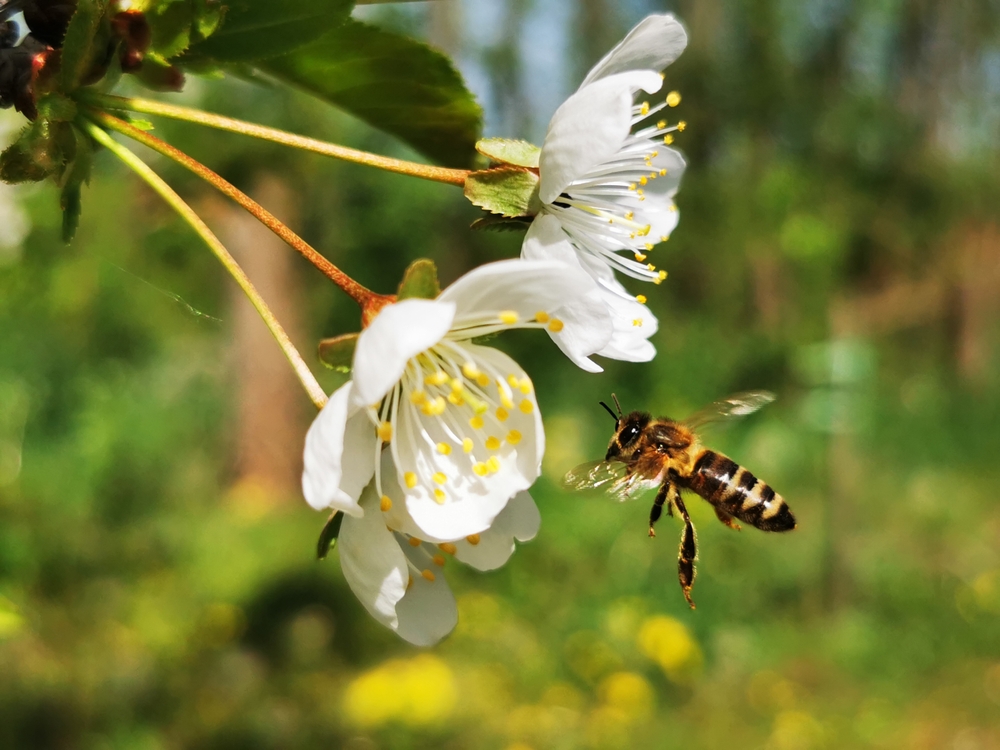
It’s important to choose the right bees for your environment because not all honey bees perform equally in all areas. Bees like most creatures, adapt to the weather, flora and fauna from within their district. Which is why most beekeepers recommend getting a swarm from your local beekeeping club, or buying bees, or if you are lucky being given bees from within your locality. Unfortunately there is a growing trend to import bees from Italy and Greece.
Why Importing Bees Is Not a Good Idea.
British Natives (Apis mellifera mellifera)
These dark, hardy bees are well-adapted to our climate, particularly the often damp conditions of the New Forest. They’re excellent foragers in cooler weather, which is perfect for our extended spring flowering period. While their reputation for defensiveness isn’t entirely undeserved, I’ve found colonies from good breeding stock to be perfectly manageable.
Buckfast Bees
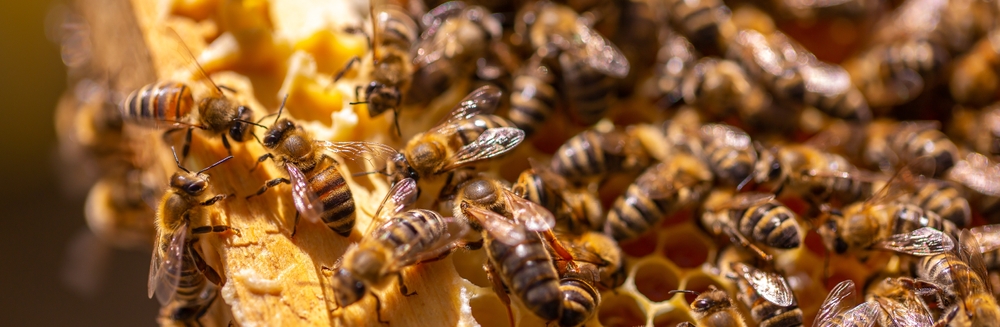
Developed at Buckfast Abbey in Devon, these bees combine gentleness with productivity – a good choice for beginners or those with closer neighbors. They forage well in the diverse New Forest flora and show good disease resistance.
Local Hybrids
Whatever you start with, they soon become locally-adapted hybrids as if (when) you lose a Queen, your new Queen will be mating with local drones. These bees have developed natural resistance to regional pests and diseases while adapting to our specific foraging conditions.
Where to Source Bees
I strongly recommend buying nucs (small starter colonies) from local breeders. The local Beekeepers Association can connect you with reputable sources. Expect to pay £150-300 for a good quality 5-frame nuc. Don’t forget to make sure it comes in the same size as your hive or it will get complicated for a beginner. Here’s a link to the site where you can find your local bee keeping association and source the right bees for your local environment.
Alternatively, joining the local swarm collection list is an economical way to acquire bees, though these will need more careful management initially. If you want to read about how to locate your hive in the right place here’s an article I wrote previously.
The Brockenhurst Beekeeping Calendar
Beekeeping tasks follow the seasons, and in Brockenhurst, our calendar has some unique features:
Spring (March-May)
The New Forest awakens early, with willow, gorse, holly, hawthorn, and blackthorn providing crucial early forage. This is when:
- Colonies build up rapidly after winter
- Queens resume full egg-laying
- First inspections begin (usually mid-March when temperatures reach 14°C)
- Swarm prevention becomes essential (especially by April)
In the forest, spring nectar flows can be explosive when weather conditions align. Be prepared to add supers earlier than beekeeping books might suggest. It’s sometimes necessary to add a super in early April during mild springs and this year when the weather has been unusually hot and dry many people have had large honey crops.
Summer (June-August)
Summer in Brockenhurst brings our most diverse forage period:
- Sweet chestnut in the ancient woodlands
- Bramble in forest clearings
- Lime trees around the village
- Heather on the open heath (starting late July)
This diversity means:
- Weekly inspections are essential
- Multiple honey harvests are possible, we are lucky to have 2 potential harvests.
- Careful varroa monitoring and management is crucial
The heather honey flow is what makes New Forest beekeeping special. This thick, gel-like honey is prized for its distinctive flavor but requires special handling and extraction techniques.
Autumn (September-October)
As summer fades:
- Complete heather honey harvest by mid-September
- Begin feeding colonies for winter (use heavy syrup – 2:1 sugar to water)
- Treat for varroa mites after removing honey supers
- Ensure adequate ventilation for our sometimes damp autumn weather
The autumn ivy flow provides important winter stores for the bees, many people don’t like the strong taste of ivy honey so are pleased to leave it to the bees for winter stores.
Winter (November-February)
New Forest winters can be mild, but also damp:
- Reduce hive entrances to prevent mice entering
- Add mouse guards
- Ensure hives are weatherproof
- Check periodically that entrances remain clear of dead bees
- Consider woodpecker protection (chicken wire around hives works well)
Common Challenges for Beekeepers
While our location offers many advantages, we face some specific challenges:
Weather Variability
The New Forest’s proximity to the coast means weather can change rapidly. Spring can bring sudden cold snaps that trap bees in the hive during prime foraging times. I counter this by:
- Ensuring colonies have adequate stores at all times
- Using insulated hive covers in early spring
- Positioning hives for maximum morning sun exposure
Wildlife Interactions
Our famous New Forest ponies, deer, and cattle roam freely and can sometimes take an interest in hives. I’ve learned to:
- Secure hives on sturdy stands
- Use straps to prevent boxes being knocked over
- Position apiaries away from main animal tracks
- Consider simple fencing for additional protection
Damp Conditions
The forest environment can be notably damper than surrounding areas, increasing the risk of fungal diseases like chalk brood and nosema. Preventative measures include:
- Using open mesh floors for improved ventilation
- Elevating hives slightly to avoid ground moisture
- Ensuring hives tilt forward slightly to allow water runoff
- Considering thicker, well-insulated hive walls
This distinctive honey, with its reddish tint and aromatic flavor, is what makes Brockenhurst beekeeping truly special. When labeled as authentic New Forest Heather Honey, it can command £10-12 per jar at local markets.
Conclusion: A Beginner’s Guide to Beekeeping in Brockenhurst
Starting beekeeping in Brockenhurst connects you to an ancient tradition in a landscape shaped by centuries of human-animal interaction. Your bees will forage in the same forest that has supported wildlife for thousands of years, producing honey with a direct connection to this special place.
As you begin this journey, remember that beekeeping is both science and art. Books and courses provide essential foundations, but there’s no substitute for hands-on experience and local knowledge.
I still remember the pride I felt harvesting my first jar of New Forest honey – knowing the bees had gathered nectar from trees that stood when William the Conqueror hunted these lands. That connection to history, nature, and community is what makes Brockenhurst beekeeping truly special.
If you’re ready to begin, I recommend:
- Join the New Forest Beekeepers Association
- Attend a beginners’ course
- Order equipment
- Secure your bees by February (for spring delivery)
- Prepare your apiary site
By this time next year, you could be enjoying your very own jar of Brockenhurst honey – a sweet reward for joining our beekeeping community.
Happy beekeeping!


Leave a Reply