Before you buy your first hive and welcome your bees, it’s important to understand your local regulations. Whilst beekeeping is generally welcomed in most areas, there are some situations in which it isn’t practical:
- Land permissions – If you’re keeping bees on your own property, you will need to be sure there are not any covenants that prevent you in your deeds. If you rent a property or a piece of land, you must check with your landlord before you go to any expense, especially if you have an allotment. I’ve heard of a lot of people complaining about difficulities with their local councils and other allotment holders. if you’re hoping to place hives on the New Forest or someone else’s, you’ll need permission from the landowner or the relevant authority. Bear in mind that whilst it is possible to move bees, it is not exactly easy, especially for a beginner. It’s much better to do your research first and be confident that where you put them is the right place before you install them.
- Neighbours – Check with your neighbours as some people are allergic to bee stings and if you are going to be close to their property it would be antisocial. Also lots of people are terrified of bees, even if they don’t have allergies. They associate them with wasps. Whilst bees are generally very gentle, they do have bad moods (like the rest of us) and if they lose their queen, or it’s a stormy day, apparently they can be more agressive.
- Registration – While not mandatory, I strongly recommend registering with the National Bee Unit’s BeeBase. This provides access to valuable resources and keeps you informed about disease outbreaks in your area.
- Local beekeepers Association – Consider joining the British Beekeepers Association (BBKA) or your local Beekeepers Association, which provides public liability insurance – essential if your bees ever cause problems for neighbours or visitors. I am a member of the local association and they are very helpful. I did a beginners course, before I got any bees, to see what is involved and more importantly how I reacted to handling the bees. Luckily I loved it, but apparently only 20 percent of people who take up beekeeping last beyond 2 years, so it does pay to check out what is involved before you start.
When choosing a location for your hives, look for:
- Shelter from prevailing winds – Hedges and trees provide natural windbreaks, but avoid exposed locations, bees are quite fragile little creatures and can’t fly in strong winds.
- Morning sun exposure – This encourages bees to start foraging early.
- Accessible water sources – Bees need water, but placing hives too close to public ponds can create conflicts with visitors. Mine seem to like the bird bath as they can land on the side and drink. Avoid anything like a water butt in which they drown, they do need to be able to land on something and drink.
- Good drainage – Like the rest of us bees don’t do well in damp conditions and need elevating off the ground..
- Flight path considerations – Ensure your bees’ flight path doesn’t cross frequently used footpaths or bridle ways, they have an unnerving habit of bumping into you if you get in their way.
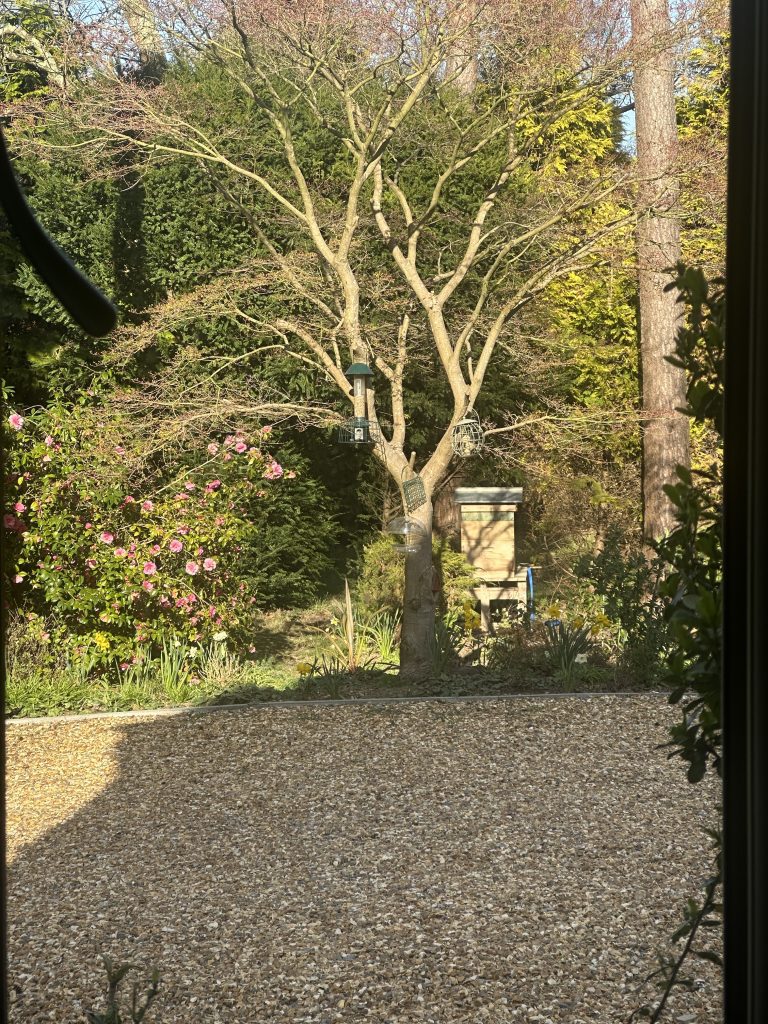
My own apiary sits in the middle of my garden, which is a woodland garden. The trees provide afternoon shade during hot summers and protection from winter winds, while my bees don’t face the optimal south east position, they seem to do well facing north west, with a wall of hedges and trees to protect from wind.


Leave a Reply