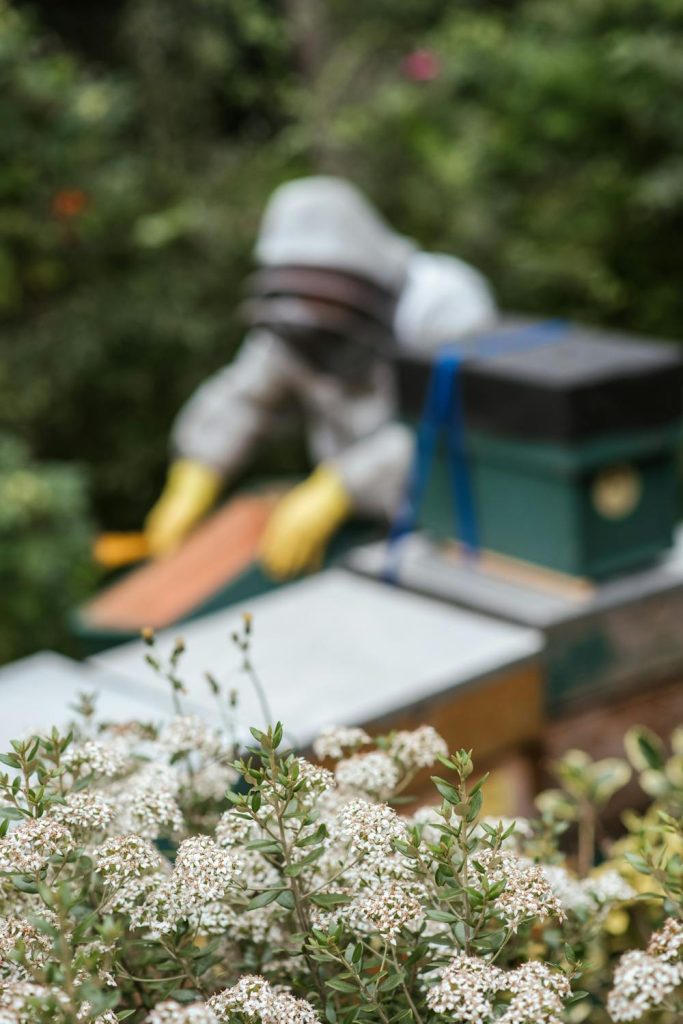
When I first started beekeeping, I felt like I was learning an entirely new language. That’s why I’ve created this comprehensive beekeeping glossary—to help you avoid the confusion I experienced. Understanding these essential beekeeping terms will not only boost your confidence but also improve your communication with experienced beekeepers and enhance your overall success in this rewarding hobby.
Consider this your go-to reference guide for all things beekeeping. Bookmark it, share it, and return to it whenever you encounter an unfamiliar term in your beekeeping journey. Let’s dive in!
Hive Components
Every beekeeper needs to understand the parts that make up a beehive. Here are the essential components:
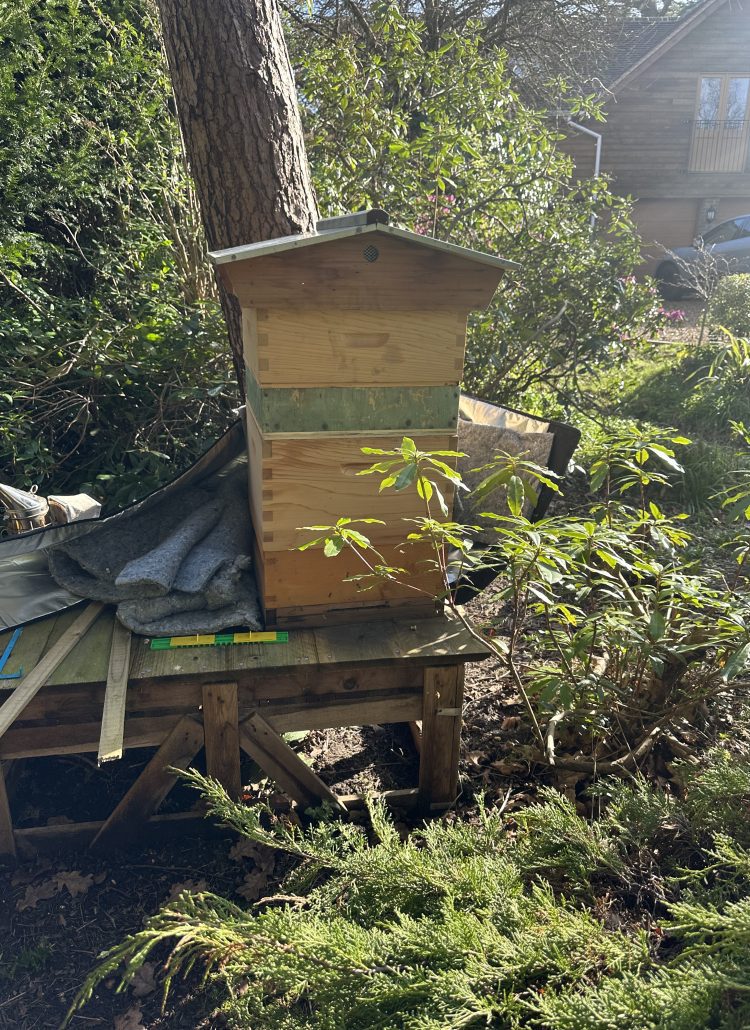
Brood Box/Deep Super – This is essentially the main living area for your bees. It’s the largest box in the hive setup where the queen lays eggs and the colony raises its young (brood). I always tell my workshop students to think of it as the “nursery” of the hive.
Honey Super – These are smaller boxes placed above the brood box where bees store excess honey—the part we eventually harvest. When I started, I confused these with brood boxes until my mentor pointed out that supers are typically shallower to make them lighter when full of honey.
Frames – These removable structures hang inside both brood boxes and supers. They hold the foundation and provide a place for bees to build comb. During my first hive inspection, I was amazed at how these simple wooden frames made it possible to examine each section of the hive separately.
Foundation – These are thin sheets of beeswax or plastic embossed with hexagonal patterns that guide bees in building their comb. I’ve found that while plastic foundations are more durable, my bees seem to prefer drawing out comb on wax foundations more readily.
Bottom Board – Simply put, this is the floor of the hive. Some bottom boards include a screened section for ventilation and varroa mite control. In my apiaries, I use screened bottom boards in the summer and swap to solid boards in winter for better temperature regulation.
Inner Cover – This flat cover sits directly above the uppermost super, providing insulation and proper bee space. I’ve noticed it also gives bees a space to gather when I open the hive, rather than flying out immediately.
Outer Cover/Telescoping Cover – This is the waterproof roof that protects the entire hive from the elements. After losing two hives to moisture problems my second year, I learned to always check that this cover is secure, especially before storms.
Entrance Reducer – This small wooden or plastic device narrows the hive entrance. I use them on new colonies to help them defend their home more easily and during winter to reduce cold drafts while still allowing bees to exit on warmer days.
See More: Beginner’s Guide: How to Start a Beehive in Your Backyard
Colony Members
A honey bee colony consists of three distinct types of bees, each with specific roles:
Queen – She’s the reproductive female and the mother of all bees in the colony. I’m still amazed that a healthy queen can lay up to 2,000 eggs daily during peak season! The colony’s temperament, productivity, and overall health largely depend on her genetics.
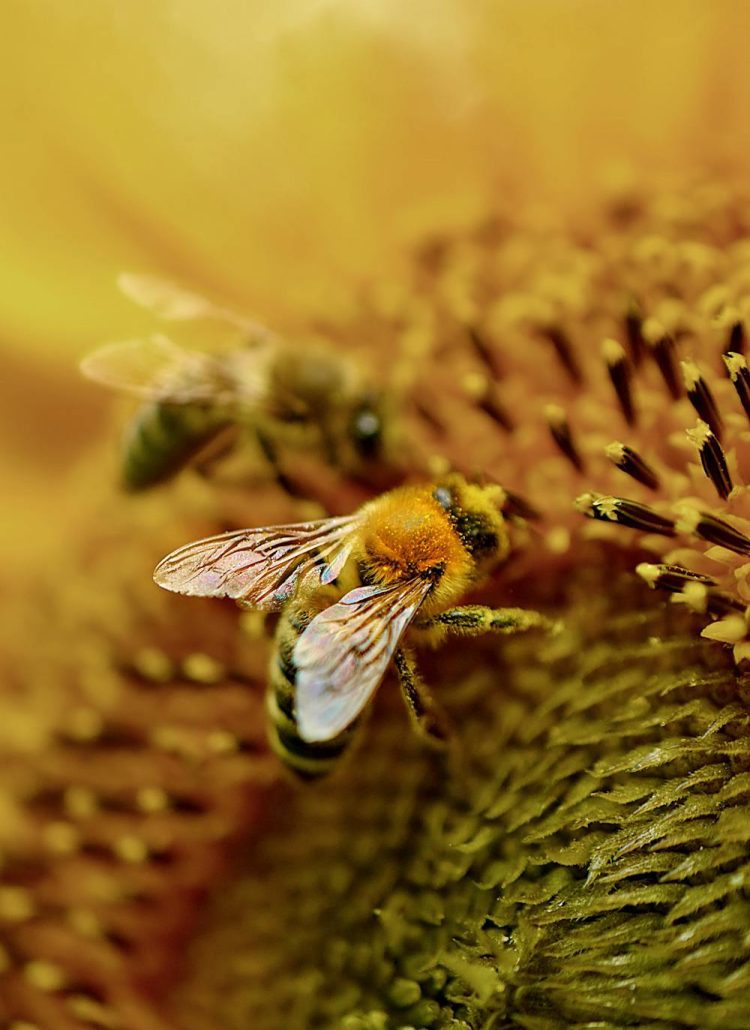
Worker Bees – These non-reproductive females perform virtually all hive tasks. From nursing brood to foraging for nectar, from producing wax to defending the hive—workers do it all. I’ve spent countless hours watching these industrious bees and am continually impressed by their versatility.
Drones – The only male bees in the colony, drones exist primarily to mate with virgin queens from other colonies. They don’t have stingers, don’t collect nectar, and don’t help with hive maintenance. While they might seem lazy, their genetic contribution is crucial for bee diversity.
Brood – This collective term refers to all developing bees: eggs, larvae, and pupae. When inspecting frames, I look for a solid pattern of brood—what beekeepers call “wall-to-wall brood”—as it indicates a healthy, productive queen.

Beekeeping Equipment
Having the right tools makes beekeeping safer and more enjoyable. Here are the must-haves:
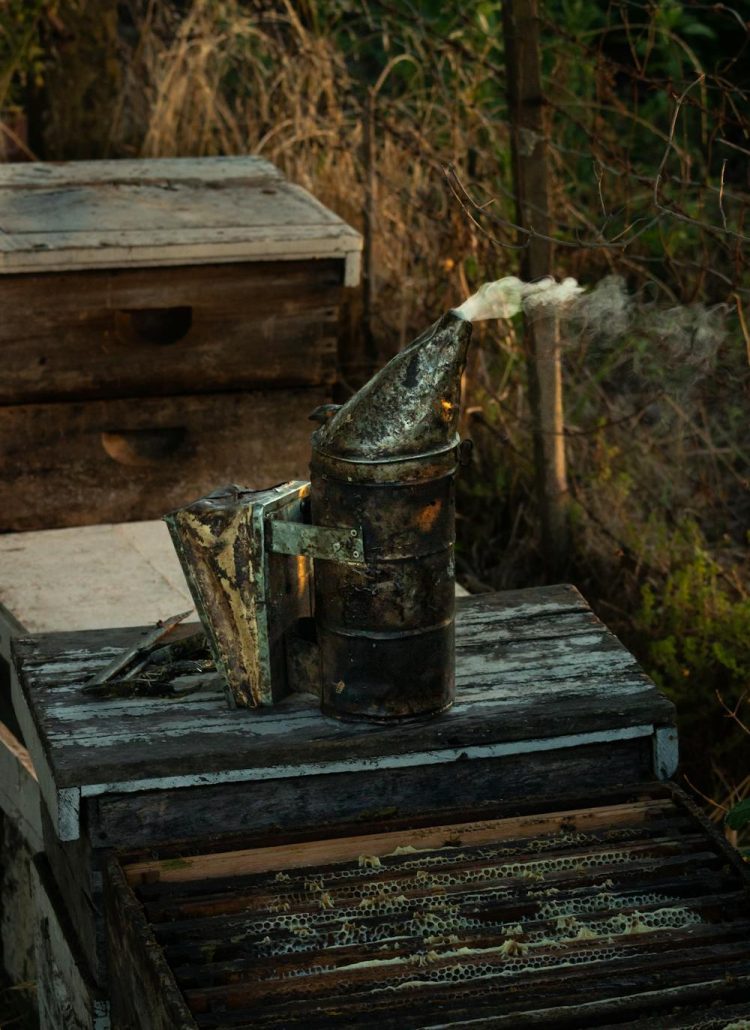
Smoker – This device produces cool smoke that calms bees during hive inspections. The smoke masks alarm pheromones and creates a mild sense of urgency that distracts bees from the beekeeper’s intrusion. I’ve tried many smoker fuels over the years but always come back to pine needles mixed with a bit of burlap for a long, consistent burn.
Hive Tool – This metal lever helps separate hive components that bees have sealed with propolis. I couldn’t imagine doing an inspection without one—these simple tools save your fingers and prevent unnecessary damage to hive parts when prying them apart.
Bee Brush – A soft-bristled brush designed to gently move bees without harming them. I use mine primarily when harvesting honey frames to ensure no bees get taken away from the hive.
Bee Suit/Veil/Gloves – Protective gear is essential, especially for beginners. While experienced beekeepers might sometimes work with less protection, I always wear at least a veil to protect my face. Remember, even the gentlest bees can become defensive if conditions change.
Extractor – This equipment spins honey out of uncapped frames through centrifugal force. My first honey harvest involved a borrowed hand-crank extractor—it took hours of turning that handle, but the sweet reward made it worthwhile!
Hive Products
Bees produce several valuable substances beyond just honey:
Honey – The sweet substance produced from flower nectar that bees collect, transform, and store as food. I’m continuously fascinated by how different flower sources create distinctly flavored honey—from the light, citrusy notes of orange blossom honey to the robust, molasses-like buckwheat honey.
Beeswax – Worker bees secrete this from special glands to build their honeycomb. The first time I rendered beeswax from old comb, the sweet, slightly nutty aroma filled my kitchen with a scent I now associate with successful beekeeping.
Propolis – This resinous mixture collected from plant sources is used to seal unwanted openings in the hive. Bees essentially use it as glue and as an antimicrobial layer throughout their home. It’s incredibly sticky—I’ve ruined more than one shirt when propolis got on my clothing during hive inspections!
Royal Jelly – A protein-rich secretion fed to all larvae for their first three days, but continuously fed only to developing queens. This special substance is what transforms an ordinary female larva into a queen. While difficult to harvest, some of my beekeeping friends collect it for its purported health benefits.
Pollen – Bees collect this protein source from flowers and store it in cells adjacent to brood for feeding developing larvae. I love seeing the rainbow of colored pollen pellets on returning foragers’ legs—from bright orange to deep purple, each color indicating different flower sources.
See More: How Bee Products Support Your Well-Being
Bee Behavior
Knowing normal bee behavior helps you identify when something’s amiss:
Waggle Dance – This fascinating communication method indicates the direction and distance of food sources to other foragers. I remember watching a glass observation hive at a fair where a forager performed this dance, and a university researcher decoded it, showing exactly where she had found flowers nearly two miles away—simply incredible!
Swarming – The natural colony reproduction process where approximately half the bees leave with the old queen to establish a new colony. My second year of beekeeping taught me the importance of swarm prevention when I found three of my five hives had swarmed while I was away on a two-week vacation.
Robbing – When bees from one colony steal honey from another, typically weaker colony. I’ve witnessed the frenzy of robbing—the characteristic darting flight patterns and fighting at the entrance—and now take immediate steps to reduce entrances when I see these warning signs.
Bearding – The clustering of bees outside the hive entrance on hot days, resembling a beard. It took me years to stop panicking when seeing massive bearding in summer, but now I recognize it as normal temperature regulation, not pre-swarming behavior.
Absconding – When an entire colony abandons their hive due to unfavorable conditions. Unlike swarming, absconding bees leave no bees behind. I lost my very first colony to absconding after making the rookie mistake of placing the hive in full sun with inadequate ventilation.

Hive Management Terms
Successful beekeeping involves several management practices:
Splitting – Dividing one colony into two to increase hive numbers or prevent swarming. I split my strongest colonies every spring, which has allowed me to grow from two hives to twenty over the years without purchasing additional bees.
Requeening – Replacing an old, failing, or genetically undesirable queen with a new one. I typically requeen every two years to maintain productive colonies, though some beekeepers do it annually.
Overwintering – Preparing and managing hives for winter survival. In my northern climate, this involves ensuring adequate honey stores (at least 60 pounds per hive), providing upper ventilation to prevent condensation, and using windbreaks to shield hives from harsh elements.
Nectar Flow – A period of abundant nectar availability when bees rapidly bring in honey. During the main flow in my area (usually black locust and clover bloom), I’ve recorded weight gains of up to five pounds per day on my scale hives!
Dearth – A period of nectar scarcity when little or no nectar is available. During summer dearth between spring and fall blooms, I’m extra careful about leaving hives open too long, as the lack of forage makes bees more defensive and prone to robbing.
Common Beekeeping Challenges
Even the best beekeepers face challenges. Here are some common issues:
Colony Collapse Disorder (CCD) – The unexplained disappearance of worker bees from a colony, leaving behind the queen and plenty of food. While CCD has become less common in recent years, I’ve experienced it twice and found it utterly perplexing—a seemingly healthy colony simply vanishes.
Varroa Mites – These parasitic mites feed on bee hemolymph (blood) and transmit viruses. They’re the single biggest threat to honey bee health worldwide. After losing several colonies to varroa in my early years, I now monitor mite levels monthly and use integrated pest management techniques to keep them under control.
American/European Foulbrood – Bacterial diseases affecting developing bees. American Foulbrood (AFB) is particularly devastating and legally reportable in most places. When I suspected AFB in one of my hives years ago, I called our state apiary inspector immediately—thankfully it turned out to be sacbrood virus instead, which is much less serious.
Nosema – A fungal disease affecting adult bees’ digestive systems. I watch for the telltale sign of dysentery (bee feces) on the front of hives, particularly after winter confinement, which could indicate a nosema infection.
Small Hive Beetle/Wax Moths – These pests invade hives, damaging comb and fermenting honey. While wax moths typically only affect weak colonies, I’ve found small hive beetles to be opportunistic even in strong hives, especially in warmer climates where I’ve kept bees.
See More: 8 Common Bee Diseases & How to Prevent Them: A Beekeeper’s Guide
Beyond the Basics: Intermediate Beekeeping Terms
As you grow in your beekeeping journey, you’ll encounter these concepts:
Nuc (Nucleus Colony) – A small, functional colony used for starting new hives or raising queens. I prefer purchasing nucs rather than packages for new colonies because they’re already functioning with established comb and a laying queen.
Festooning – When bees hang together in chains to measure and build new comb. Watching bees festoon is like seeing a living, breathing ruler and construction team in action—truly one of beekeeping’s marvels.
Burr Comb – Irregular comb built outside the frames where you don’t want it. Every beekeeper deals with this—I simply scrape it off during inspections and add it to my wax collection bucket.
Propolis Trap – A device placed on top of the hive with small slits that bees fill with propolis, making collection easier. After learning about propolis’s medicinal properties, I added these to several hives and now make my own propolis tincture.
Queen Cup/Cell – Cups are the beginning structures for raising new queens, while cells contain developing queen larvae. Learning to distinguish between swarm cells (usually on frame bottoms) and supersedure cells (typically on frame faces) has helped me predict and manage colony intentions.
Laying Worker – Worker bees that lay unfertilized eggs when a colony has been queenless too long. I’ve only encountered this problem twice, but it’s challenging to solve—the laying workers will often kill any introduced queen, making requeening difficult.
Seasonal Beekeeping Terms
Different seasons bring different activities and concerns:
Spring Buildup – The rapid population growth that occurs in healthy colonies during spring. I support this natural process by ensuring colonies have adequate room to expand and occasionally providing light syrup to stimulate brood production.
Fall Flow – The final nectar flow of the season, typically from goldenrod and aster in my area. This honey tends to crystallize quickly and has a stronger flavor—I usually leave it for the bees’ winter stores rather than harvesting it.
Winter Cluster – The tight formation bees create during cold weather to maintain heat. The cluster moves gradually through the hive consuming honey stores. Using thermal imaging, I’ve observed how this cluster contracts and expands with temperature changes—fascinating adaptation!
Orientation Flights – When young bees fly around the hive entrance learning its location. These often resemble mini-swarms and occur on warm afternoons. I love watching these “beginner flight lessons” where young bees hover facing the hive, memorizing its appearance and location.
Robbing Screen – A device installed over the hive entrance that allows resident bees to come and go but confuses potential robbers. After losing a newly established colony to robbing, I now use these on all new or weak hives during dearth periods.

Wrapping Up: Beekeeping Glossary
Over my years of beekeeping, I’ve come to realize that understanding the terminology is just the beginning. The real learning comes from hands-on experience, careful observation, and connecting with the beekeeping community. Each season brings new challenges and insights.
I encourage you to join local beekeeping associations, find a mentor, and continue expanding your knowledge. Keep a beekeeping journal to track your observations and questions—I still refer to mine from years ago and am amazed at how much I’ve learned.
Remember that even experienced beekeepers never stop learning. The bees are remarkable teachers if we pay attention. I hope this glossary helps you communicate more confidently with other beekeepers and better understand these fascinating creatures we’re privileged to work with.
What beekeeping terms did you find most surprising or intriguing? Let me know in the comments below, and feel free to suggest additional terms that you’ve found useful in your beekeeping journey!
Additional Resources for Beekeeping Beginners
To continue building your beekeeping vocabulary and knowledge:
- Books: “Beekeeping for Dummies” by Howland Blackiston and “The Backyard Beekeeper” by Kim Flottum were my first beekeeping guides and remain excellent resources.
- Local Associations: Find your nearest beekeeping group through the American Beekeeping Federation or your state’s beekeeping association. The mentorship I’ve received through my local club has been invaluable.
- Online Forums: BeeSource.com and the r/Beekeeping subreddit offer friendly communities where beginners can ask questions and learn from experienced beekeepers worldwide.
- Mobile Apps: BeeScanning and Hive Tracks help with hive management and education—I use both regularly to track my apiary’s progress.
Happy beekeeping, and remember: the bees have been doing this successfully for millions of years. Our job is simply to support their incredible work while learning from them along the way!


Leave a Reply