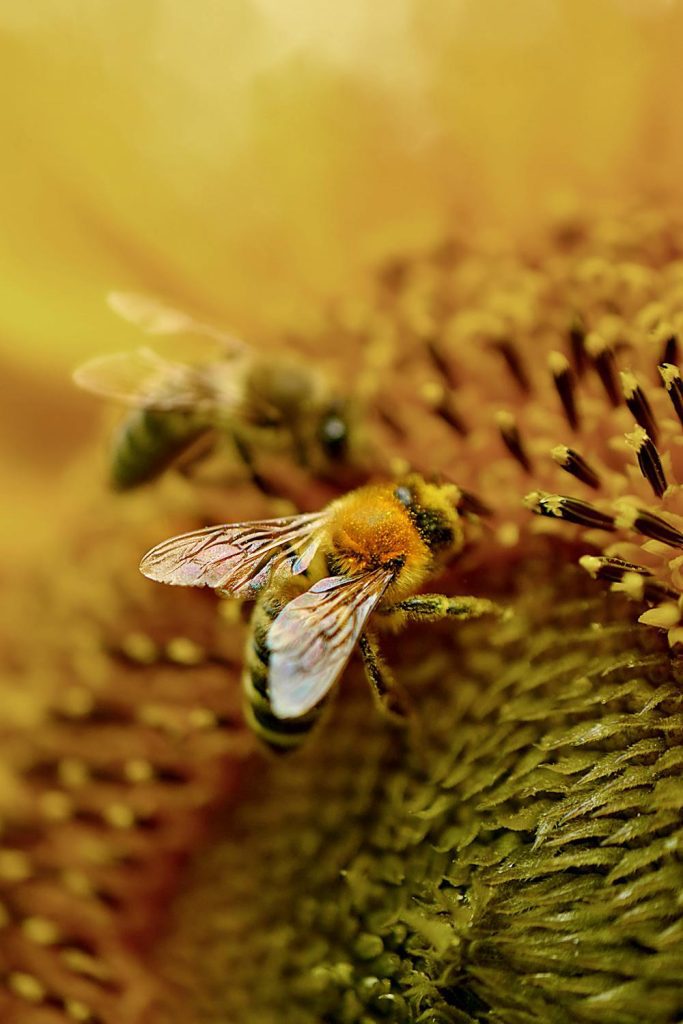
As a beekeeper for years, I’ve watched my honeybees dance from flower to flower with a fascination that never fades. Their industrious nature and critical role in our ecosystem have taught me one undeniable truth: the health of our bees depends heavily on the flowers we choose to plant.
In today’s world of declining bee populations, creating bee-friendly gardens isn’t just a hobby—it’s becoming an ecological necessity. Whether you’re a fellow beekeeper looking to boost honey production or a gardener wanting to support our pollinator friends, this guide will help you select the best flowers for attracting and nourishing bees throughout the seasons.
What Bees Really Want
Before diving into specific plant recommendations, let’s get inside the mind of a bee for a moment. What exactly are they looking for when they visit your garden?
From my years observing bees at work, I’ve noticed they’re quite practical in their approach. They’re after two main things: nectar (their primary energy source) and pollen (their protein). But not all flowers are created equal in a bee’s eyes.
Bees show strong preferences for certain colors. Blues, purples, and yellows tend to catch their attention more readily than reds (which many bees cannot see well). They appreciate flowers with landing platforms—places where they can comfortably perch while feeding. And they’re particularly drawn to flowers with ultraviolet patterns called “nectar guides” that are invisible to human eyes but act like runway lights leading straight to the food source.
Native plants often make the best bee food. Through evolutionary history, our local bees have developed relationships with native flowers that make them particularly well-suited to each other. That said, many non-native garden flowers can still provide excellent forage if chosen carefully.
The most bee-friendly gardens offer something in bloom during every season bees are active. Here in my apiary, I’ve structured plantings to ensure my honeybees never face a dearth period—those challenging times when natural forage is scarce. Let me walk you through the seasons and share what works best in my experience.
Spring Blooms
Spring is perhaps the most critical season for bees. After depleting much of their honey stores during winter, colonies are eager to replenish their pantries and build up strength for the year ahead.
Early Spring
When the first warm days arrive, I always watch for that initial burst of foraging activity. My early spring bee favorites include:
Crocus: These early risers can sometimes peek through the last patches of snow. Plant them in autumn for reliable early spring bee food.
Snowdrops: Another early bloomer that provides crucial first pollen. I’ve planted thousands around my apiary over the years.
Hellebore: Also called Lenten rose, these provide both pollen and nectar when few other options exist. My bees visit them consistently during late winter and early spring.
Pussy Willow: These provide some of the first significant pollen sources of the year. I’ve planted several near my hives, and on sunny February days, I often find them buzzing with activity.
Mid-Spring
As spring progresses, the options multiply. Some standouts include:
Fruit Tree Blossoms: Apple, cherry, pear, and plum trees offer spectacular forage. One mature apple tree can provide as much bee food as an entire garden of smaller plants. I’ve gradually added an orchard to my property specifically to support my bees.
Dandelions: Don’t be too quick to mow these “weeds”! They’re actually bee superfoods. I leave large patches unmown until they’ve finished blooming. A field of dandelions can significantly boost spring honey stores.
Maple Trees: Often overlooked but incredibly valuable, maple flowers provide copious amounts of pollen and nectar. The large silver maple near my apiary becomes a veritable bee highway during its blooming period.
Late Spring
As spring transitions to summer, these reliable performers bridge the gap:
Clovers: Both white and red clover are exceptional bee plants. I overseed my lawn with white clover to create a perpetual bee buffet.
Lavender: One of the absolute best bee plants in my garden. The buzzing around my lavender beds can be almost deafening when in full bloom.
Chives: Let some of your chives flower, and you’ll be rewarded with perfect purple pom-poms that bees adore. I plant extras specifically to let them bloom for the bees.
Native Spring Wildflowers: Depending on your region, plants like wild columbine, spring beauty, and woodland phlox can provide important nectar sources. I’ve established a wildflower meadow that provides diverse forage throughout the growing season.

Summer Flowers
Summer brings the main honey flow in most regions. During this period, strong colonies can collect astonishing amounts of nectar—sometimes 5-10 pounds per day under ideal conditions.
Herb Garden
Summer is when my herb garden truly earns its keep in the bee department:
Basil: When allowed to flower, basil becomes a bee magnet. I plant extra specifically to let it bloom.
Oregano: The tiny flowers are powerhouse nectar producers. One square meter of flowering oregano can support thousands of bee visits per day.
Thyme: Different varieties bloom at slightly different times, extending the forage period. Creeping thyme creates wonderful bee-friendly ground cover.
Borage: With its star-shaped blue flowers that produce nectar all day long, borage is among the best bee plants you can grow. I scatter seeds throughout my garden for continuous blooms.
Flowering Vegetables
Many food plants do double-duty as bee forage:
Squash Family: Pumpkins, zucchini, and cucumbers produce large, nectar-rich flowers that open early in the morning. Male flowers are particularly valuable as they produce both pollen and nectar.
Runner Beans: The scarlet flowers are bee favorites. I grow them even in years when I don’t need the beans.
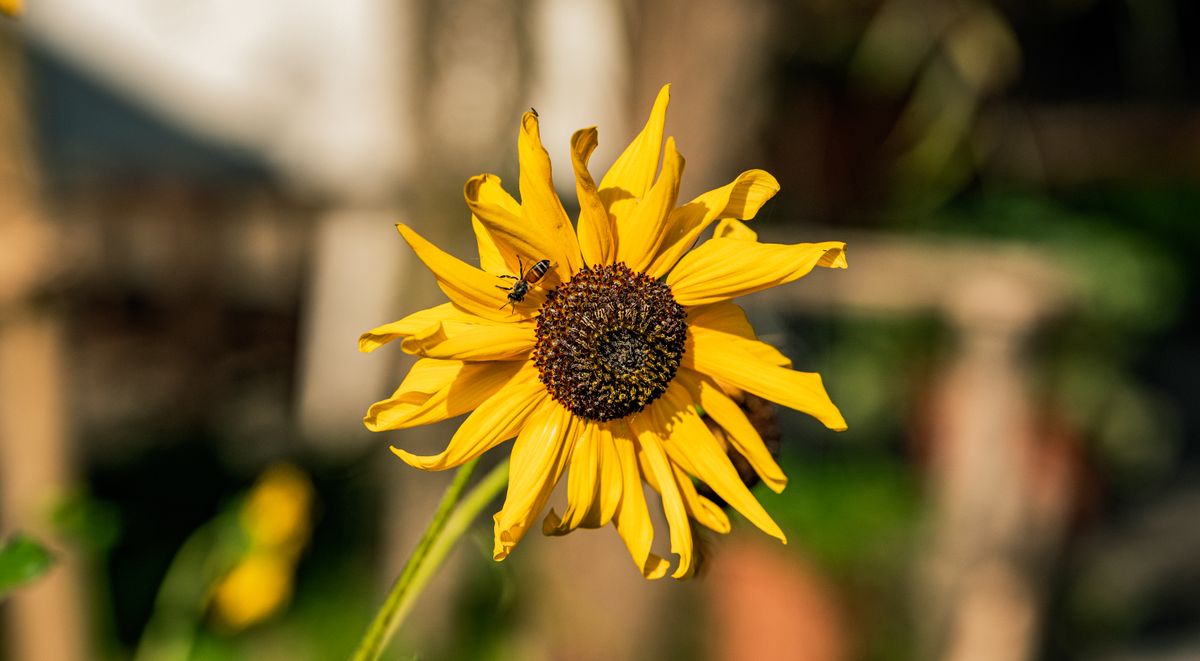
Sunflowers: While primarily known for their seeds, the flower heads provide significant pollen for bees. I plant a succession of sunflowers for continuous blooming.
Perennial Sun-Lovers
These workhorses come back year after year:
Echinacea (Purple Coneflower): Native to North America, these drought-resistant beauties are bee magnets. I’ve established large drifts throughout my garden.
Black-Eyed Susan: Another native perennial that’s tough as nails and beloved by many bee species. The central cone provides excellent pollen.
Bee Balm (Monarda): As the name suggests, this plant is irresistible to bees. The wild red variety (Monarda didyma) attracts hummingbirds too, while the lavender variety (Monarda fistulosa) seems particularly attractive to honeybees.
Anise Hyssop: Possibly the single best perennial bee plant in my garden. One plant can produce thousands of tiny flowers over a long blooming period. My bees work these from dawn to dusk.
Annual Options
For quick results and flexibility:
Cosmos: Easy to grow and bloom for months with minimal care. I broadcast seeds in spring for summer-long blooms.
Zinnia: Particularly the single-flowered varieties provide accessible pollen and nectar. I’ve noticed bees prefer the yellow and orange varieties.
Cleome (Spider Flower): Unusual-looking flowers that produce copious nectar. They self-seed readily in my garden.
Phacelia: Sometimes called “bee’s friend,” this annual can produce more bee forage per square foot than almost any other plant. I use it as a cover crop in my vegetable garden during fallow periods.
Fall Flowers
As summer wanes, fall-blooming plants become increasingly important. These final nectar flows help bees build the stores they’ll need to survive winter.
Asters and Goldenrod
In my area, nothing signals the end of beekeeping season like fields of goldenrod and asters buzzing with activity:
New England Aster: With vibrant purple blooms that appear when most other flowers have faded, these are autumn bee favorites. I’ve established patches throughout my property.
Goldenrod: Often blamed for hay fever (actually it’s ragweed), goldenrod produces some of the most nutritious fall honey. The distinct spicy taste is prized by honey connoisseurs. I encourage goldenrod wherever possible on my property.
Late-Blooming Perennials
Sedum ‘Autumn Joy’: The broad flower heads offer landing platforms for tired fall bees. They bloom for weeks and require almost no care.
Russian Sage: The purple spikes continue blooming well into fall. Once established, they’re extremely drought tolerant.
Joe-Pye Weed: This native plant can reach impressive heights and provides valuable late-season nectar. I’ve established a patch in the wetter section of my property.
Fall-Blooming Herbs
Mint Family: When allowed to flower, various mints provide excellent fall forage. I keep these in containers to prevent spreading.
Rosemary: In milder climates, rosemary may bloom in fall and even winter. The small blue flowers are bee favorites.
Planting Strategies: Maximizing Your Bee-Friendly Garden
Over the years, I’ve developed some strategies that help maximize the bee benefits of my plantings:
Creating Bee Corridors
Bees typically forage within a three-mile radius of their hives, but closer is always better. I’ve created “bee corridors” on my property—connected patches of bee-friendly plants that allow bees to move efficiently from one forage area to another without large gaps.
Succession Planting for Continuous Blooms
One of the most important concepts in bee-friendly gardening is succession planting—ensuring something is always in bloom. I keep a bloom calendar specific to my region and make sure there’s overlap between plants finishing their bloom and others just starting.
In early spring, when my hellebores start to fade, the fruit trees are just beginning. As the fruit blossoms drop, the lavender starts showing color. This careful choreography ensures my bees never face a gap in available forage.
Mass Plantings vs. Diversity
Both approaches have merit. Bees practice “floral fidelity,” meaning they prefer to visit the same type of flower during a foraging trip. Mass plantings support this behavior and can be more energy-efficient for the bees.
However, diverse plantings provide nutritional variety and insurance against failure of any single plant type. My approach combines both—larger patches of proven bee favorites interspersed with diverse supporting plants.
Avoiding Pesticides
This should go without saying, but I’ll emphasize it anyway: pesticides and bees don’t mix. In my garden, I rely entirely on integrated pest management approaches rather than chemicals. Even many “organic” pesticides can harm bees if applied incorrectly.
If you must use treatments, apply them in the evening after bees have returned to their hives, and never spray open blossoms.
Regional Considerations: Local Plants for Local Bees
What works in my garden might not be ideal for yours. Climate, soil conditions, and local bee species all influence which plants will perform best in your area.
Native Plants by Climate Zone
In general, native plants adapted to your specific region will require less maintenance and often provide better bee nutrition. Some regional standouts:
- Northeast/Midwest: Bee balm, Joe-pye weed, purple coneflower, wild bergamot
- Southeast: Buttonbush, Carolina jessamine, sourwood, wild indigo
- Southwest: Desert willow, mesquite, penstemons, salvias
- Pacific Northwest: Ceanothus, madrone, Oregon grape, snowberry
- Mountain West: Fireweed, globe mallow, penstemons, wild geranium
I regularly consult with my local native plant society and extension office to identify regional superstars.
Drought-Tolerant Options
With changing climate patterns affecting many regions, drought-tolerant plantings are increasingly important:
Herbs: Lavender, rosemary, sage, and thyme all tolerate dry conditions once established.
Natives: Plants adapted to your local conditions will generally require less supplemental water.
Mediterranean Plants: Many plants from Mediterranean climates offer excellent bee forage while requiring minimal water.
In my own garden, I’ve gradually replaced water-hungry plants with more resilient options, without sacrificing bee forage.
Water Considerations
Bees need water, not just flowers. I maintain several bee watering stations throughout my property, with landing spots to prevent drowning. During hot summer days, a reliable water source can be as important as good forage.
Local Planting Calendars
I keep a detailed planting calendar specific to my region, noting:
- When each plant typically blooms
- Duration of bloom
- Bee activity observed on each plant
- Weather conditions that affect bloom time
This record helps me refine my planting strategy each year, gradually optimizing my property for maximum bee support.
Beyond Flowers: Creating a Complete Bee Habitat
While flowers provide food, a truly bee-friendly property addresses other needs as well.
Unlike honeybees, most native bees are solitary and nest in the ground or in cavities. To support these important pollinators, I:
- Leave some areas of bare, undisturbed soil for ground-nesting species
- Maintain a “bee hotel” with various diameter tubes for cavity-nesting species
- Keep some dead wood and hollow stems for natural nesting sites
Furthermore, bees need protection from extreme elements. I’ve planted windbreaks and created microclimates that offer shelter during adverse weather. These protected pockets allow bees to forage even on moderately windy days when they might otherwise stay home.
See More: No Yard? No Problem! 7 Places to Keep Bees Without a Backyard
Getting Started: Your First Bee-Friendly Plantings
If you’re new to bee-friendly gardening, start with these reliable performers that work in most regions:
- Lavender: Drought-tolerant, deer-resistant, and absolutely beloved by bees
- Borage: Easy-to-grow annual that produces hundreds of flowers per plant
- Sunflowers: Even one plant provides substantial pollen
- Clover: Incorporate into lawns for constant bee forage
- Herbs: Basil, oregano, rosemary, and thyme are both useful in the kitchen and valuable to bees
Even a small container garden on a balcony can make a difference. I’ve seen urban beekeepers maintain successful hives entirely supported by container plants and street trees.
Conclusion: Best Flowers for Bees
I’ve come to a humbling realization: my biggest contribution to bee health isn’t the hives I maintain—it’s the habitat I create around them.
By thoughtfully selecting and planting flowers that nourish bees throughout the seasons, each of us can help address one of the fundamental challenges facing pollinators today: habitat loss. Whether you have acres of land or just a few pots on a patio, your planting choices matter.
I encourage you to start small but think big. Add just three new bee-friendly plants to your garden this season. Observe which bees visit them and when. Let this growing relationship with your local pollinators guide your future planting decisions.
Together, our gardens can become a network of bee oases—stepping stones that help these essential creatures navigate an increasingly challenging landscape. And in supporting them, we ultimately support ourselves.
What bee-friendly plants are you growing this season? Share your experiences and questions in the comments below!



Leave a Reply