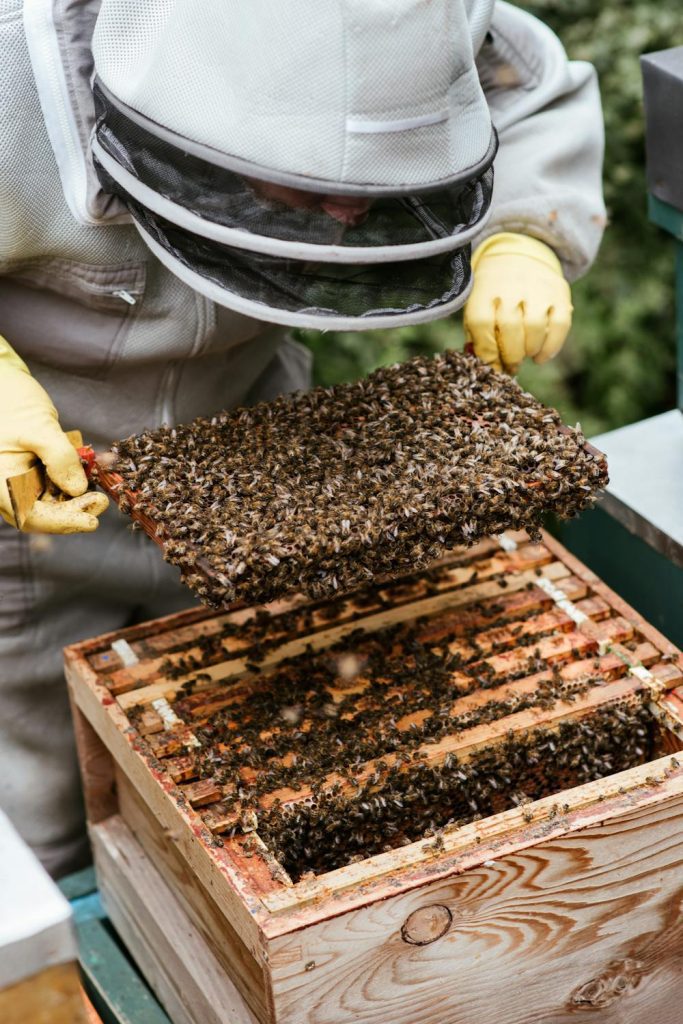
Selecting the right bee species is perhaps the most crucial decision you’ll make on your beekeeping journey. This choice will impact everything from honey production and disease resistance to the amount of time you’ll spend managing your colonies.
When I started my first apiary, I made the mistake many beginners do—buying the most readily available bees without considering whether they were suited to my local environment or beekeeping goals. That mistake cost me two colonies and a year of frustration before I finally found the right match.
In this comprehensive guide, I’ll walk you through everything you need to know about choosing bee species that will thrive in your specific situation, whether you’re a novice beekeeper or looking to expand your existing apiary.
Why Bee Species Selection Matters
The success of your beekeeping venture hinges significantly on selecting appropriate bee species. Just as farmers carefully select crop varieties suited to their soil and climate conditions, beekeepers must choose bee species that will flourish in their local environment.
Different honey bee subspecies have evolved distinct traits that help them survive in their native regions. Some excel in cold climates with short foraging seasons, while others are adapted to warmer conditions with longer bloom periods. Some are gentle and easy to handle, making them perfect for beginners or urban settings, while others might be more defensive but offer superior honey production or disease resistance.
Making an informed choice now will save you countless hours of management challenges, reduce colony losses, and ultimately lead to more productive and enjoyable beekeeping.
Key Factors to Consider Before Selecting Your Bees
Your Local Climate
I always tell new beekeepers that the single most important factor in choosing bee species is your local climate. Here’s why:
- Temperature range: Some bee species handle extreme cold better, while others thrive in warmer conditions.
- Length of winter: Certain bee subspecies are more economical with winter stores in long-winter regions.
- Humidity levels: High humidity can affect certain bee populations more negatively than others.
- Rainfall patterns: Heavy rainfall regions require bees that can make the most of short foraging windows.
Your Experience Level
Be honest about your experience level when selecting bee species:
- First-time beekeeper? Prioritize gentleness and ease of management over maximum honey production.
- Intermediate beekeeper? You might be ready for slightly more challenging but potentially more rewarding subspecies.
- Experienced beekeeper? You might experiment with multiple subspecies or more specialized varieties.
My first colonies were Buckfast bees, which in retrospect was an ambitious choice for a beginner. While they’re excellent producers, their complex management needs would have been easier to handle after gaining experience with gentler varieties.
Your Beekeeping Goals
Different beekeepers have different priorities:
- Maximum honey production: Some subspecies consistently produce larger honey surpluses.
- Pollination services: Certain bees excel at pollinating specific crops or functioning as commercial pollinators.
- Conservation focus: You might prioritize hardier or more disease-resistant subspecies.
- Teaching or demonstration: Extra-gentle bees might be preferred for educational settings.
I primarily focus on honey production and selling nucleus colonies, so I maintain both Italian bees (for strong spring buildup and honey production) and Carniolans (for nucleus colony production and overwintering strength).
Time Commitment
Be realistic about how much time you can devote to hive management:
- Limited time available: Choose less swarmy bees that require fewer inspections.
- More time to manage: You might handle subspecies that need more frequent intervention but offer other benefits.
When I was working full-time while beekeeping on the side, I favored Carniolans for their lower swarming tendencies when compared to my Italians, which seemed to need inspections every 7-10 days during swarm season.
Local Regulations and Native Populations
Some regions have restrictions on certain bee subspecies, particularly regarding Africanized honey bee prevention. Additionally, more beekeepers are considering the impact of managed honey bees on native pollinator populations.
Before importing any bees, I always recommend checking with your local agriculture department and beekeeping association about regulations and best practices in your area.

Major Honey Bee Species and Their Characteristics
Let’s explore the most common honey bee species and subspecies available to beekeepers, along with their distinctive traits.
Western/European Honey Bee (Apis mellifera) Subspecies
The western honey bee (Apis mellifera) is the species most commonly kept worldwide. Within this species, beekeepers typically work with various subspecies, each with unique characteristics.
Italian Honey Bees (Apis mellifera ligustica)
Italian honey bees are probably the most widely kept subspecies in North America, and for good reason.
Temperament: These bees are generally gentle and calm on the comb, making them ideal for beginners. In my experience, they’re less likely to become agitated during hive inspections compared to some other varieties.
Productivity: Italians are prolific honey producers when conditions are favorable. In my best seasons with Italian colonies, I’ve harvested over 100 pounds of honey per hive.
Disease Resistance: Their moderate resistance to diseases is a double-edged sword. They’re not particularly vulnerable, but they don’t have the strong hygienic behaviors seen in Russian or VSH (Varroa Sensitive Hygiene) bees.
Swarming Tendency: They have a moderate tendency to swarm, especially when colony population grows rapidly in spring.
Winter Hardiness: This is where Italians often fall short. They maintain larger winter clusters and consume more stores than some other subspecies, making them less suited to severe winters. In my northern apiaries, Italian colonies consistently consume 10-15 pounds more honey over winter than my Carniolan colonies.
Ideal For: Beginners, warmer climates, regions with long foraging seasons, and beekeepers focused on maximum honey production.
Carniolan Honey Bees (Apis mellifera carnica)
Carniolans originate from Slovenia and Austria and have become increasingly popular in northern regions.
Temperament: They’re among the gentlest bees I’ve worked with. Even on poor weather days when other colonies become defensive, my Carniolans typically remain calm and manageable.
Productivity: While they may not match Italians in ideal conditions, Carniolans excel at making the most of short nectar flows and can produce impressive honey crops in areas with shorter seasons.
Disease Resistance: They show slightly better hygienic behavior than Italians in my apiaries, particularly regarding chalkbrood resistance.
Swarming Tendency: Their rapid spring buildup can lead to swarming if not managed properly. I’ve found they require earlier spring management than other subspecies.
Winter Hardiness: This is where Carniolans truly shine. They form smaller, more efficient winter clusters and conserve food stores remarkably well. My Carniolan colonies typically emerge from winter stronger and require less spring feeding.
Ideal For: Cold climates, areas with short intense nectar flows, beekeepers concerned about winter survival, and those looking for gentle bees.
Russian Honey Bees
Russian honey bees were imported to the United States from the far eastern region of Russia, where they developed resistance to Varroa mites.
Temperament: In my experience, Russians tend to be moderately defensive—not aggressive, but definitely more reactive than Italians or Carniolans. They’re more sensitive to disturbances around the hive.
Productivity: They can be excellent producers but tend to adjust their brood rearing to available resources more conservatively than other subspecies.
Disease Resistance: This is their standout quality. Russians have demonstrated significant Varroa mite resistance, often keeping mite populations at manageable levels without chemical treatment. When I incorporated Russian genetics into my apiary, I was able to reduce mite treatments by about 30%.
Swarming Tendency: They have stronger swarming instincts than many other subspecies, which can be challenging for beginners to manage.
Winter Hardiness: Very good winter survival, with efficient food use and strong spring buildup once nectar becomes available.
Ideal For: Experienced beekeepers concerned about Varroa mites, those interested in treatment-free or treatment-reduced beekeeping, and beekeepers in areas with distinct seasonal changes.
Buckfast Honey Bees
Developed by Brother Adam at Buckfast Abbey in England, these bees are actually a hybrid created through careful breeding.
Temperament: Generally gentle when properly managed, though I’ve noticed their temperament can degrade in subsequent generations if queens mate with less gentle drones.
Productivity: Exceptional honey producers under various conditions. My Buckfast colonies have consistently outperformed other subspecies in honey production by 15-20% in good years.
Disease Resistance: Good overall disease resistance, particularly to tracheal mites, though their Varroa resistance isn’t as strong as Russians.
Swarming Tendency: Low swarming tendency when properly managed, making them suitable for beekeepers who can’t inspect frequently.
Winter Hardiness: Good winter hardiness with moderate food consumption. In my experience, they fall between Italians and Carniolans in terms of winter store consumption.
Ideal For: Intermediate beekeepers looking for productive colonies, those in areas with tracheal mite concerns, and beekeepers who want good all-around performance.
Caucasian Honey Bees (Apis mellifera caucasica)
These bees originate from the Caucasus region and are less common in North America but have some unique characteristics.
Temperament: Extremely gentle—possibly the gentlest subspecies I’ve worked with. Even under suboptimal conditions, they rarely become defensive.
Productivity: They’re slower to build up in spring and produce less honey than Italians or Buckfasts, but they work well in cooler, damper conditions when other bees might stay home.
Disease Resistance: Average disease resistance in my experience.
Swarming Tendency: Low swarming tendency, which makes them manageable for beekeepers who can’t inspect frequently.
Winter Hardiness: Good winter survival with moderate food consumption.
Ideal For: Beginners who prioritize gentleness, beekeepers in cool, damp climates, and situations where defensiveness must be minimized (such as urban settings).
German/Dark European Honey Bees (Apis mellifera mellifera)
Once common throughout Northern Europe and introduced to North America by early settlers, pure strains of these bees are now relatively rare.
Temperament: They tend to be more defensive than other common subspecies. When I worked with some colonies with strong German bee genetics, I noticed they were quicker to get agitated during inspections.
Productivity: Good honey production, especially in cooler, damper climates where they evolved.
Disease Resistance: Average disease resistance but excellent survivability in harsh conditions.
Swarming Tendency: Moderate swarming tendency that varies significantly between strains.
Winter Hardiness: Excellent winter hardiness with very economical use of winter stores.
Ideal For: Experienced beekeepers in northern climates and those interested in bee conservation or historical beekeeping.
Alternative Managed Bee Species
While most beekeepers work with honey bee subspecies, there are other bee species that can be managed for various purposes:
Mason Bees (Osmia species)
These solitary bees are excellent pollinators, particularly for early-blooming fruit trees. They don’t produce honey for harvest but can significantly improve crop yields. I maintain mason bee houses alongside my honey bee hives and have noticed improved pollination in my apple and cherry trees.
Bumble Bees (Bombus species)
These social bees form smaller colonies than honey bees and are superior pollinators for certain crops, especially those requiring “buzz pollination” like tomatoes and blueberries. Some commercial bumble bee colonies are available for greenhouse pollination, but they’re not typically managed for honey production.
Stingless Bees (Meliponini)
In tropical and subtropical regions, various stingless bee species are managed for honey production and pollination. The honey differs significantly from Apis mellifera honey in flavor and consistency.

Matching Bee Species to Specific Needs
Now that we’ve covered the major subspecies, let’s focus on matching them to specific beekeeping situations.
Best Bees for Beginners
If you’re just starting your beekeeping journey, I strongly recommend prioritizing gentle temperament and ease of management over maximum productivity. Based on my experience teaching beekeeping classes, beginners have the greatest success with:
- Italian honey bees: Their gentle nature and tendency to stay on the comb during inspections make learning basic handling techniques much easier. Their prolific brood production also makes finding the queen simpler for novices.
- Carniolan honey bees: Nearly as gentle as Italians but with better overwintering abilities, making them excellent for beginners in colder climates.
When I mentor new beekeepers, I typically recommend Italians for those in warmer regions with longer seasons and Carniolans for those in areas with harsh winters or short foraging seasons.
Best Bees for Maximum Honey Production
If your primary goal is filling jars with liquid gold, consider:
- Buckfast honey bees: In my experience, they consistently produce the highest honey yields across varying conditions.
- Italian honey bees: Especially productive in warm climates with long foraging seasons.
- Italian-Carniolan hybrids: Often combine the prolific nature of Italians with some of the efficiency of Carniolans.
Remember that local adaptation is crucial for maximum production. The most productive subspecies in Florida might struggle in Minnesota, and vice versa. I’ve found that purchasing queens from breeders in similar climate conditions often leads to better productivity.
Best Bees for Cold Climates
Winter survival becomes paramount in regions with long, cold winters:
- Carniolan honey bees: Their ability to rapidly adjust colony size based on available resources and form compact winter clusters makes them ideal for northern beekeepers. My Michigan apiaries show consistently higher winter survival rates with Carniolans compared to other subspecies.
- Russian honey bees: Excellent winter hardiness and conservative resource use.
- Local adapted bees: Bees that have survived several winters in your specific area often outperform imported subspecies regardless of their genetic background.
In my coldest apiaries, I’ve found that providing additional wind protection and proper ventilation often matters more than subspecies selection, but starting with cold-adapted genetics gives you an important advantage.
Best Bees for Urban/Suburban Settings
When keeping bees near neighbors, temperament becomes especially important:
- Caucasian honey bees: Their exceptional gentleness makes them ideal for sensitive locations.
- Carniolan honey bees: Very gentle and less prone to robbing behavior that can trigger defensiveness.
- Italian honey bees: Generally gentle, though they can become more defensive during dearth periods when robbing is common.
I maintain several rooftop hives in urban areas, and I’ve found that gentle subspecies combined with smart hive placement (entrances facing away from walkways) and providing a consistent water source prevents neighbor complaints.
Best Bees for Disease Resistance
If you’re aiming for treatment-free or treatment-reduced beekeeping:
- Russian honey bees: Their evolved resistance to Varroa mites gives them a significant advantage.
- VSH (Varroa Sensitive Hygiene) bees: These bees have been selectively bred to detect and remove pupae infested with Varroa mites.
- Locally adapted survivor stock: Bees that have thrived in your area without treatments often develop region-specific resistance.
When I began reducing treatments in my apiary, incorporating Russian genetics was the single most effective change I made. However, good management practices remain essential regardless of subspecies.
Where to Source Your Bees
Once you’ve decided on the right subspecies for your situation, you’ll need to find a reliable source. Here are your main options:
Package Bees
Three-pound packages of bees with a newly mated queen are the most common way for beginners to start. They’re widely available in spring from various suppliers.
Pros: Readily available, less expensive than other options, and easy to install.
Cons: Bees and queen aren’t related, have no established brood nest, and often experience more startup challenges.
In my experience, packages work well but require more careful management in the first few weeks compared to other starter options.
Nucleus Colonies (“Nucs”)
A nuc is a small functioning colony with 3-5 frames of bees, brood, and a laying queen.
Pros: Faster startup, established brood cycle, and lower risk of failure for beginners.
Cons: More expensive than packages, heavier to transport, and less widely available.
I both sell and purchase nucs, and I believe they offer beginners a significantly higher chance of first-year success, often justifying the higher initial cost.
Local vs. National Suppliers
Whenever possible, I recommend sourcing bees locally for several reasons:
- Local bees are often better adapted to your specific climate and bloom cycles.
- You avoid the stress on bees associated with long-distance shipping.
- You can often inspect the operation and ask questions directly.
- It supports your local beekeeping economy.
If local sources aren’t available, reputable national suppliers can provide quality stock, but be sure to order early—often 3-6 months in advance for spring delivery.
Questions to Ask Bee Suppliers
Whether buying locally or nationally, here are key questions to ask:
- What subspecies or genetic lines do you offer, and what are their characteristics?
- Where do your queens come from, and how are they mated?
- What disease management practices do you use in your operation?
- Do you have references from other customers in my area?
- What support do you offer if problems arise after purchase?
I’ve found that the best suppliers are transparent about their practices and willing to answer these questions in detail.
Making Your Final Decision
After considering all these factors, how do you make your final choice? Here’s my step-by-step process:
- Evaluate your climate first: This immediately narrows your options to subspecies that can thrive in your conditions.
- Consider your experience level honestly: Beginners should prioritize gentle, forgiving bees over maximum productivity.
- Clarify your primary goal: Whether it’s honey production, pollination, or sustainable management, let this guide your choice.
- Research local success stories: Which subspecies do successful beekeepers in your area prefer?
- Consider starting with two different subspecies: This provides valuable comparative experience and management flexibility.
Throughout my beekeeping career, I’ve worked with dozens of different genetic lines across multiple subspecies. While there are clear differences between subspecies, I’ve found that good management practices often matter more than genetic selection. Even the “perfect” subspecies for your area will struggle with poor management, while less ideal bees can thrive with attentive care.
Conclusion: How to Choose the Right Bee Species for Your Apiary
Choosing the right bee subspecies is crucial, but it’s just the beginning of your beekeeping journey. Once your bees are established, focus on these key management practices for success:
- Learn to read your bees: Each colony has its own personality and needs, regardless of subspecies.
- Connect with local beekeepers: Local knowledge often trumps general guidelines found in books or online.
- Keep good records: Tracking colony performance helps you make better decisions about which genetic lines work best in your specific location.
- Consider becoming a queen rearer: Even on a small scale, raising queens from your best-performing colonies helps develop locally adapted stock.
- Be willing to adapt: Changing climate conditions and new pest pressures may require reevaluating your subspecies choice over time.
Remember that beekeeping is both an art and a science. The perfect bee for your situation combines the right genetic background with your evolving management skills and local environmental conditions.
I’ve learned through both successes and failures that there is no universally “best” bee—only the right bee for your specific situation. By considering the factors we’ve discussed and remaining flexible in your approach, you’ll be well on your way to a rewarding beekeeping experience.
What bee subspecies have you worked with, and what has been your experience? I’d love to hear about your successes and challenges in the comments below.



Leave a Reply