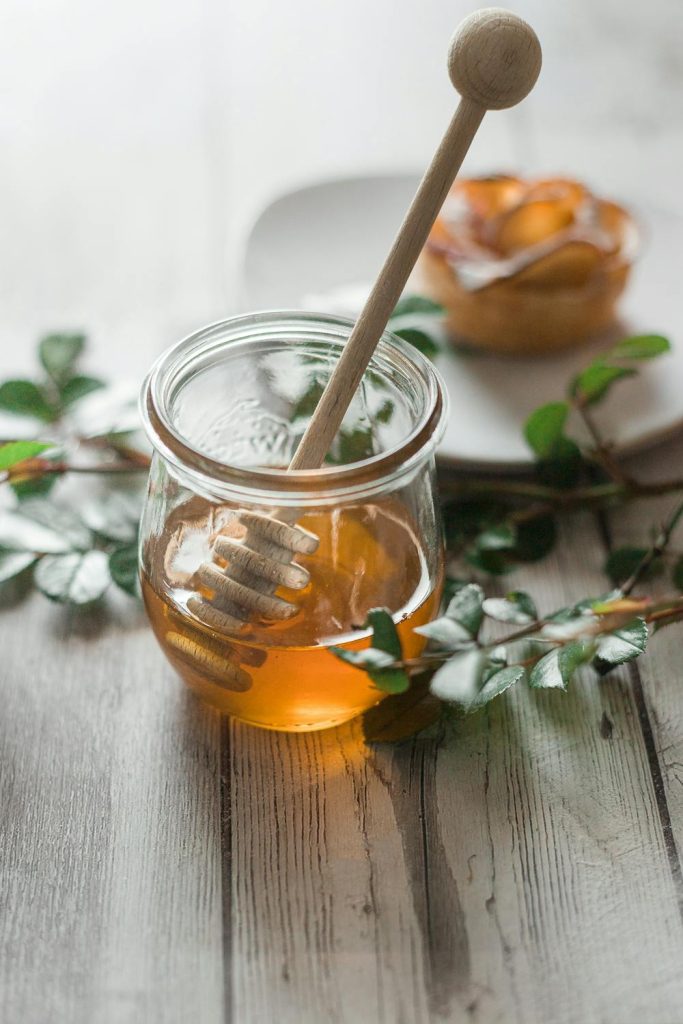
As a beekeeper in the British countryside, I’ve developed a special appreciation for how location shapes honey. But there’s something truly magical about Brockenhurst honey that sets it apart from any other variety I’ve encountered. Nestled in the heart of the New Forest National Park, this picturesque Hampshire village produces some of Britain’s most distinctive and sought-after honey.
What makes Brockenhurst honey so special? It’s a combination of unique flora, ancient landscapes, traditional beekeeping practices, and the distinctive environmental conditions of the New Forest. In this article, I’ll take you on a journey to discover why Brockenhurst honey deserves its reputation as one of Britain’s finest artisanal food products.
The Enchanting Landscape of Brockenhurst
To understand Brockenhurst honey, you must first understand its homeland. The New Forest National Park is one of Britain’s most diverse ecosystems, comprising ancient woodland, open heathland, river valleys, and verdant meadows. Brockenhurst sits at the convergence of these varied landscapes, creating a unique environment for honeybees.
Honeybees can access to such a variety of foraging grounds within just a few miles. A single colony can visit ancient oak woodlands in the morning, heather-covered heathland by midday, and wildflower meadows in the afternoon.
This landscape diversity directly translates to the honey produced here. Unlike monofloral honeys that come from bees feeding predominantly on a single plant species, Brockenhurst honey is truly polyfloral, containing nectar from dozens of different plant species. This creates a complex flavor profile that changes subtly from season to season and even from hive to hive.
The New Forest’s status as a protected national park also means that much of the land remains untouched by modern agricultural practices. My bees forage in areas largely free from pesticides and artificial fertilizers, contributing to the honey’s purity and distinctive character.
Flowers That Shape the Unique Flavor of Brockenhurst Honey
What truly sets Brockenhurst honey apart is the remarkable variety of nectar sources available to local bees. During my years keeping bees here, I’ve observed them visiting plant species that create a unique “fingerprint” for our honey.
Spring
In early spring, the forest floor comes alive with bluebells, creating vast carpets of purple-blue flowers beneath the ancient trees. My bees eagerly visit these, along with the blackthorn blossoms and wild cherry that flower around the same time. Dandelions and early-flowering gorse add bright yellows to the forest palette and distinctive notes to the spring honey harvest.
Spring honey from Brockenhurst tends to be lighter in color with delicate floral notes and a subtle citrus undertone. It crystallizes relatively quickly but maintains a smooth, creamy texture when properly harvested and stored.
Summer
As summer progresses, the diversity of nectar sources reaches its peak. The ancient woodland areas offer lime tree (linden) blossoms, bramble flowers, and wild raspberry. Meanwhile, the forest meadows burst with clover, bird’s-foot trefoil, and various wildflowers.
One of the most special nectar sources in the New Forest is the sweet chestnut, which produces abundant flowers in July. These tall, majestic trees provide a rich source of nectar that adds a distinctive malty note to summer honey.
Summer honey from Brockenhurst typically has a medium amber color with a robust flavor profile that balances sweetness with subtle woody and fruity notes.
Autumn
Perhaps the most prized honey from Brockenhurst comes in late summer and early autumn when the heather blooms across the New Forest heathlands. Bell heather and ling heather create a purple haze across the landscape and provide nectar for a truly distinctive honey.
Heather honey from Brockenhurst has a rich amber color with reddish tints and a remarkable texture. Unlike most honey, it has a naturally gel-like consistency and a distinctive flavor often described as woody, floral, and slightly smoky. It’s high in protein and has a pronounced aftertaste that honey connoisseurs particularly value.
Ivy flowers also provide a late nectar source, adding strength and complexity to autumn honey. This late-season bounty helps the bees prepare for winter and allows careful beekeepers to harvest a final crop with distinctive characteristics.
See more: Best Flowers for Bees: A Beekeeper’s Guide for a Bee-Friendly Garden
The Beekeeping Tradition in Brockenhurst
The unique qualities of Brockenhurst honey aren’t just about location and flora—they’re also about people and tradition. Beekeeping has been practiced in the New Forest for centuries, with written records dating back to medieval times when forest beekeeping rights were carefully regulated.
I learned many of my techniques from Bill, a third-generation Brockenhurst beekeeper who showed me how traditional methods can produce superior honey. Many local beekeepers still practice what might be called “low-intervention” beekeeping, where the emphasis is on bee health and honey quality rather than maximum yield.
Brockenhurst beekeepers typically use traditional wooden hives, often Nationals or WBCs, which are well-suited to the local climate. Many of us still practice heather honey collection using traditional methods, including specialized equipment for extracting the thixotropic (gel-like) honey without damaging its unique properties.
There’s also a strong tradition of mentorship among Brockenhurst beekeepers. The New Forest Beekeepers Association, founded in 1918, continues to share knowledge and preserve local beekeeping practices. When I first arrived in the area, this community welcomed me and taught me the specific techniques needed for successful beekeeping in this unique environment.
This combination of traditional knowledge and careful stewardship contributes significantly to what makes Brockenhurst honey special. While we embrace modern understanding of bee health and disease management, we haven’t abandoned the wisdom accumulated over generations of forest beekeeping.
The Distinctive Flavor Profile of Brockenhurst Honey
If you’ve never tasted Brockenhurst honey, you’re missing one of Britain’s most distinctive gastronomic experiences. The flavor profile is extraordinarily complex and changes throughout the beekeeping season.
When I host tasting sessions for visitors, I always provide samples from different seasons and locations within Brockenhurst. The reactions are fascinating—people often close their eyes and smile as they experience the intensity and complexity of flavors.
Early season honey tends to have light, delicate floral notes with hints of citrus and apple blossom. As the season progresses, the flavor deepens, taking on richer, caramel notes with subtle hints of woodland herbs and fruits. By late summer, when heather is in bloom, the honey develops its most distinctive character—rich, aromatic, and slightly smoky, with a lingering aftertaste.
What makes Brockenhurst honey particularly special is its complexity. Unlike commercial honeys, which often aim for consistency, our honey tells the story of a specific place at a specific time. Each jar captures the essence of the New Forest in a way that’s both delicious and authentically connected to the landscape.
In blind tastings alongside other British honeys, Brockenhurst honey consistently stands out. Professional food critics have described it as having “extraordinary depth” and “a perfect balance of sweetness and complexity.” One food writer memorably described it as “tasting like sunshine filtered through ancient woodland.”
Terroir: The Environmental Impact on Brockenhurst Honey
Wine enthusiasts often speak of “terroir”—the complete environmental context in which grapes are grown. This concept applies perfectly to honey, especially in a place as distinctive as Brockenhurst.
The soil of the New Forest is another key factor in what makes our honey unique. Much of the area has acidic, sandy soils that support distinctive plant communities, particularly the heather and gorse that contribute so significantly to local honey. These soil conditions, formed over thousands of years, create a plant ecosystem found in few other places in Britain.
The local microclimate also plays a crucial role. Brockenhurst sits in a sheltered location with slightly milder temperatures than surrounding areas. We’re also influenced by both coastal and inland weather patterns, creating a unique growing environment for nectar-producing plants.
I’ve noticed how even rainfall patterns affect the honey we produce. Years with early spring rain followed by warm, sunny periods tend to produce the most aromatic honey, as the plants produce more concentrated nectar. The New Forest’s unique drainage patterns, with seasonal streams and bogs, create microhabitats with their own distinctive flora.
Brockenhurst’s relatively isolated location also means less pollution and fewer introduced plant species. This environmental purity is reflected in the clarity and cleanliness of flavors in our honey. When laboratory analysis is performed on Brockenhurst honey, it consistently shows low levels of environmental contaminants compared to honey from more developed areas.
Artisanal Production Methods: Small-Batch Excellence
How we harvest and process honey in Brockenhurst is another crucial factor in its distinctive quality. Most local beekeepers, myself included, operate on a small scale with careful attention to detail at every stage of production.
I typically maintain between 15 and 20 hives, spread across different locations around Brockenhurst. This allows me to capture the subtle variations in honey from different microenvironments within the New Forest while keeping production at a scale where I can maintain strict quality control.
Unlike commercial operations, we harvest honey multiple times throughout the season to capture the distinctive character of different flowering periods. This requires more work but results in more distinctive and varied honey.
Extraction is done carefully, often using traditional equipment. Most Brockenhurst beekeepers, including myself, cold-extract our honey, meaning it’s never heated above the natural temperature of the hive (around 35°C or 95°F). This preserves delicate flavor compounds and enzymes that can be damaged by heat.
Filtration is minimal—just enough to remove wax particles while leaving pollen and the natural properties of the honey intact. We don’t ultra-filter or pasteurize our honey, practices that remove both problems and benefits. This means Brockenhurst honey sometimes crystallizes more readily than commercial varieties, but with a fine, smooth texture that many honey lovers prefer.
Storage and packaging are also done with extraordinary care. Most of us use glass jars rather than plastic, avoiding any risk of chemical leaching. Our small-batch approach means honey is usually jarred within days of harvesting, preserving maximum freshness.
How to Experience Authentic Brockenhurst Honey
If you’re intrigued by what you’ve read and want to experience this special honey for yourself, here’s what you need to know.
True Brockenhurst honey is primarily available locally. You’ll find it at the New Forest Farmers Market, held in Brockenhurst on the fourth Saturday of each month, where several local beekeepers (sometimes including myself) sell their products directly to the public. Local farm shops, including Setley Ridge Farm Shop and The New Forest Butcher, typically stock honey from nearby producers.
Some Brockenhurst beekeepers, myself included, also sell online, though in limited quantities. Look for producers who specifically identify their honey as coming from hives within the New Forest National Park, particularly around Brockenhurst.
How can you tell you’re getting the genuine article? Look for these indicators:
- The label should specify the exact location within the New Forest
- It should include the beekeeper’s name and contact details
- It will typically be sold in glass jars rather than plastic
- The honey will vary in color and consistency depending on the season
- It may crystallize more readily than commercial honey (a sign of quality, not a problem)
- The price will reflect its artisanal nature—typically £8-12 for a 340g (12oz) jar
How should you enjoy Brockenhurst honey?
Once you have your Brockenhurst honey, how should you enjoy it? While it’s delicious simply spread on toast or stirred into tea, there are some pairings that particularly complement its distinctive character.
Spring honey works beautifully with fresh goat cheese or drizzled over Greek yogurt with seasonal berries. Summer honey is perfect with freshly baked scones or used in homemade salad dressings. The robust autumn heather honey makes an exceptional pairing with strong cheeses like mature cheddar or blue Stilton.
In cooking, I recommend using Brockenhurst honey in ways that showcase its flavor rather than hiding it. A simple honey cake or honey ice cream allows its complexity to shine. Local chefs have created signature dishes using our honey, from glazed New Forest venison to honey-infused cocktails at the renowned Pig Hotel.
Conclusion: What Makes Brockenhurst Honey Unique?
What makes Brockenhurst honey unique is ultimately a perfect storm of factors—an exceptional natural environment, centuries of beekeeping tradition, careful small-batch production, and the incredible biodiversity of the New Forest.
As a beekeeper who has worked with hives across Britain, I can say with confidence that there’s nowhere quite like Brockenhurst for honey production. Each jar tells the story of this special place—its ancient trees, purple heather moors, meandering streams, and the generations of people who have tended bees here.
The future of this unique food heritage depends on continued protection of the New Forest environment and support for local beekeepers who maintain traditional practices. By choosing authentic Brockenhurst honey, you’re not just treating yourself to an exceptional gastronomic experience—you’re helping preserve a centuries-old tradition and supporting the conservation of one of Britain’s most precious landscapes.
Next time you’re in the New Forest, I encourage you to seek out this liquid gold and experience for yourself what makes Brockenhurst honey so remarkable. Better yet, visit during different seasons and collect several jars to compare—each will offer a different window into the extraordinary natural world of the New Forest.



Leave a Reply